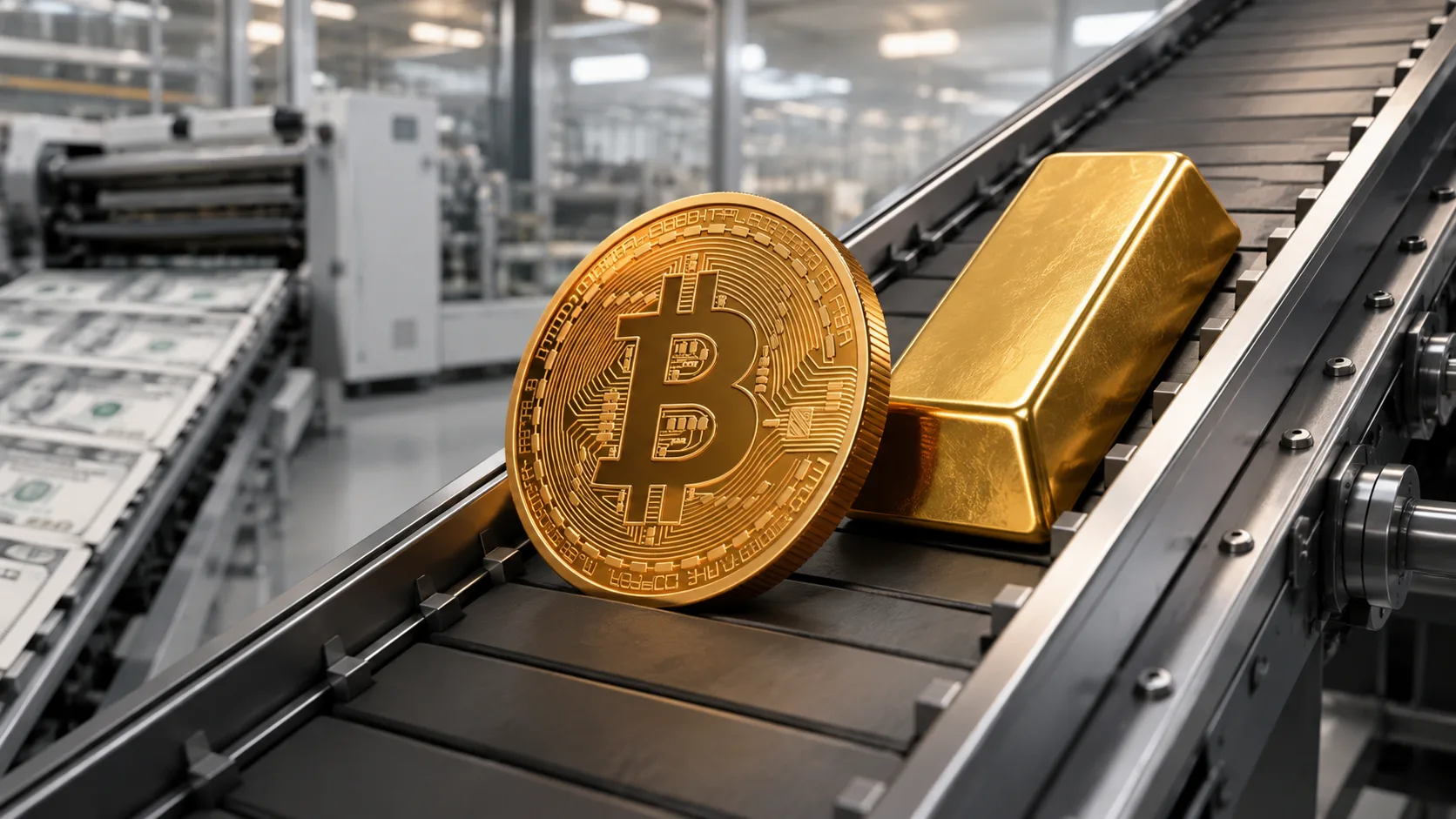
President-elect Donald Trump has proposed a bold new initiative: establishing a national Bitcoin reserve. While some hail the plan as a visionary step to solidify the U.S.’s position in the crypto economy, critics argue it could be a risky move driven by political motives.
A Bold Move in the Crypto Space
At a prominent Bitcoin conference in July, Trump shared his vision of a national Bitcoin reserve, emphasizing its potential to strengthen the U.S. economy and counter global rivals like China. “If we don’t do it, China and others are going to be doing it,” Trump told attendees, urging them to “never sell your Bitcoin.”
The proposal is supported by Sen. Cynthia Lummis (R-Wyo.), a known cryptocurrency advocate, who introduced legislation to establish the reserve. The bill outlines a plan for the government to purchase 1 million Bitcoins—approximately 5% of the global supply—over five years. At current valuations, such a reserve would be worth nearly $100 billion.
Potential Benefits of a Bitcoin Reserve
Proponents argue that creating a strategic Bitcoin reserve could provide financial advantages, such as reducing the national debt without raising taxes. By diversifying U.S. government holdings, they believe the move could also bolster the dollar’s value on the global stage.
Investor enthusiasm for Trump’s newfound crypto-friendly stance has already led to a surge in Bitcoin prices, pushing the cryptocurrency past the $100,000 mark. Crypto-backed Super PACs also played a significant role in Trump’s presidential campaign, contributing millions of dollars and advocating for pro-crypto legislation.
To guide his administration’s cryptocurrency policy, Trump plans to establish a crypto advisory council. Venture capitalist David Sacks has been appointed as the White House AI and crypto czar, tasked with creating a legal framework for the crypto industry.
Criticism from Economists and Financial Experts
Not everyone is on board with the idea of a Bitcoin reserve. Critics like Peter Schiff, CEO of Euro Pacific Precious Metals, warn that purchasing a volatile asset like Bitcoin using tax dollars could jeopardize the economy. Schiff contends that the government would face pressure to continue buying Bitcoin to maintain its value, which could weaken the dollar.
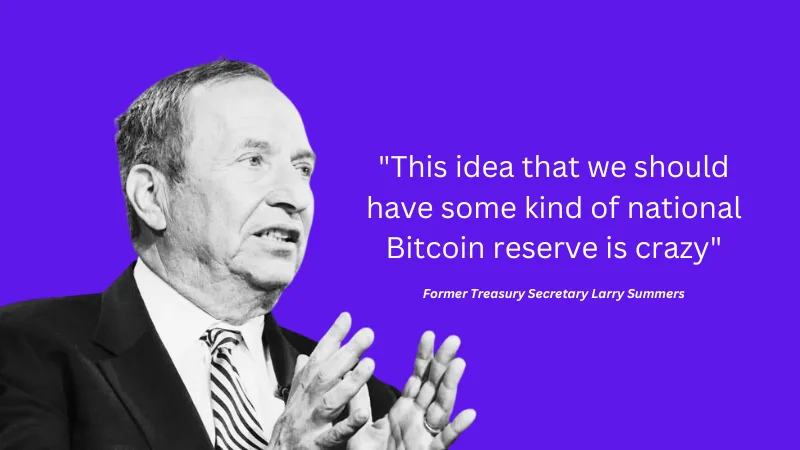
Former Treasury Secretary Larry Summers also voiced skepticism, labeling the plan as impractical and politically motivated. “This idea that we should have some kind of national Bitcoin reserve is crazy,” Summers said during an interview with Bloomberg TV. He argued that unlike gold or oil reserves, Bitcoin lacks tangible utility and described the proposal as “sterile inventory.”
A Risky Gamble or Strategic Vision?
While Trump’s proposed Bitcoin reserve has sparked enthusiasm among cryptocurrency supporters, it has also ignited debate about the role of volatile digital assets in government holdings. As the discussion continues, the broader implications for the economy and the global financial system remain uncertain.
About Author