In a significant, albeit cautiously framed development, China’s Ministry of Commerce confirmed on Friday that Beijing will review and approve export licenses for items under its strict export control regime. In response, the U.S. has agreed to roll back a series of trade restrictions it had imposed on Chinese entities and exports in recent years.
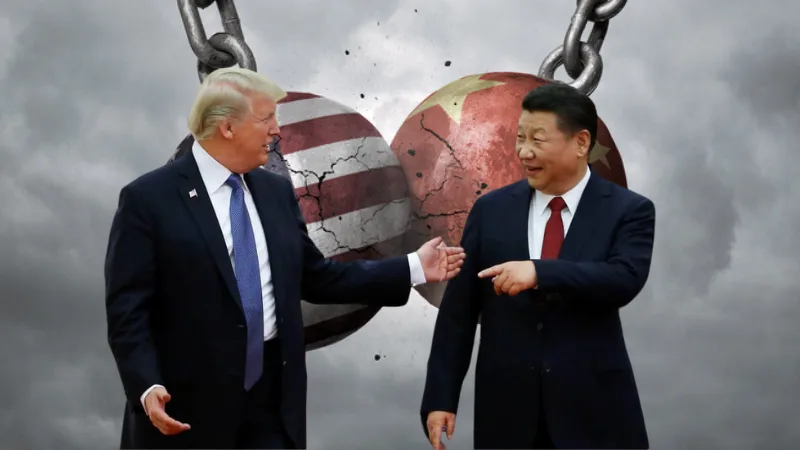
This new understanding follows an announcement by U.S. President Donald Trump at the White House: “We just signed with China yesterday,” he said on Thursday, highlighting a fresh commitment to de-escalate trade tensions. A White House official later clarified that the agreement is an “additional understanding of a framework to implement the Geneva agreement,” referring to a prior consensus reached in Switzerland in May.
The move marks a potential turning point in a trade standoff that has seen both nations wield rare earth minerals, advanced technology components, and visa rules as leverage over each other.
The Latest Breakthrough: What’s on the Table?
According to China’s official statement, the Ministry of Commerce will begin processing and approving licenses for exports that have long been under tight scrutiny—particularly rare earth elements. These minerals are critical for everything from advanced electronics and electric vehicles to military hardware and clean energy technologies.
The statement, however, left investors wanting more detail. Alfredo Montufar-Helu, senior advisor for the China Center at The Conference Board, called the news “encouraging” but stressed that the lack of clarity is worth noting. “There is no concrete breakdown yet on exactly which export restrictions will be lifted, other than magnets,” he explained. This limited scope suggests that China intends to maintain its grip on certain supply chains as a negotiating tool in future rounds of talks.
The recent understanding also aims to ease tech restrictions and student visa curbs that had complicated academic exchanges and supply chain planning for multinational companies on both sides. U.S. tech firms reliant on Chinese students for research, or on Chinese suppliers for critical components, may see a modest reprieve if the easing translates into policy action.
How Did We Get Here? The Backdrop of the Geneva and London Talks
This development isn’t happening in a vacuum. Earlier this year, both nations’ trade delegations met in Geneva, Switzerland, and hammered out a preliminary deal to suspend most tariffs for 90 days—a cooling-off period meant to set the stage for deeper negotiations.
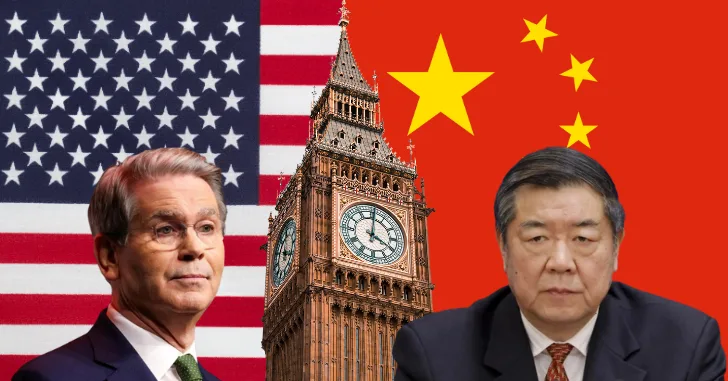
Just weeks later, Treasury Secretary Scott Bessent and Chinese Vice Premier He Lifeng met in London for a follow-up. The London round was especially important for investors, as it signaled a willingness to build on Geneva’s fragile consensus rather than let it unravel into renewed hostilities.
That fragile consensus held despite mounting frustrations: Washington had accused Beijing of foot-dragging on lifting rare earths export restrictions, while Beijing took aim at what it viewed as discriminatory U.S. policies targeting Chinese tech firms and university students.
Why Rare Earths Matter So Much
For years, rare earth minerals have been at the center of U.S.-China trade friction. China controls roughly 60% to 70% of global production of these critical elements, which are vital for semiconductors, green energy infrastructure, defense systems, and consumer electronics.
When relations sour, Beijing has historically tightened the spigot on rare earths, sending shockwaves through global supply chains. For example, supply disruptions can spike prices for neodymium magnets used in wind turbines or electric vehicle motors. Companies like Tesla, Apple, and defense contractors depend on these materials to keep production lines moving.
For investors, any shift in rare earth policy can dramatically impact companies downstream. Mining companies outside China, such as Australia’s Lynas Rare Earths or U.S.-based MP Materials, often see their stock prices move sharply on news of export curbs or expansions. If China genuinely loosens its grip on rare earth exports, global markets could see a temporary easing of supply concerns—but that’s a big if.
Tech Restrictions: Easing or Just Talk?
Another element of the framework is the promise to relax certain U.S. tech restrictions that have hamstrung Chinese companies and research institutions. Over the past five years, the U.S. has blacklisted dozens of Chinese firms, including telecom giant Huawei, on national security grounds. These measures have disrupted the flow of advanced semiconductors and software to Chinese tech leaders, while also creating headaches for American chipmakers like Qualcomm and Intel, which lost major clients.
The latest announcement doesn’t spell out which restrictions will be lifted, if any. And therein lies the catch: until specific licensing changes are published by the U.S. Commerce Department, tech sector investors shouldn’t assume sanctions relief is imminent.
What Investors Should Do Now
If you’re an investor, here’s how to read between the lines and position accordingly:
1. Rare Earth Exposure: Keep a close eye on companies that stand to benefit if supply chains normalize. Non-Chinese rare earth miners—like MP Materials (NYSE: MP) or Lynas Rare Earths (ASX: LYC)—often rally when markets expect Beijing to limit exports. If export restrictions genuinely ease, prices could soften, potentially trimming profit margins for these alternative producers in the medium term.
2. Green Energy Plays: Rare earths are crucial for the green transition. If supply expands, it could help stabilize input costs for EV makers and wind turbine manufacturers, including Tesla (NASDAQ: TSLA) and Siemens Gamesa. Long-term, reliable supply chains make large-scale green energy rollouts more viable—watch clean energy ETFs for related moves.
3. Tech Sector Rebound: Any meaningful rollback of U.S. tech restrictions would be a tailwind for companies exposed to Chinese demand. Chipmakers, cloud providers, and hardware firms could see a bump if exports resume or student visa flows normalize, boosting research capacity and partnerships.
4. Currency and Tariff Watch: The 90-day tariff suspension agreed to back in Geneva remains in play. If both sides stick to it, this could remove some pressure from industries hit hard by tariffs—like agriculture, automotive, and industrial goods. Currency traders should monitor the yuan closely: better trade relations typically strengthen the yuan against the dollar.
“Framework” Is Not a Treaty
Investors should stay realistic. A framework is not a legally binding treaty. As Montufar-Helu pointed out, both nations still view rare earths as “a crucial bargaining chip in future negotiations.” If relations sour again—over Taiwan, cybersecurity, or intellectual property disputes—these concessions could evaporate overnight.
History shows that when Washington and Beijing shake hands on trade, the devil is in the implementation. Investors should watch for concrete policy follow-through, published license lists, and actual enforcement—or the lack thereof.
What’s Next?
Looking ahead, the next milestone is whether the agreed-upon measures survive domestic political pressures. In the U.S., President Trump faces both praise and criticism for striking deals with China during an election cycle. In Beijing, policymakers must balance the benefits of exports with national security concerns over critical technologies.
Another key factor is whether these talks unlock broader cooperation on issues like climate change, currency stability, and supply chain resilience—a wish list for many multinational firms and institutional investors alike.
About Author