Elon Musk is once again in “wartime CEO” mode—putting in seven-day workweeks and sleeping in the office. This extreme move, announced via his X account (formerly Twitter), isn’t just about hustle culture. It’s a signal to employees, investors, and critics that he’s going all-in as Tesla faces major headwinds.
In this article, we’ll unpack:
- Why Musk is re-entering his famously brutal workflow.
- What this means for Tesla’s future and your investments.
- How this leadership style could either ignite a breakthrough or burn out the company from the inside.
What Happened: “Back to 7 Days a Week”
On July 20, 2025, Elon Musk posted:
“Back to working 7 days a week and sleeping in the office if my little kids are away.”
— @elonmusk on X
He also shared a video clip from a past interview where he confessed,
“No one should put these many hours into work… it hurts my brain and my heart.”
This isn’t just nostalgia. Musk is preparing for a pivotal Tesla earnings call and gearing up for a heavy development cycle—especially around autonomous driving and robotaxis.
Why Musk Is Doing This (Again)
Tesla faces a perfect storm of challenges:
- Vehicle delivery declines
Tesla delivered just 384,122 cars in Q2 2025, down 14% YoY. That’s the second consecutive quarterly drop. - Margins under pressure
Higher costs, fierce EV competition (especially from China), and slowing global demand are cutting into profits. - Political distractions
Musk’s recent involvement in President Trump’s administration and other public controversies have diverted attention from Tesla’s product roadmap. - Need to hype next-gen tech
Tesla’s narrative is now all about robotaxis, AI, and autonomy. Musk is doubling down on pushing those initiatives forward personally.
Tesla’s Recent Performance
Let’s take a look at Tesla’s delivery numbers over the last six quarters:
Tesla’s Q2 2025 deliveries barely rebounded from Q1’s sharp drop. Investors are growing concerned about the company’s growth trajectory.
Wartime CEO Mode: Not the First Time
Musk has leaned into this extreme schedule before:
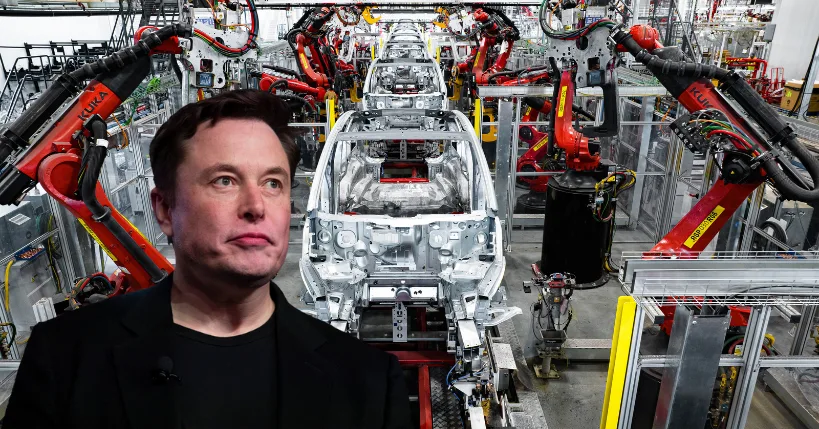
- During the Model 3 production hell, Musk reportedly worked 120 hours per week, slept under his desk, and even showered at the Fremont factory.
- The Twitter (now X) transition saw him impose hardcore return-to-office mandates and purge nearly 80% of the workforce in a matter of weeks.
- The short-lived DOGE government efficiency project involved 100+ hour workweeks, sleep pods, and nonstop internal pressure.
His current behavior mirrors those periods. “Wartime CEO” isn’t a metaphor. It’s how Musk operates during high-stakes inflection points.
The Pros and Cons for Tesla Investors
Here’s what investors should consider:
| Pros | Cons |
|---|---|
| Reaffirms Musk’s hands-on leadership. | Raises concerns about executive burnout. |
| Signals urgency and focus on key product areas. | May foster toxic workplace culture and attrition. |
| Can boost morale among hardcore engineers and loyalists. | Investors may fear overreliance on Musk’s stamina. |
| Supports the robotaxi/autonomy narrative going into earnings. | Short-term optics may mask deeper structural challenges. |
The Burnout Debate
Workplace culture analysts and health experts are raising red flags:
- Studies show that working more than 55 hours per week significantly increases risk of stroke and heart disease (World Health Organization).
- Leaders who sleep in the office normalize unsustainable expectations for teams.
- Musk’s “all in” approach is inspiring—but also linked to high attrition, as seen during his time at X.
So while Wall Street may cheer Musk’s return to overdrive, insiders could start bracing for the cost.
Why It Matters for Investors
This isn’t just about a billionaire’s sleep schedule. Here’s what it means for your portfolio:
1. Tesla’s Q2 Earnings May Set the Tone for H2 2025
Musk’s announcement is perfectly timed. Tesla’s earnings call is July 23, and expectations are mixed. If Tesla misses again, investors will look for forward guidance—and “Musk is back” could become a bullish narrative.
2. Robotaxi Hype Needs Execution
Tesla’s upcoming autonomous vehicle reveal is tentatively planned for Q3. Musk’s high visibility suggests he’s personally driving the timeline. If he delivers, Tesla’s valuation could soar based on AI and platform value.
3. Musk’s Focus = Reassurance
There have been real fears that Musk is distracted by politics, xAI, and X. Re-centering himself on Tesla—even symbolically—could help settle nervous institutional investors.
4. Valuation Still Tied to Growth
Tesla’s stock has always priced in future tech, not just car sales. Musk knows this, and returning to “sleep at factory” mode could help support those lofty valuations.
What to Watch Next
| Date/Event | What to Look For |
|---|---|
| July 23 – Tesla Q2 Earnings | Guidance on margins, production, autonomy timelines |
| August–September – Robotaxi Announcement | Concrete demos, regulatory path, production plans |
| Staffing Trends at Tesla | Voluntary departures or complaints about culture |
| Institutional Moves | Watch if major holders increase or reduce stakes post-earnings |
| Elon’s Visibility | Factory visits, engineering livestreams, and Truth Social posts |
Final Word
Elon Musk throwing himself back into 7-day workweeks is classic Musk—and it’s meant to send a loud message.
To the market, he’s saying:
“I’m focused, I’m in charge, and I’m not going anywhere.”
To the employees, the signal is clearer:
“Buckle up, we’re going full throttle again.”
For investors, the outcome hinges on execution. If Musk’s war-time mindset delivers product breakthroughs and operational efficiencies, the Tesla bull case gets a shot in the arm. But if this becomes another burnout loop without measurable results, the price will be paid—in talent, market share, and shareholder value.
Sources
- Investopedia: Tesla Delivery Decline
- World Health Organization on Long Working Hours
- Full Focus on Burnout
- AInvest: Tesla Roadmap
About Author