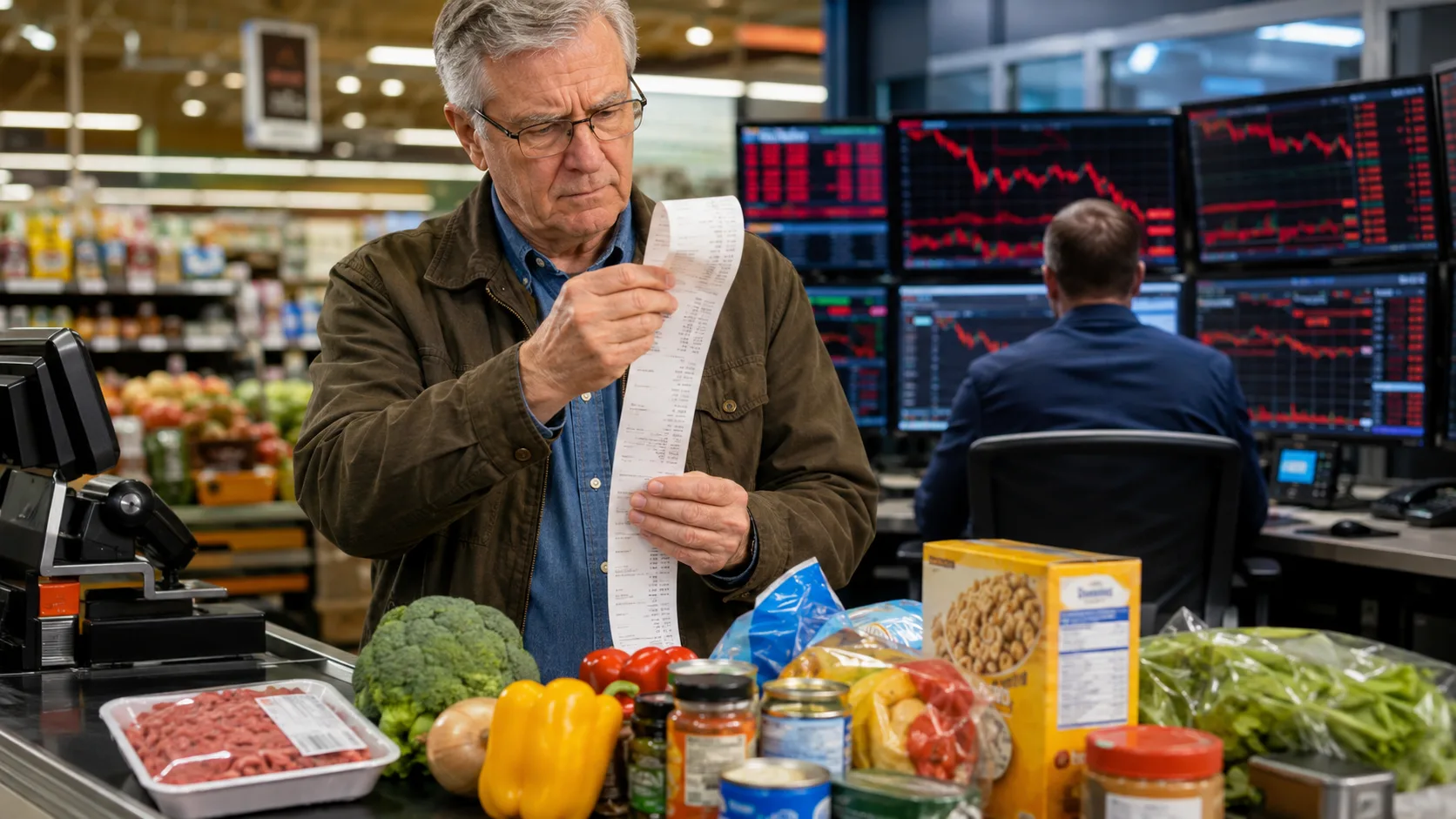
Chicken is no longer just a staple on dinner tables, it’s emerging as one of the most consequential trends in the U.S. protein and food sectors. Price shifts, supply constraints, changing consumer preferences, and beef’s own headwinds are all collaborating to give poultry producers and related restaurant chains a tailwind. For investors, this isn’t just about watching commodity cycles; it’s about spotting durable shifts that affect margins, cash flow, and long-term positioning.
Chicken’s Growing Share: Numbers & Trends
Here are the key data points showing why chicken is riding high in 2025:
| Metric | Value / Change | Source |
|---|---|---|
| Per-capita availability of broiler meat | ~102.7 lbs/person in 2025, projected also ~102.8 lbs in 2026 | USDA / ERS Economic Research Service |
| Per-capita availability of beef | ~58.5 lbs in 2025, decreasing to ~56.9 lbs in 2026 (projected) | USDA / ERS Economic Research Service |
| Chicken prices (poultry) | Up ~3.1% year-over-year as of July 2025 | USDA / ERS Food Price Outlook Economic Research Service |
| Wholesale chicken breast price | ~$2.75/lb vs ~$1.75/lb same time last year | National Hog Farmer National Hog Farmer |
| Pilgrim’s Pride Q2 2025 operating income | $512.3 million | Pilgrim’s Pride earnings release ir.pilgrims.com |
| Tyson Foods chicken segment expectations, fiscal 2025 | $1.3–$1.4 billion in adjusted operating income; revenue forecast raised to +2-3% | Reuters Reuters |
These metrics tell a story: U.S. consumers are eating more chicken than ever, beef is becoming relatively scarcer (and more expensive), and poultry producers are benefiting—but not without risk.
What’s Behind the Trend?
Several interlocking forces are pushing chicken’s rise:
- Cost Disparity with Beef
Beef prices are being driven up by shrinking cattle herds, droughts, higher feed costs, and supply chain constraints. These inflationary pressures are making beef far less accessible, nudging consumers toward cheaper proteins. Chicken is becoming the fallback choice—but one that’s also seeing its own cost pressures. - Strong Consumer Demand
Dietary trends emphasizing high protein (whether for fitness, weight management, or health) are helping. Also, inflation makes consumers more price-sensitive; chicken appears to offer a better value per protein gram. Restaurants and retail are adapting by offering more chicken items. - Production Constraints & Supply Risks
- Broiler capacity is near max in many regions, which limits how fast supply can expand.
- There’s lingering risk from disease (e.g. bird flu) affecting both supply and cost.
- Environmental, regulatory, and community resistance issues make building new slaughterhouses or hatcheries difficult.
- Feed costs, while easing in some cases, remain volatile and a key lever.
- Margin Expansion in Processing & Value-added Products
Fully cooked, prepared, flavored chicken items (nuggets, wings, sandwiches, etc.) offer higher margins than raw or less processed cuts. Tyson and Pilgrim’s Pride are investing in such lines. Tyson’s chicken segment is expected to earn $1.3–$1.4B in adjusted operating income in FY2025 thanks in part to these value-added lines. - Broader Protein Market Dynamics
As beef becomes more constrained, pork struggles with its own challenges, and turkey/turkey availability continues to slide, chicken is the protein with both consumer acceptance and capacity (though stretched) to scale.
Why It Matters for Investors
This isn’t just a supply-chain or commodities story—it has multiple implications for portfolio strategy.
- Profit Margins & Earnings: Poultry producers with powerful vertical integration (hatchery → slaughter → processing → value-added) are seeing earnings surge. Tyson’s raising forecasts and Pilgrim’s Pride posted a strong operating income in its recent quarter. Margin expansion is real.
- Valuation & Expectations Are High: Some of this good news may already be priced in, especially for pure chicken plays or stocks heavily exposed to poultry. If supply outpaces demand or feed costs spike, these stocks are vulnerable.
- Cost Inflation Risk: Even in poultry, input costs (feed, energy, transport) remain a wildcard. If those rise rapidly, they can eat into margin gains.
- Seasonality & Oversupply Risks: Chicken demand tends to soften in colder months (fall/winter), offset somewhat by holiday demand but more dominated by turkey/ham. Producers often cut production around mid-September to protect margins. If supply adjustments lag, there’s risk of margin compression. (Plus price declines already being observed in some chicken segments.)
- Regulatory, Animal Health, & ESG Risk: Bird flu, community pushback on facility expansions, labor regulations, environmental constraints—each can introduce unexpected costs or delays. Also, consumers are more focused on welfare, sustainability, and traceability, which can impose additional costs.
- Diversification Across the Protein Spectrum: Stocks or funds that concentrate only on poultry may benefit in the short to medium term but could suffer if macro conditions shift. Having exposure to processed/ready-to-eat brands, alternative proteins, or even upstream (feed / logistics) could hedge risk.
What to Watch
To stay ahead, here are indicators and metrics investors should monitor:
| Signal | Why It’s Important | Leading Data Sources |
|---|---|---|
| Hatchery & slaughter capacity utilization | If capacity bottlenecks bind, cost pressures persist and growth is limited | USDA / producer reports; industry trade journals |
| Broiler & feed prices | Feed (corn, soy) are among the biggest inputs; wholesale prices of breast, thigh, wings indicate margin pressure or easing | USDA, ERS; National Hog Farmer; private poultry-industry reports |
| Beef herd size, cattle inventory, red meat availability | Beef headwinds often force substitution; if beef supply loosens, chicken’s relative advantage could diminish | USDA cattle reports; livestock sector outlooks |
| Consumer demand trends (restaurants, retail, protein diets) | Shifts from dining out vs home cooking, health trends, pricing sensitivity matter | Retail scan data; consumer surveys; restaurant same-store sales |
| Seasonal demand curves and inventory build-ups | Oversupply risk tends to show up ahead of downturns; inventories unsold are a signal of future price pressure | USDA inventory reports; cold storage data; company commentary in earnings calls |
| ESG / disease risk (bird flu, animal welfare, environmental regulation) | Disruptions or regulatory costs can hit margins unexpectedly | Government / agricultural dept updates; news monitoring; company disclosures |
Who Looks Best Positioned and Who Is More Vulnerable
Based on current data, here is how different players stack up:
| Type of Player | Likely Beneficiaries | Vulnerable Players / Exposure |
|---|---|---|
| Pure poultry producers with strong value-added operations (processed foods, branded products) | High margins, better pricing leverage, capitalizing on strong demand and beef’s headwinds. Example: Tyson (chicken segment), Pilgrim’s Pride. | Producers focused on low-margin raw cuts, commodity poultry exports, or who lack supply chain scale. |
| Restaurant & fast food chains leaning into chicken menus | Can benefit if consumers favor chicken over beef; less price sensitivity than raw goods; faster menu adaptation possible. | Restaurants with high exposure to beef, or those unable to pass cost increases through; chains struggling with wage, rent, and inflation pressures. |
| Suppliers of feed, transportation, cold storage | Will benefit from volume growth; feed suppliers might face volatility but overall increased demand. | Logistics players with high energy costs; suppliers exposed to regulatory or environmental constraints. |
| Diversified meat producers | Ability to offset beef losses with chicken gains, smooth seasonal variances. | Companies with high fixed costs, high debt; those whose beef or pork segments drag overall performance. |
What Could Spoil the Feast
To avoid being blindsided, investors need to keep an eye on possible downside scenarios:
- Feed cost shocks: Droughts, global crop disruptions, rising fertilizer prices—any big move in corn or soy could erode margins.
- Disease outbreaks: Bird flu remains a recurring risk. Even localized outbreaks can force cullings, tightening supply and increasing costs.
- Regulatory / Community Pushback: New plant construction is often delayed by zoning, environmental reviews, local resistance. These delays raise capital costs.
- Consumer pushback on protein pricing: If chicken becomes too expensive (especially processed chicken, which has rising input and labor costs), consumers may downshift or substitute with plant-based proteins or cheaper cuts.
- Beef recovery: If beef herd sizes rebuild and beef prices come down, some reversal could occur in protein substitution trends.
- Macroeconomic Weakness: Inflation, interest rate increases, or a recession could reduce consumer spending power or shift demand away from “premium / processed chicken” towards cheaper proteins or lower-cost meals.
Takeaways & Action Items for Investors
Here are some actionable moves or thought frameworks:
- Lean into poultry exposure, particularly companies with strong value-added lines and efficient supply chains. The recent earnings from Tyson and Pilgrim’s Pride suggest good upside.
- Don’t ignore input cost hedging strategies. Where possible, companies that have locked in feed prices or diversified suppliers will likely outperform.
- Watch for margin compression, especially as wholesale chicken prices soften (breast meat, tenders) and demand shifts seasonally. Be cautious about overpaying for growth without margin visibility.
- Focus on diversified protein players instead of pure plays, to balance risk from beef or pork segments.
- Track regulatory/disease risk as leading indicators, not just “noise”. Even small outbreaks or facility delays can ripple through cost structures.
- Valuation discipline is key—some of the favorable trends may be priced in. Seek companies with clean balance sheets, good cash flow, and realistic forward guidance.
Conclusion
Chicken isn’t just the next trend; as of mid-2025, it’s becoming a central pivot point in U.S. protein economics. Lower beef supplies, rising consumer demand for protein (and value), and shifting dietary preferences are making poultry producers and chicken-centric restaurant chains much more than sidelines players—they’re now among the high-potential areas in food-related investing.
But we’re not in a risk-free zone. Input cost fluctuation, disease, supply capacity limits, and seasonality create real hazards. For savvy investors, the opportunity lies in distinguishing between those who can ride the currents (value-added, scale, efficient operations) versus those who might get tossed by the undertow (commodity exposure, high input leverage, weak differentiation).
If I were positioning now, I’d favor well-run producers with diversified portfolios (raw, processed, retail), companies with strong R&D/innovation in prepared chicken, and restaurant chains nimble enough to capitalize on consumer shifts. And I’d keep an eye on feed prices, disease risk, and beef’s recovery—they’re likely to be early warning signals for when the chicken party might cool down.
About Author