Elon Musk’s comments came hours after the European Commission hit X, the social platform he owns, with a 120 million euro fine under the bloc’s Digital Services Act. The penalty is the largest enforcement action to date under the EU’s sweeping tech regulation law, and the response from Musk has elevated the controversy far beyond a dispute over blue checkmarks.
Musk is not simply venting online. His outburst signals a growing confrontation between the world’s most powerful tech executives and the world’s most aggressive regulatory bloc. If this fight escalates or sets a precedent, the consequences will ripple through megacap tech, digital advertising markets, bitcoin adoption, and cross border regulatory regimes that American companies increasingly depend on.
What Triggered Musk’s Outburst
The European Commission fined X roughly 140 million dollars after determining the company violated multiple transparency and consumer protection rules. Regulators said X misled users with its paid verification program, failed to provide accurate data on political advertising, and restricted researcher access that is required under the Digital Services Act.
The DSA gives the European Union unprecedented power over how platforms operate inside its borders. Companies that fail to comply can face fines of up to six percent of global revenue, forced algorithmic audits, or even temporary access bans in extreme cases.
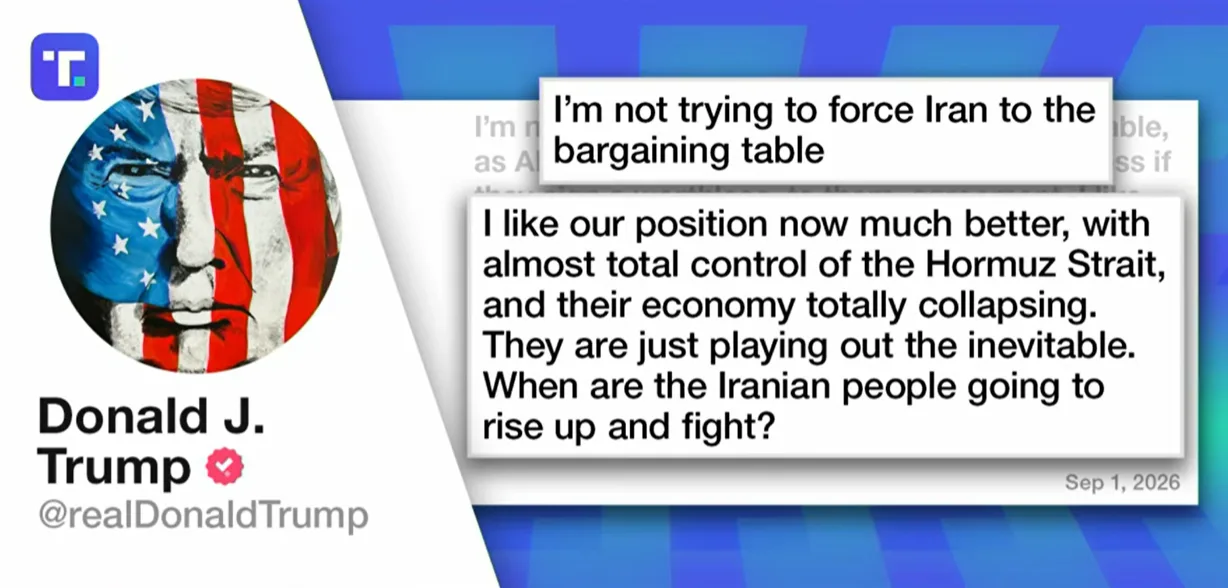
Hours after the fine was public, Musk posted:
“The EU should be abolished and sovereignty returned to individual countries, so that governments can better represent their people.”
He later asked his followers how long they thought the EU would exist and used the hashtag AbolishTheEU. Within minutes this turned into a global political flashpoint.
Why Musk Sees the EU as a Direct Threat
Inside X, executives have viewed the DSA as an existential challenge for months. Company insiders say:
• The compliance obligations are resource intensive for a firm that is already cutting costs
• Algorithmic transparency rules threaten the competitive structure of X’s feed ranking systems
• Paid verification has been a core revenue strategy and the EU has directly targeted it
• Researchers accessing platform data could expose sensitive internal operations
Musk also sees the EU’s regulatory muscle as a global blueprint that other countries may adopt. If X complies in Europe, it may have to comply everywhere, which would undermine Musk’s stated mission of promoting maximal free speech and minimal platform moderation.
The EU is effectively trying to define the rules for the internet. Musk is trying to prevent a world where Brussels decides how his businesses operate.
Europe Pushes Back Hard
European leaders wasted no time responding to Musk. Officials reiterated that the EU does not need permission from tech executives to regulate digital markets and that DSA enforcement will continue regardless of political blowback.
Several commissioners stressed that this fine is only the beginning. If X fails to make the required compliance changes, the next round of penalties could be significantly larger.
The European Union frames this as a consumer safety and disinformation issue. Musk frames it as a sovereignty and free speech fight. Both sides believe they are defending core principles. That is why this conflict is not going away.
Why Investors Should Care
This confrontation is not noise. It directly affects the valuation dynamics of some of the most important companies in global markets.
1. If X refuses to comply, a ban inside the EU becomes a real possibility
A ban would set a brutal precedent for American tech firms. The EU is the second largest digital economy in the world. Losing access hurts revenue and long term growth. More importantly, it shows that Brussels is willing to force companies out if they resist regulation.
2. Other tech giants are watching closely
Apple, Meta, Amazon, TikTok, Microsoft, and Google all operate under the same DSA framework.
If Musk manages to delay or dilute enforcement through political pressure, others may follow the same playbook. If Musk loses decisively, it solidifies the EU’s power to dictate global regulatory norms.
Either outcome affects the operating environment for megacap tech, which drives a significant portion of the S&P 500’s earnings growth.
3. The advertising market is now under scrutiny
X has been trying to rebuild its advertising base. The EU could force additional disclosures on ad targeting, political content, and algorithmic ranking. This increases compliance costs and reduces operating flexibility. It also encourages advertisers to shift budgets toward platforms that face less regulatory volatility.
4. Bitcoin and crypto may become collateral damage
Musk is one of the most influential voices in crypto adoption. If Europe escalates its actions against X, it could strain EU relations with pro crypto American policymakers and US tech leaders.
Regulators who view crypto as tied to platform manipulation or political messaging may push for tighter controls, especially if Musk continues to politicize the issue.
5. Markets hate unpredictable regulatory risks
Investors can price normal fines. Investors cannot easily price a scenario where a major social platform refuses to comply with a transnational government and the government considers removing the platform entirely.
This could inject a new layer of volatility into tech valuations in 2025.
The Geopolitical Fallout
Musk’s comments were amplified by foreign political figures, including former Russian president Dmitry Medvedev, who echoed his criticism of the EU. That immediately elevated the rhetoric from a tech dispute to a geopolitical one.
In the United States, several lawmakers criticized Brussels for targeting American companies and applauded Musk for pushing back. Others warned that this level of rhetoric risks destabilizing relations with key trade partners.
The Biden Harris administration previously defended the DSA as a consumer protection model. The Trump administration has been far more skeptical of EU regulatory power, which may create a political foundation for challenging Brussels in future negotiations.
This battle is no longer between one man and one bloc. It has become an ideological fight over who controls digital sovereignty in the twenty first century.
About Author