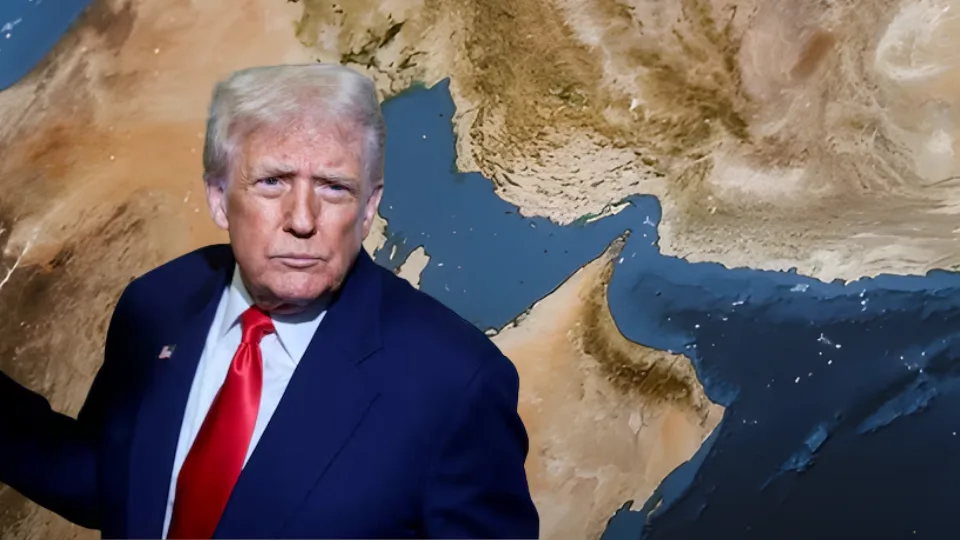
The United States is preparing to block maritime traffic through the Strait of Hormuz after high-stakes negotiations with Iran collapsed. The move, if executed, would directly threaten one of the most critical oil chokepoints in the world and could send shockwaves through global markets.
At the same time, Iran appears to be preparing for a potential military confrontation. State media reports indicate that Iranian naval special forces have been deployed to the country’s southern coastline, reinforcing defenses near the Strait and signaling readiness for escalation.
Talks Collapse After 21 Hours of Negotiations
Vice President JD Vance, who led the U.S. delegation during the negotiations in Pakistan, confirmed that discussions between Washington and Tehran ultimately failed after nearly a full day of talks.
According to Vance, the primary sticking point was Iran’s continued pursuit of nuclear capabilities. U.S. officials pushed for significant concessions, but Iranian leadership refused to back down.
Iran’s negotiators pushed back hard, accusing the United States of making unrealistic demands and failing to build trust. State-controlled media in Tehran echoed that message, placing blame squarely on Washington for the breakdown.
With both sides digging in, there are currently no additional talks scheduled.
That leaves diplomacy effectively stalled and raises the probability of direct confrontation.
Trump Signals Aggressive Naval Strategy
Following the failed talks, President Trump made it clear that the U.S. is prepared to take decisive action.
He stated that the U.S. Navy would begin blockading “any and all ships trying to enter or leave the Strait of Hormuz,” a move that would effectively choke off a vital artery of global trade.
The Strait of Hormuz is not just another shipping lane. Roughly 20% of the world’s oil supply flows through this narrow passage. Any disruption there has immediate consequences for energy prices and global economic stability.
Even the threat of a blockade can drive oil prices sharply higher.
Trump also appeared to downplay the importance of the negotiations themselves, saying:
“Whether we make a deal or not makes no difference to me. And the reason is because we’ve won.”
That statement suggests the administration may be shifting away from diplomacy and toward a strategy centered on pressure and control of key strategic assets.
Iran Prepares for Potential Conflict
Reports from Iranian state media indicate that naval special forces have been deployed to the southern coast, near the Strait of Hormuz. This area is strategically critical, as it gives Iran the ability to disrupt or control maritime traffic using asymmetric tactics.
Even after suffering significant losses to its conventional navy in past confrontations, Iran retains a powerful advantage in the region through its Revolutionary Guard naval units.
These forces rely on fast attack boats, mines, and swarm tactics designed specifically to overwhelm larger naval fleets in confined waterways like the Strait.
That means even a limited conflict could quickly escalate into a broader disruption of shipping.
Market Implications: What Investors Should Watch
This situation has the potential to ripple across nearly every major asset class.
1. Oil Prices Could Surge Fast
Any credible threat to the Strait of Hormuz typically sends oil markets into panic mode. Traders price in supply risk immediately.
If a blockade is enforced or conflict breaks out, crude oil could spike sharply, potentially revisiting or exceeding previous highs.
Energy stocks, particularly U.S.-based producers and defense-linked energy infrastructure companies, could benefit in the short term.
2. Inflation Could Reignite
Higher oil prices feed directly into inflation.
That creates a second-order effect where central banks may be forced to keep interest rates higher for longer, even if economic growth slows.
For investors, that’s a double hit:
- Higher costs across the economy
- Pressure on growth stocks and rate-sensitive sectors
3. Defense Stocks Likely Gain Attention
Escalating military tensions tend to drive capital into defense contractors.
Companies involved in naval systems, missile defense, and logistics support could see increased investor interest as governments ramp up readiness.
4. Safe-Haven Assets May Rally
Gold and the U.S. dollar historically perform well during geopolitical crises.
If tensions escalate further, expect capital to rotate into:
- Gold
- U.S. Treasuries
- Defensive sectors
5. Shipping and Global Trade at Risk
A disruption in the Strait of Hormuz doesn’t just affect oil.
It impacts global shipping routes, insurance costs, and supply chains.
That can create knock-on effects across industries, from manufacturing to consumer goods.
About Author