Wall Street spent the last several years building portfolios around algorithms, semiconductors, and artificial intelligence infrastructure. Investors poured trillions into companies tied to cloud computing, AI acceleration, and digital productivity while largely abandoning one of the most strategically important sectors in the global economy.
Energy.
That imbalance is now colliding with reality.
Veteran wealth manager Ted Oakley believes investors remain dangerously underexposed to energy despite mounting geopolitical instability, tightening global supply conditions, and years of chronic underinvestment. His warning arrives at a moment when oil prices remain elevated, tensions around the Strait of Hormuz continue disrupting markets, and the AI revolution itself is quietly increasing long-term energy demand across the global economy.
Most investors still see this as a temporary commodity story.
It may actually be the beginning of a much larger capital rotation.
The deeper issue is not simply whether oil rises another 10% or 20%. The real issue is whether markets fundamentally mispriced physical infrastructure during the era of cheap capital, globalization, and technology dominance. If that thesis proves correct, energy may stop behaving like a cyclical trade and start acting like a strategic scarcity asset.
That possibility could reshape portfolio construction for years.
Silicon Valley Became The Entire Market
Technology’s dominance over financial markets has reached historic levels.
The S&P 500’s information technology sector now commands roughly 37% of the index, while energy has shrunk to around 3.5%. Five years ago, energy’s weighting was roughly double today’s level. The shift reflected more than simple market performance. It reflected a psychological transformation in how investors viewed the future economy.
Technology became synonymous with innovation, scalability, and growth.
Energy became associated with volatility, political pressure, and old-economy stagnation.
Institutional money steadily moved away from oil and gas. ESG mandates accelerated the trend. Pension funds reduced exposure. Younger investors often avoided the sector entirely. Capital spending across exploration and production weakened while public market valuations compressed.
Yet the world never stopped consuming energy.
Demand kept rising while investment into future supply slowed.
That contradiction sat quietly beneath the surface during years of stable geopolitics and low inflation. Now the environment has changed dramatically. The combination of Middle East instability, reshoring efforts, rising electricity demand, and AI infrastructure expansion is exposing how fragile the global energy system may actually be.
Oakley believes Wall Street still does not fully appreciate the scale of the shift underway.
“And I think what people miss about that is these companies were so cheap relative to what you could make out of them that it didn’t make any difference what oil did,” he said. “Oil could stay at $70 or it could be at $80 and you would be OK.”
That observation cuts to the core of the opportunity.
Many energy firms were priced as though their future barely mattered despite generating enormous cash flow and controlling strategically critical infrastructure.
The Strait Of Hormuz Is Becoming A Market Signal
Most investors continue treating Middle East disruptions as temporary headlines.
Markets may eventually realize they represent something much larger.
The Strait of Hormuz remains one of the world’s most critical energy chokepoints. Extended instability in the region affects shipping insurance, military positioning, transport costs, and global supply-chain assumptions. Even when oil prices temporarily retreat, the underlying risk premium inside the system can remain elevated for years.
That matters because markets spent decades operating under assumptions of relative energy stability.
Those assumptions are weakening.
Oakley argued that investors are underestimating how long normalization may take after the Iran conflict and broader regional disruptions. “Once they realize that in the next three or six months, you get another leg up on oil because they’ll finally figure out that hey, maybe the Straits will never go back like they were.”
That statement carries enormous implications.
Once governments and corporations lose confidence in logistical reliability, behavior changes. Countries prioritize domestic production. Strategic reserves become more important. Alternative shipping routes gain value. Energy independence transforms from political rhetoric into economic necessity.
The result is a gradual repricing of hard assets tied to production, transportation, and energy security.
That process rarely happens overnight.
The AI Revolution Is Quietly Strengthening The Energy Trade
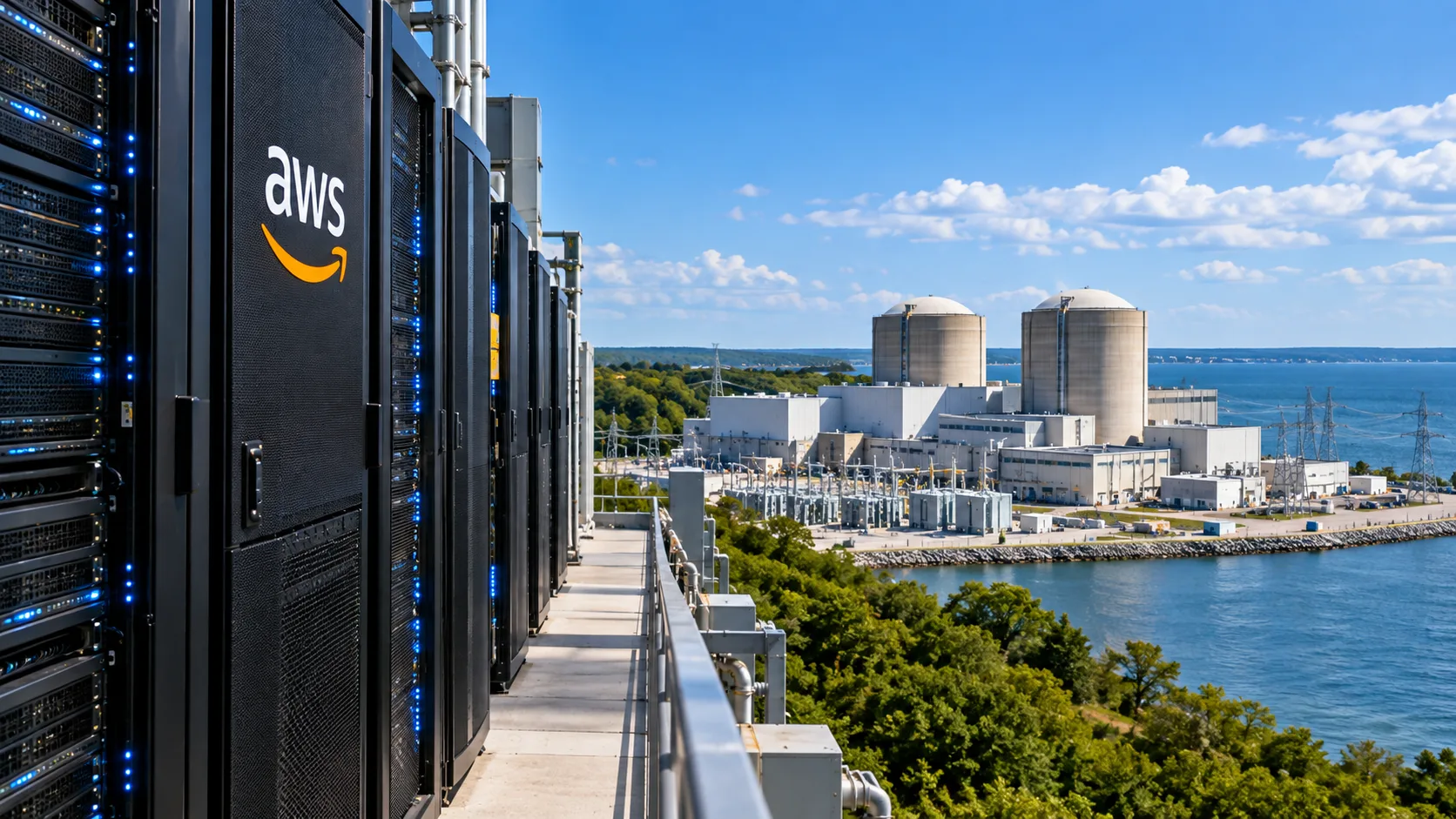
One of the most overlooked dynamics in the current market is that artificial intelligence itself may become a massive long-term tailwind for energy demand.
Every major AI breakthrough requires extraordinary computing infrastructure. Massive data centers consume staggering amounts of electricity. Semiconductor fabrication facilities require enormous industrial power loads. Cloud infrastructure expansion depends on reliable energy supply at scale.
The AI economy is becoming deeply tied to the physical energy economy.
That creates a contradiction many investors still have not fully processed.
Markets currently treat AI and energy like separate themes competing for capital.
They may actually become complementary trades.
The more the global economy leans into AI infrastructure, the more pressure it places on electricity grids, natural gas demand, industrial construction, and resource extraction. Utilities alone may struggle to absorb the surge in future power consumption without major investment into generation capacity and transport infrastructure.
This changes the investment framework completely.
The energy sector no longer depends solely on transportation demand or traditional industrial growth. It increasingly sits at the center of the digital economy itself.
That may ultimately become one of the most bullish developments for long-duration energy demand in decades.
What Wall Street Keeps Missing About Energy Stocks
The typical investor still thinks about energy companies through the lens of old commodity cycles. That framework may no longer fit the reality developing underneath the surface. This is no longer purely about betting on higher oil prices. It is about ownership of critical infrastructure inside a more unstable global system.
Pipeline companies become strategically important when transport reliability matters more. Domestic producers become politically valuable when nations prioritize energy independence. Drillers regain leverage when global spare capacity tightens. Integrated oil majors begin resembling inflation-resistant cash machines capable of generating enormous shareholder returns even during periods of economic uncertainty.
Meanwhile, many of these firms still trade at valuations far below the broader market despite generating substantial free cash flow. That disconnect sits at the center of Oakley’s thesis. Wall Street spent years rewarding revenue growth above everything else while largely ignoring sectors producing real-world cash flow tied to essential infrastructure.
Oakley emphasized that Oxbow owns “the whole gamut” across the sector because the opportunity stretches across the entire supply chain. The strategy is not built around one oil price prediction. It is built around the idea that physical scarcity and geopolitical instability are forcing markets to revalue energy infrastructure after years of neglect.
Here are the major energy positions Oakley specifically highlighted and why they matter:
- AR
Oakley described the company as “a cheap company relative to what they’re going to make in the next two years.” The natural gas and oil producer gives investors exposure to rising domestic energy demand, LNG expansion, and tightening natural gas markets tied to electricity demand growth. - XOM
Exxon remains one of the most strategically important integrated oil companies in the world. The company combines upstream production, refining, chemical operations, and global infrastructure with aggressive buybacks and dividend support. - CVX
Chevron offers similar exposure to long-duration oil and gas demand while maintaining one of the strongest balance sheets in the energy sector. In an environment where energy security becomes politically critical, scale matters. - MTDR
Oakley called Matador “a great small oil-and-gas company that we think has a lot of potential.” Smaller exploration and production companies often benefit disproportionately during tightening supply cycles because operational growth can accelerate quickly when pricing strengthens. - EPD
Enterprise Products Partners represents the infrastructure side of the thesis. Pipeline and storage operators become increasingly valuable when transporting reliable energy supply becomes strategically important. The company also appeals to income-focused investors due to its sizable distributions. - ET
Energy Transfer provides broad exposure to U.S. energy transportation infrastructure. As LNG exports, natural gas flows, and domestic transport demand rise, midstream operators could quietly become some of the biggest winners of the cycle. - MPLX
MPLX continues the midstream theme with a focus on stable cash flow generation and investor payouts. In volatile markets, businesses generating consistent income tied to infrastructure usage can attract institutional capital quickly. - RIG
Offshore driller Transocean gives exposure to one of the more aggressive parts of the energy thesis. If global supply shortages persist and countries push harder for production growth, offshore drilling demand could strengthen substantially after years of weakness. - NE
Noble Corp. combines offshore drilling exposure with shareholder income. Oakley specifically noted the company “pays a nice little 4% dividend,” which becomes more attractive in an environment where investors increasingly prioritize cash generation and hard assets.
Taken together, these positions reflect something larger than a standard oil trade. Oakley is positioning around a full-system repricing of the energy economy, from extraction and transportation to infrastructure and distribution. That distinction matters because investors still treating energy like a short-term geopolitical trade may underestimate how long this cycle could ultimately last.
The “Scarcity Loop” Investors Should Understand
The current environment appears to be creating a reinforcing cycle that many portfolio managers remain underprepared for.
The first phase involved years of capital starvation across the energy industry. Institutional money avoided the sector while exploration budgets weakened and infrastructure expansion slowed. Supply elasticity deteriorated quietly in the background.
The second phase involved simultaneous demand acceleration. AI infrastructure, reshoring efforts, defense spending growth, LNG exports, and industrial expansion all increased pressure on the global energy system at once.
The third phase arrived through geopolitical instability. Middle East conflict, sanctions, shipping disruptions, and trade fragmentation exposed how fragile the system had become after years of underinvestment.
Now markets may be entering the fourth phase: asset repricing.
This is where energy firms begin receiving higher valuation multiples because investors realize physical scarcity cannot be solved quickly. Infrastructure assets regain strategic value. Dividend-heavy energy firms attract institutional capital seeking inflation protection and cash flow stability.
That is the framework investors should focus on.
Not simply oil prices.
The entire structure of global energy security.
Elevated Rates Could Quietly Favor Energy
Another major factor working in energy’s favor involves interest rates.
Higher rates typically pressure long-duration growth assets because future earnings become less valuable when discounted back to the present. Many technology firms remain heavily dependent on expectations of future growth.
Energy companies operate differently.
They generate substantial current cash flow. Pipeline operators distribute income immediately. Integrated oil companies aggressively repurchase shares while paying sizable dividends. Commodity producers can directly benefit from inflationary environments.
That dynamic becomes increasingly important if inflation remains sticky due to energy costs, reshoring efforts, or supply-chain instability.
The Federal Reserve may ultimately find itself trapped between slowing growth and persistent inflationary pressure tied to commodities and geopolitics. In that environment, hard assets and cash-flow-heavy sectors often outperform highly valued growth stocks dependent on falling interest rates.
Many investors still appear positioned for the opposite outcome.
The Contrarian Trade May Actually Be The Safer Trade
One of the biggest misconceptions in investing is that crowded trades automatically become safer trades.
Technology’s dominance became so overwhelming that many investors stopped asking basic portfolio-balance questions. What happens if geopolitical instability persists longer than expected? What happens if electricity demand explodes because of AI infrastructure? What happens if inflation proves more durable than markets anticipate?
Those questions matter far more today than they did three years ago.
Oakley’s warning ultimately reflects a deeper market transition. Investors spent years rewarding digital scalability while overlooking industries tied to physical extraction, transportation, refining, and infrastructure.
Now the physical economy may be reasserting itself.
That shift could last much longer than investors currently expect.
The Signals That Could Confirm This Thesis
Several developments could determine whether energy truly enters a prolonged leadership cycle.
First, investors should closely monitor the Strait of Hormuz and broader Middle East tensions. Persistent instability could permanently alter shipping patterns and energy-security assumptions.
Second, watch capital discipline among producers. If energy companies continue prioritizing shareholder returns over aggressive oversupply, tighter market conditions may remain intact for years.
Third, monitor electricity demand tied to AI infrastructure expansion. This story still appears early. Future data-center growth could dramatically increase demand for natural gas, power generation, and industrial infrastructure.
Fourth, pay attention to inflation persistence and Federal Reserve policy. Higher-for-longer rates combined with elevated commodity costs create an environment where hard assets often outperform speculative growth sectors.
Finally, watch institutional positioning. Energy remains dramatically underowned relative to its economic importance. Even modest portfolio reallocations toward the sector could create substantial upside because positioning remains so heavily skewed toward technology.
Investors May Need To Redefine Growth
For years, growth investing became associated almost exclusively with software, semiconductors, and digital platforms.
That definition may be changing.
The next major growth cycle could belong to sectors enabling civilization-scale infrastructure demand. Electricity generation. LNG exports. Pipelines. Refining capacity. Resource extraction. Industrial transport.
The market still treats many of these businesses like relics from an older economy.
Yet modern economies cannot function without them.
That contradiction is becoming harder to ignore.
Investors built portfolios for a world dominated by virtual expansion. The next decade may increasingly reward ownership of the physical systems powering that expansion underneath the surface.
If that transition accelerates, energy’s comeback may look far larger than a typical commodity rally.
It could become one of the defining reallocations of this market cycle.
About Author