Anyone who has bought groceries recently knows beef has become one of the most expensive items in the meat department. Cattle supplies remain historically tight, wholesale prices are elevated, and many shoppers have simply accepted that burgers and steaks will cost more this summer.
That’s why Walmart’s latest announcement caught the attention of both consumers and investors.
The retail giant is lowering prices on fresh beef and hundreds of other summer products just as millions of Americans prepare for cookouts, vacations, and family gatherings. On the surface, it looks like a welcome break for household budgets.
But beneath the headlines is a much larger story about competition, inflation, and how America’s largest retailer plans to defend its dominance.
A Rare Move During Record Beef Prices
Walmart announced it is reducing prices across hundreds of seasonal products throughout the summer.
Among the most notable discounts:
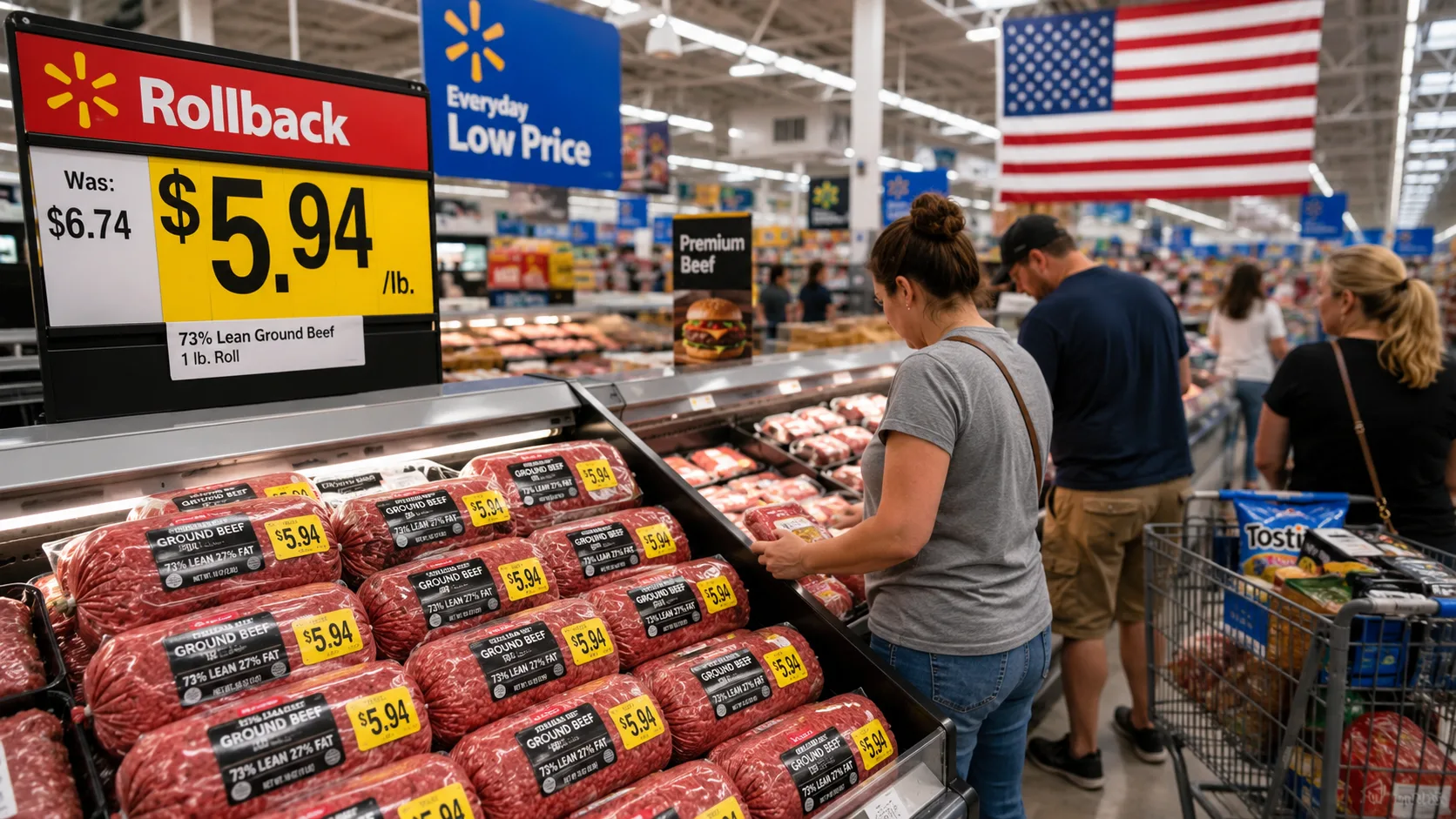
- One-pound rolls of 73% lean ground beef are dropping from $6.74 to $5.94, a reduction of nearly 12%.
- Sam’s Club is lowering prices on Member’s Mark ground beef.
- Additional markdowns include ribs, chicken wings, hot dogs, chips, soft drinks, fresh produce, grills, pools, and other summer essentials.
The timing is notable because beef prices remain close to record highs nationwide.
The U.S. cattle herd is at its smallest level in decades after years of drought forced ranchers to reduce herds. At the same time, feed costs, labor expenses, transportation costs, and processing costs have all increased, leaving retailers with less room to cut prices without sacrificing profits.
For most grocery chains, lowering beef prices right now would be difficult.
For Walmart, it’s a calculated business decision.
The Strategy Goes Far Beyond Ground Beef
Walmart has spent decades perfecting one simple strategy: use everyday essentials to bring customers through the door.
Once shoppers arrive to save money on groceries, many leave with clothing, electronics, home goods, pharmacy purchases, and dozens of other higher-margin products.
Retail analysts often refer to these heavily discounted items as “traffic drivers.”
Ground beef may not generate large profits by itself, but if lower prices convince families to choose Walmart over a competitor for their weekly shopping trip, the company often wins in the long run.
This strategy becomes even more powerful during periods of economic uncertainty when consumers become increasingly focused on value.
Inflation Remains One of America’s Biggest Concerns
Although inflation has cooled from its 2022 peak, grocery prices remain one of the biggest frustrations for American households.
Many food categories continue to cost significantly more than they did just a few years ago.
By lowering prices on highly visible summer staples, Walmart is reinforcing its reputation as the country’s low-price leader at a time when shoppers remain extremely price sensitive.
That message matters.
Consumers who believe Walmart consistently offers the best value are more likely to consolidate their shopping trips there, increasing customer loyalty while putting additional pressure on competing retailers.
Competitors May Have a Difficult Choice
Walmart’s size gives it advantages that few competitors can match.
Its enormous purchasing power allows the company to negotiate favorable pricing from suppliers while operating on thinner margins than most grocery chains.
If Walmart’s price reductions successfully attract more shoppers, competitors could face an uncomfortable decision.
They can:
- Match the discounts and accept lower profits.
- Keep prices higher and risk losing customers.
- Focus on premium products and differentiate themselves through service instead of price.
None of those choices is particularly attractive.
Regional grocery chains could face the greatest pressure, while warehouse clubs, discount retailers, and traditional supermarkets may all need to evaluate their own pricing strategies heading into the second half of the year.
The Political Angle
The announcement also generated headlines after President Donald Trump said Walmart agreed to lower prices at his administration’s request as part of America’s 250th anniversary celebration.
However, Walmart’s own announcement framed the discounts as part of its summer savings initiative and did not reference any government request.
Regardless of how the announcement originated, the story underscores how closely food prices have become tied to politics.
Affordable groceries remain one of the most visible ways Americans judge the economy, making food inflation an issue that receives attention far beyond Wall Street.
What Investors Should Watch Next
Investors shouldn’t view this story as simply cheaper hamburgers.
Instead, they should watch for signs that Walmart is launching another aggressive pricing campaign similar to previous periods when the company prioritized market share over short-term margins.
Several questions will be worth monitoring over the coming months:
- Do competitors begin matching Walmart’s lower prices?
- Does Walmart report increased customer traffic during earnings season?
- Can the company maintain margins while offering lower prices?
- Will suppliers face additional pricing pressure from major retailers?
- Does this signal broader easing in food inflation, or is it simply a strategic promotion?
If Walmart succeeds, the company’s move could strengthen its competitive position while putting additional pressure on rivals across the grocery industry.
For investors, that may prove to be the most important takeaway.
About Author