Oil prices surged Thursday after Iran-backed Houthi militants claimed attacks on two Saudi Arabian oil tankers in the Red Sea, raising fresh concerns about global energy supplies and sending investors back into defensive mode.
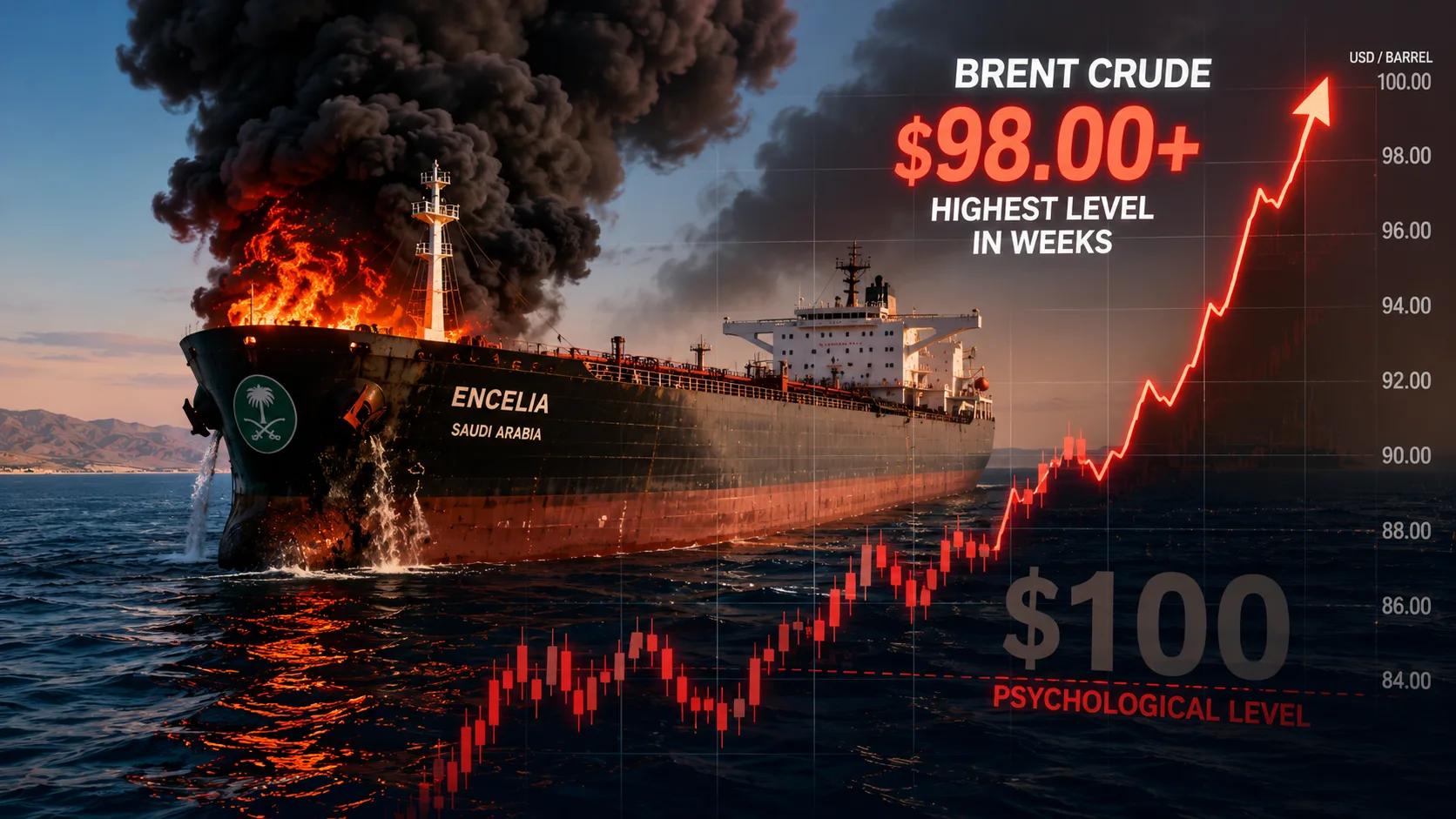
Brent crude jumped nearly 5% to more than $98 per barrel, its highest level in weeks, while U.S. West Texas Intermediate (WTI) crude climbed toward $90 per barrel. The rally comes as the conflict involving the United States, Iran, and regional proxy groups continues to widen.
The spike in oil weighed on global markets, pushed bond yields higher, and pressured stock futures ahead of another busy day of corporate earnings and central bank updates.
Why Oil Prices Are Rising
The latest catalyst came after Yemen’s Houthi movement claimed responsibility for attacks on two Saudi oil tankers, Encelia and Layla, alleging the vessels violated the group’s maritime blockade.
Saudi authorities confirmed that the Encelia was struck while traveling through the Red Sea, causing a fire near the front of the vessel. Officials said the crew escaped safely.
Separately, the United Kingdom Maritime Trade Operations (UKMTO) reported that an unidentified projectile struck another Saudi tanker roughly 130 kilometers off Saudi Arabia’s western coast, also igniting a fire onboard.
If confirmed, the attacks represent a significant escalation and the first reported strikes against Saudi oil tankers since the Houthis announced their expanded naval blockade.
Another Critical Shipping Route Faces New Risk
The attacks have renewed concerns over the security of the Bab el-Mandeb Strait, one of the world’s most important maritime chokepoints connecting the Red Sea to the Gulf of Aden.
Any prolonged disruption could force commercial vessels to reroute around Africa, increasing shipping costs and extending delivery times for crude oil and other goods.
According to the Institute for the Study of War, multiple commercial ships have already altered their routes to avoid the area as security concerns intensify.
For energy markets already dealing with instability around the Strait of Hormuz, another threatened shipping corridor adds to fears of tighter global oil supplies.
U.S. Expands Military Campaign Against Iran
The geopolitical backdrop continues to deteriorate.
U.S. Central Command confirmed it completed a 12th consecutive night of strikes targeting Iranian military infrastructure, including missile storage facilities, drone sites, maritime capabilities, and air defense systems.
CENTCOM said the operations are intended to reduce Iran’s ability to threaten commercial shipping and regional security.
The military also said U.S. naval forces have continued enforcing restrictions around Iranian ports, redirecting commercial vessels away from the area.
Meanwhile, Secretary of State Marco Rubio said Iran remains unwilling to negotiate a lasting agreement.
“They are going to continue to pay a price,” Rubio said, adding that each night of military operations increases pressure on Tehran.
Trump Escalates Warning to Iran
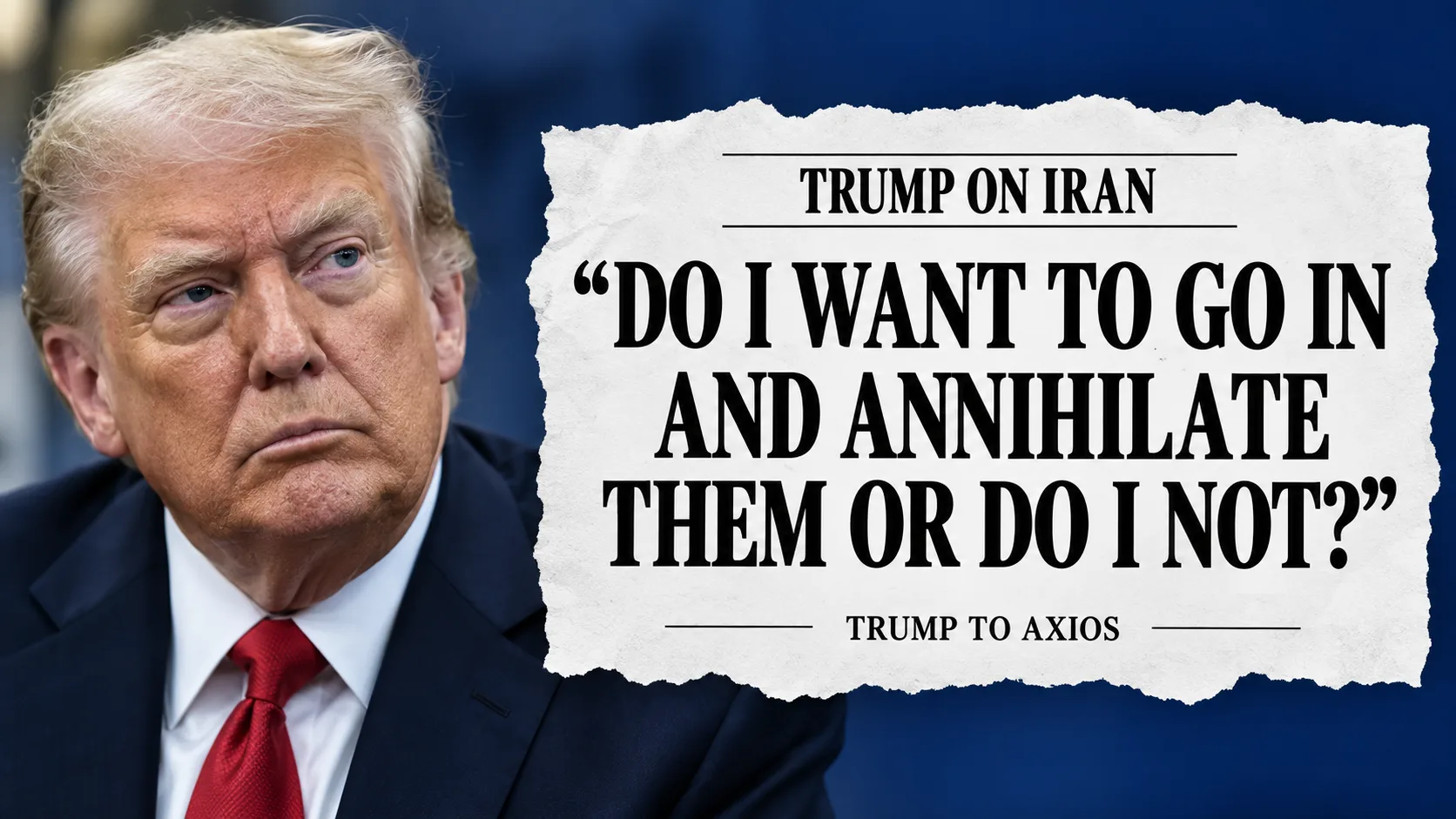
President Donald Trump also raised the stakes this week with a new warning directed at Tehran.
The president said the United States would destroy an Iranian bridge or power plant every time Iran attacks commercial shipping in the Strait of Hormuz.
Iran responded by threatening retaliation against U.S.-linked infrastructure and energy assets throughout the region, increasing concerns that the conflict could spread further.
Stocks Under Pressure as Big Tech Earnings Disappoint
Rising oil prices and geopolitical risks added to pressure already building from corporate earnings.
Before the opening bell:
- Alphabet (NASDAQ: GOOGL) fell more than 3% after increasing its projected AI-related capital spending to as much as $205 billion, renewing concerns about escalating infrastructure costs.
- Tesla (NASDAQ: TSLA) dropped over 5% after reporting negative free cash flow for the second quarter.
- Investors are also awaiting earnings from Intel (NASDAQ: INTC) later Thursday, along with results from RTX (NYSE: RTX), Lockheed Martin (NYSE: LMT), Blackstone (NYSE: BX), and American Airlines (NASDAQ: AAL).
The European Central Bank is widely expected to leave interest rates unchanged but could signal that additional tightening remains possible if inflation accelerates again.
Inflation Concerns Return
The renewed jump in crude prices immediately revived inflation worries.
Higher energy prices can ripple throughout the economy by increasing transportation, manufacturing, and consumer costs, making it more difficult for central banks to ease monetary policy.
Government bond yields moved higher in both Europe and the United States as traders reduced expectations for future interest-rate cuts.
If oil continues climbing toward or above $100 per barrel, investors may begin pricing in a longer period of elevated inflation.
What Investors Should Watch
Markets remain highly sensitive to developments in the Middle East.
Key events to monitor include:
- Confirmation of additional attacks on commercial shipping.
- Whether Brent crude breaks decisively above the $100 per barrel level.
- Further U.S. military operations against Iran.
- Any Iranian retaliation targeting energy infrastructure or shipping lanes.
- Upcoming corporate earnings and guidance, particularly from major technology companies.
With geopolitical tensions escalating alongside earnings season, investors should expect elevated volatility across energy, equities, and bond markets in the days ahead.
About Author