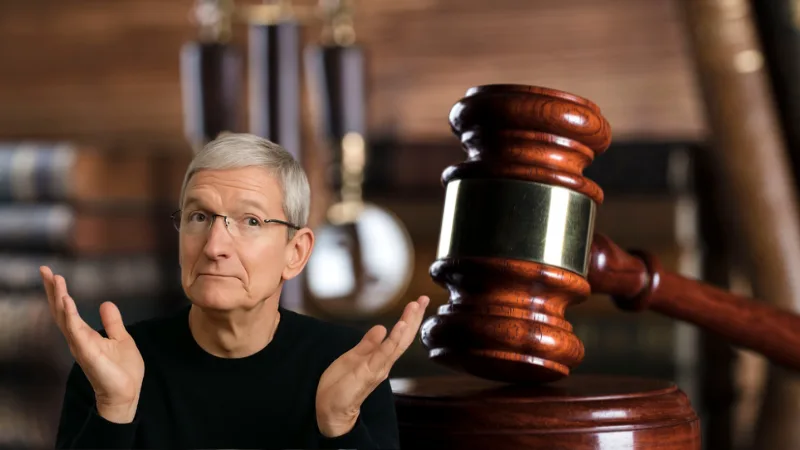
Apple is once again under legal pressure, this time from the state of West Virginia, in a lawsuit that could carry significant implications for both the technology giant and the broader tech industry. The case centers on accusations that Apple failed to adequately prevent child sexual abuse material from being stored and shared through its iCloud and iOS ecosystem. If the lawsuit succeeds, it could force design changes, stricter monitoring policies, and potentially reshape how major tech companies balance privacy with safety.
The Core Allegations
West Virginia Attorney General John “JB” McCuskey has filed a consumer protection lawsuit accusing Apple of prioritizing its privacy reputation and business interests over child safety. According to the complaint, Apple allegedly failed to take sufficient action to prevent the distribution and storage of child exploitation material on its platforms, despite having the technological ability to do so.
The lawsuit also contrasts Apple’s approach with other major technology firms such as Google, Microsoft, and Dropbox, which have implemented automated systems to detect and block such material. One of the most widely used systems is PhotoDNA, a technology developed by Microsoft and Dartmouth College in 2009 that uses hashing and matching techniques to identify known illegal images and report them to authorities.
The legal challenge reflects growing pressure on large tech companies to take stronger action against harmful content, particularly when it involves children. Regulators and lawmakers in both the United States and abroad have increasingly scrutinized how technology platforms monitor and respond to illegal activity within their ecosystems.
Apple’s Previous Attempt at Detection Technology
This lawsuit is not the first time Apple has faced criticism over its approach to child safety technology. In 2021, the company tested a system designed to detect child exploitation images automatically on iCloud. The technology would have identified known illegal images and reported them to the National Center for Missing and Exploited Children in the United States.
However, Apple abandoned the rollout of the system after widespread backlash from privacy advocates. Critics warned that such technology could create a potential backdoor for government surveillance and could eventually be expanded beyond its original purpose to monitor other forms of content.
The decision sparked a heated debate about the balance between privacy and safety. Apple has long positioned itself as one of the most privacy focused companies in the technology sector, a stance reinforced by CEO Tim Cook’s public messaging over the past decade. But critics argue that strong privacy protections can sometimes limit the ability to combat harmful or illegal content effectively.
Continued Scrutiny and Additional Legal Pressure
The West Virginia lawsuit comes amid broader and ongoing scrutiny of Apple’s handling of child safety issues. In 2024, a UK based child protection watchdog said Apple did not sufficiently monitor or report child exploitation material found within its products. Around the same time, thousands of survivors filed a separate lawsuit in California alleging Apple should not have abandoned its earlier detection system, claiming that allowing such material to spread online forced victims to relive trauma.
These legal challenges highlight growing expectations for technology companies to actively detect and remove illegal material rather than relying primarily on user reports or external investigations. Regulators are increasingly signaling that failure to act could carry legal and financial consequences.
Apple’s Response
Apple has pushed back against the allegations, emphasizing its commitment to both safety and privacy. In a statement, a company spokesperson said, “protecting the safety and privacy of our users, especially children, is central to what we do.”
The company pointed to several existing tools, including parental controls and its Communication Safety feature, which is designed to intervene when nudity is detected on children’s devices in Messages, shared Photos, AirDrop, and live FaceTime calls. Apple maintains that these features demonstrate its continued effort to protect younger users while preserving strong privacy protections.
The spokesperson added, “We are innovating every day to combat ever-evolving threats and maintain the safest, most trusted platform for kids.”
What the Lawsuit Could Mean
If West Virginia succeeds, the lawsuit could force Apple to implement stronger monitoring and detection systems for illegal material. The state is seeking statutory damages, punitive damages, and court ordered changes requiring Apple to deploy more effective detection technology.
Such an outcome could have industry wide consequences. Apple has historically influenced how other tech companies approach privacy and security. A legal mandate forcing Apple to adopt stronger detection measures could reshape standards across the technology sector and accelerate the development of new monitoring tools.
The case also underscores a growing legal trend. Governments around the world are increasingly willing to challenge major technology firms over issues involving safety, privacy, and platform responsibility. As digital ecosystems expand and cloud services become more central to everyday life, the regulatory environment for tech giants is becoming more complex and demanding.
Investor and Market Implications
While the lawsuit primarily centers on safety and legal compliance, it also carries potential implications for investors. Legal battles involving large technology companies can affect market sentiment, especially when they raise questions about regulatory risk or business model changes.
If Apple is forced to redesign core systems or implement new monitoring technology, it could result in increased costs and operational adjustments. However, investors will also weigh the broader impact. Apple’s strong brand reputation and ecosystem have historically allowed it to navigate legal challenges without long term damage.
Still, the issue touches on a sensitive area that could influence public perception, regulatory relationships, and long term policy direction in the tech industry. Investors will likely watch closely for developments, particularly any signs that similar lawsuits could emerge in other states or jurisdictions.
The Bigger Picture
The tension between privacy and safety is not unique to Apple. It is one of the defining challenges facing modern technology companies. As lawmakers push for stronger protections against harmful content and illegal activity, companies must navigate competing demands from regulators, users, and privacy advocates.
The outcome of the West Virginia lawsuit could set an important precedent for how technology firms address this balance moving forward. Whether it leads to new safeguards, regulatory changes, or broader industry shifts, the case is another reminder that the relationship between technology, law, and society continues to evolve rapidly.
About Author