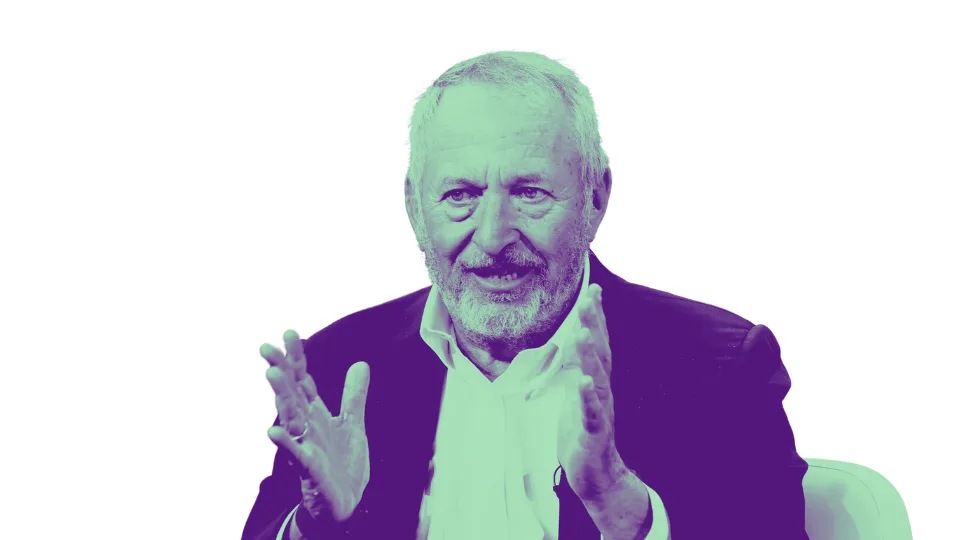
Larry Summers, one of the most recognizable names in American economics and academia, has resigned from the OpenAI board following newly revealed emails showing previously undisclosed interactions with Jeffrey Epstein. The fallout has quickly expanded beyond OpenAI. Harvard University has launched its own review, political pressure is mounting, and media partners are distancing themselves from Summers.
The situation highlights how the release of more than 20,000 pages of Epstein related documents is continuing to send shockwaves through elite institutions. Even those not accused of criminal wrongdoing are facing reputational and professional consequences.
Summers Resigns From OpenAI Board
OpenAI confirmed Summers’ departure in a brief statement.
“Larry has decided to resign from the OpenAI Board of Directors, and we respect his decision,” the board said Wednesday. The group thanked him for his contributions and the experience he brought to the company.
Summers released his own statement.
“I am grateful for the opportunity to have served, excited about the potential of the company, and look forward to following their progress.”
OpenAI has spent the past two years attempting to stabilize after board upheavals, executive turnover, and growing regulatory scrutiny. Summers, a former Treasury secretary and one of the most influential economic thinkers of the past four decades, was expected to play a key role in corporate governance. His departure removes one of the company’s most high profile voices during a sensitive period for the artificial intelligence industry.
Harvard Launches Internal Review
A Harvard University spokesman confirmed Wednesday that the school has opened a review of Summers’ interactions with Epstein.
“The University is conducting a review of information concerning individuals at Harvard included in the newly released Jeffrey Epstein documents to evaluate what actions may be warranted.”
This marks the latest instance of Epstein related revelations prompting investigations across academia. Harvard itself has faced years of scrutiny for accepting donations from Epstein and failing to properly account for faculty relationships with him.
What the Newly Released Documents Reveal
Summers is one of several prominent figures whose communications appeared in the trove of documents released by lawmakers last week. The emails do not allege criminal activity. Instead, they raise uncomfortable questions about his decision to continue engaging with Epstein at a time when the financier was already a registered sex offender.
Summers said Monday he would take time to step back and focus on “rebuild[ing] trust and repair[ing] relationships” with those closest to him. He added that he intends to “fulfill his teaching obligations” at Harvard.
He also said, “I am deeply ashamed of my actions and recognize the pain they have caused. I take full responsibility for my misguided decision to continue communicating with Mr. Epstein.”
Political Pressure Intensifies
The situation escalated further when Sen. Elizabeth Warren weighed in. The Massachusetts Democrat said Summers displayed “monumentally bad judgement” in his interactions with Epstein and argued he should not be trusted to teach at Harvard or advise policymakers.
The comments underscore a broader political backdrop. Epstein’s communications with powerful figures remain a flashpoint, and lawmakers in both parties have demanded maximum transparency. On Tuesday, Congress voted overwhelmingly to force the release of a wide range of government files connected to Epstein.
Media Fallout and Additional Reporting
The New York Times also distanced itself from Summers. The outlet confirmed it will not renew his one year contributing writer agreement, which expires at the end of 2025.
Meanwhile, the Harvard Crimson published additional details from the newly released emails. The student newspaper reported that Summers sought Epstein’s advice on a personal romantic situation involving a woman he referred to as a mentee. The emails show that Summers corresponded regularly with Epstein in 2018 and 2019.
Summers joins a growing list of public figures who have faced renewed backlash and career consequences as more Epstein related materials emerge.
Summers’ Long Career and Past Controversies
Summers joined Harvard’s economics faculty in 1983 before later serving as chief economist at the World Bank. In the Clinton administration he became Treasury secretary, and in 2001 he was selected as Harvard’s president.
His presidency ended abruptly in 2006 after a faculty revolt and a vote of no confidence following controversial remarks about the representation of women in science and engineering. He returned to teaching after stepping down.
Why This Matters
The release of Epstein’s archives is pulling influential institutions back under the microscope. The reputational damage does not depend on criminal wrongdoing but on public trust, judgment, and transparency.
For OpenAI, Summers’ resignation is another governance challenge during a time when policymakers worldwide are questioning how major AI companies are managed. For Harvard, the review represents yet another chapter in its long running effort to separate itself from Epstein’s legacy.
For investors and policy watchers, the implications are clear. Institutions tied to high profile leaders are navigating heightened scrutiny, and reputational risk is increasingly affecting talent recruitment, board composition, and regulatory relationships.
Epstein Case Background
Epstein pleaded guilty in 2008 to procuring a minor for prostitution and served jail time in Florida. He registered as a sex offender and remained a controversial figure until his second arrest in 2019 on federal sex trafficking conspiracy charges. He died in jail later that year.
Bottom Line
Summers’ resignation from OpenAI and the expanding review at Harvard reflect how the fallout from the Epstein documents continues to ripple through American institutions. As more information becomes public, more leaders may face difficult questions about their past decisions, their associations, and their judgment.
About Author