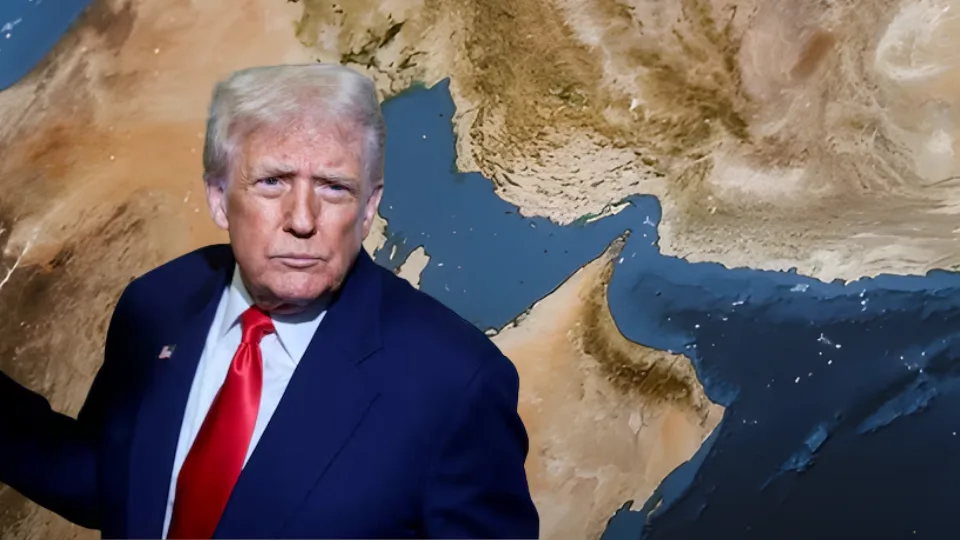
President Donald Trump said Saturday that a potential agreement with Iran to reopen the Strait of Hormuz is now “largely negotiated,” signaling what could become one of the most important geopolitical market developments of 2026.
If finalized, the deal could dramatically reshape oil markets, inflation expectations, Federal Reserve policy forecasts, and investor positioning across energy, defense, commodities, and equities.
The Strait of Hormuz is not just another shipping lane. Roughly one-fifth of the world’s oil supply passes through the narrow waterway. Since conflict escalated earlier this year between Iran, Israel, and U.S.-aligned forces in the region, global energy markets have been operating under a near-constant state of stress. Oil prices surged. Shipping costs exploded. Inflation fears returned. Investors suddenly had to price in the possibility of a prolonged Middle East energy shock.
Now Trump is signaling that the market’s worst-case scenario may be fading.
In a social media post, Trump said discussions involving Saudi Arabia, the UAE, Qatar, Pakistan, Turkey, Egypt, Jordan, Bahrain, and Israeli Prime Minister Benjamin Netanyahu had pushed negotiations close to completion.
“An Agreement has been largely negotiated, subject to finalization between the United States of America, the Islamic Republic of Iran, and the various other Countries,” Trump said.
The White House has not yet released the full details of the agreement, but Trump indicated an announcement could come shortly and specifically referenced reopening the Strait of Hormuz.
That single phrase may matter more to markets than anything else.
Why Investors Suddenly Care About Every Word Coming Out of the White House
Over the past several months, the Strait of Hormuz effectively became the pressure valve for the global economy.
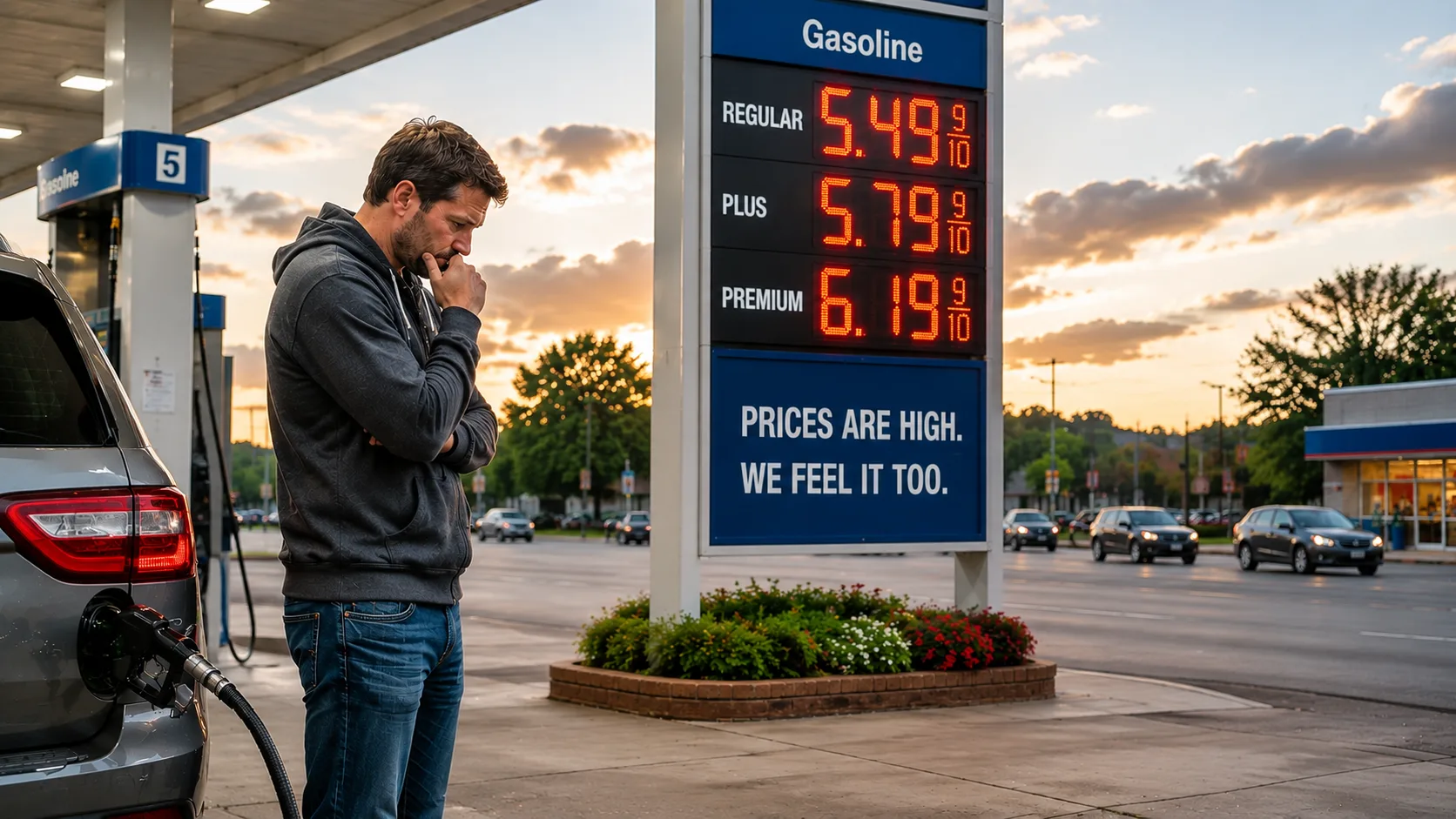
As tensions escalated, markets rapidly repriced energy risk. Oil traders began building geopolitical premiums into crude futures. Shipping insurers raised rates. Airlines faced higher fuel costs. Transportation companies warned about margin pressure. Consumers felt it almost immediately through higher gasoline prices.
The inflation impact became especially important.
Higher fuel costs helped push U.S. inflation back toward levels many economists believed were behind us. That created a new problem for the Federal Reserve. Investors who previously expected rate cuts suddenly had to consider the possibility that rates might stay higher for longer or even rise again.
Now the market is trying to determine whether Trump’s announcement represents a real de-escalation or simply another temporary diplomatic pause.
If the Strait of Hormuz fully reopens and shipping flows normalize, several major market reactions could follow quickly:
- Oil prices could retreat sharply
- Inflation expectations could cool
- Treasury yields could fall
- Airline and transportation stocks could rally
- Consumer discretionary stocks could benefit
- The Federal Reserve could regain flexibility on rates
That is why Wall Street is treating this development as far more than just another foreign policy headline.
Markets Are Already Positioning for a Possible Energy Reset
One of the biggest hidden stories in this conflict has been how deeply energy fears infiltrated nearly every corner of the financial system.
Oil was the obvious beneficiary. Defense contractors rallied aggressively. Gold surged as investors sought safe-haven protection. Shipping costs rose. Airline stocks came under pressure. Inflation-sensitive sectors became volatile.
But there was also a second-order effect many investors missed.
Institutional investors began quietly repositioning portfolios around the assumption that geopolitical instability could persist for years rather than months. Energy security suddenly became one of the dominant macro themes globally.
That shift benefited:
- Domestic energy producers
- LNG exporters
- Pipeline infrastructure firms
- Defense manufacturers
- Commodity trading firms
- Alternative shipping routes and logistics providers
A genuine reopening of the Strait of Hormuz could partially unwind some of those trades.
However, the market is unlikely to fully price in peace until concrete details emerge.
And there are still major reasons for skepticism.
The Deal May Be Much Less Complete Than Trump Suggests
Despite Trump’s optimistic tone, multiple reports suggest major sticking points remain unresolved.
Iranian state-linked media reportedly pushed back on parts of Trump’s characterization of the agreement, particularly surrounding control of the Strait of Hormuz itself. Iranian reports indicated the strait would remain under Iranian management and dismissed claims of a finalized reopening framework as incomplete.
Even more importantly, the biggest issue at the center of the conflict may not yet be resolved at all.
Trump’s statement reportedly did not include any finalized agreement regarding Iran’s nuclear program or its highly enriched uranium stockpile.
That matters enormously.
For months, the Trump administration has publicly framed Iran’s nuclear capabilities as a central condition for broader peace negotiations. Trump has repeatedly demanded Iran surrender enriched uranium and permanently relinquish any pathway toward nuclear weapons capability.
Reuters also reported that a senior Iranian source said Tehran has not agreed to hand over its uranium stockpile and that nuclear matters were not included in the preliminary framework being discussed.
That creates a potentially dangerous setup for markets.
Investors may begin pricing in peace before the hardest parts of the negotiations are actually solved.
The Market’s “Relief Rally” Risk
One of the biggest risks now is what traders call a relief rally trap.
Markets often surge initially on positive geopolitical headlines, especially after extended periods of fear and uncertainty. But if negotiations later stall, reverse, or collapse, those same markets can unwind violently.
That is especially true here because oil prices became one of the core inflation drivers globally.
If investors aggressively price in lower oil and lower inflation before negotiations are finalized, any renewed military escalation could produce another sharp energy spike.
That is why traders are likely to watch several key signals over the next 72 hours:
- Official confirmation of shipping lane security
- Insurance rate reductions for tanker traffic
- Iranian statements regarding uranium negotiations
- Israeli government reaction
- Crude oil futures pricing
- Federal Reserve commentary on inflation expectations
The next few days may determine whether this becomes a true geopolitical turning point or simply another temporary ceasefire headline.
Trump May Be Positioning Himself as the Economic Stabilizer Heading Into Election Season
There is also a major political dimension investors cannot ignore.
Trump increasingly appears to be framing himself as the leader capable of restoring economic stability after months of global energy chaos.
That matters because inflation remains one of the most politically sensitive issues in America.
Gasoline prices affect consumer psychology faster than almost anything else in the economy. Higher fuel costs ripple into food prices, transportation costs, airline tickets, manufacturing expenses, and consumer confidence.
If Trump can help engineer even a partial reopening of the Strait of Hormuz while energy prices fall into the U.S. election cycle, it could significantly strengthen his economic messaging.
That may partially explain why Gulf states including Saudi Arabia, Qatar, and the UAE reportedly pushed aggressively for de-escalation efforts. Continued instability threatened both regional security and the broader global economy.
What Investors Should Watch Next
This story is now moving from military risk into macroeconomic risk management.
That transition matters.
For months, markets traded on fear. Now they may begin trading on normalization.
Investors should pay close attention to:
- Oil prices
- Inflation expectations
- Fed rate probability shifts
- Airline and travel sector movement
- Energy stock volatility
- Defense sector pullbacks or continuation rallies
- Treasury yield reactions
A true reopening of the Strait of Hormuz would likely become one of the biggest macroeconomic developments of the year.
But investors should also remember something important:
Negotiated peace headlines and durable geopolitical stability are not always the same thing.
The market may want to believe the crisis is ending.
The actual negotiations may prove far more complicated.
About Author