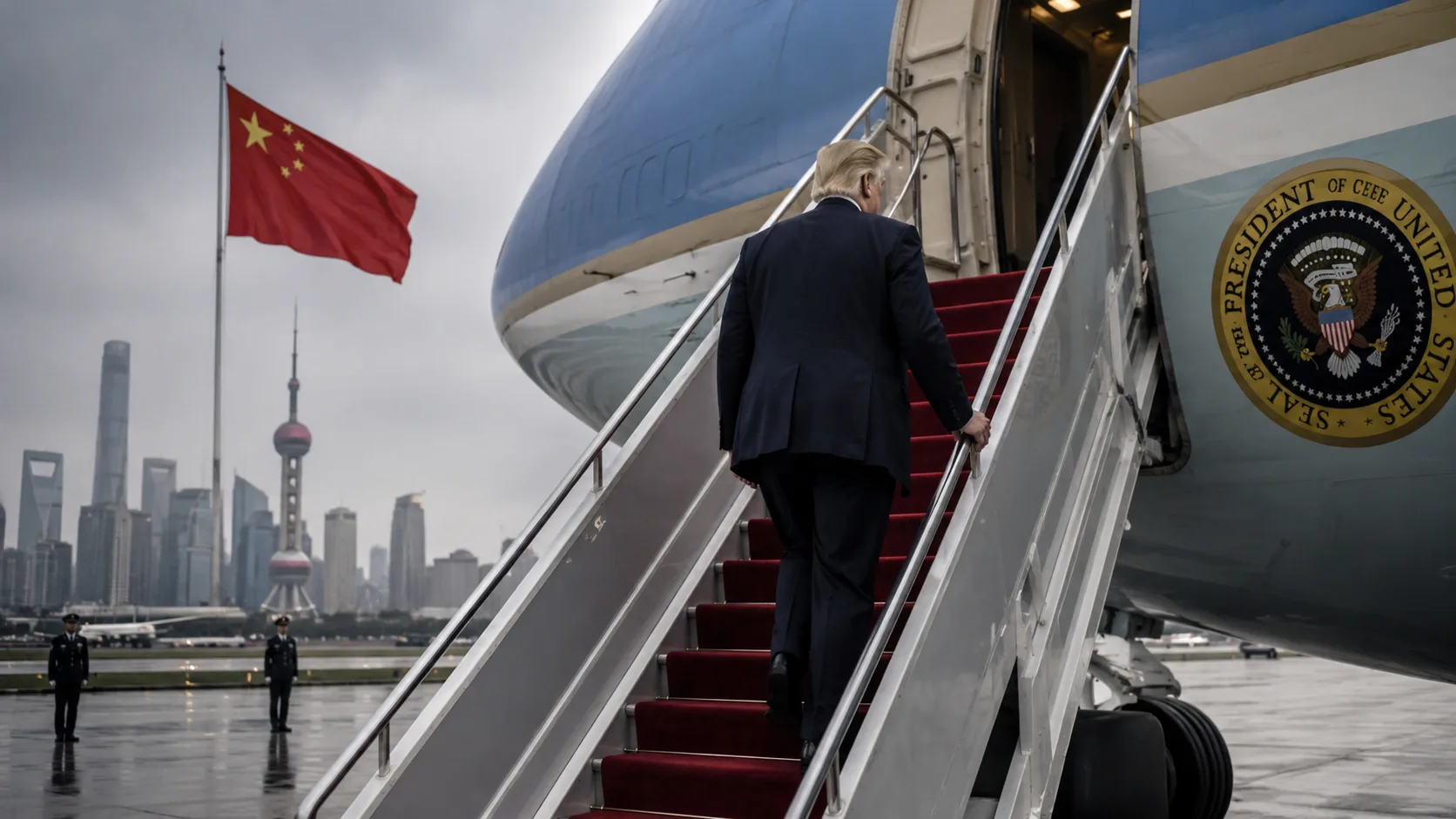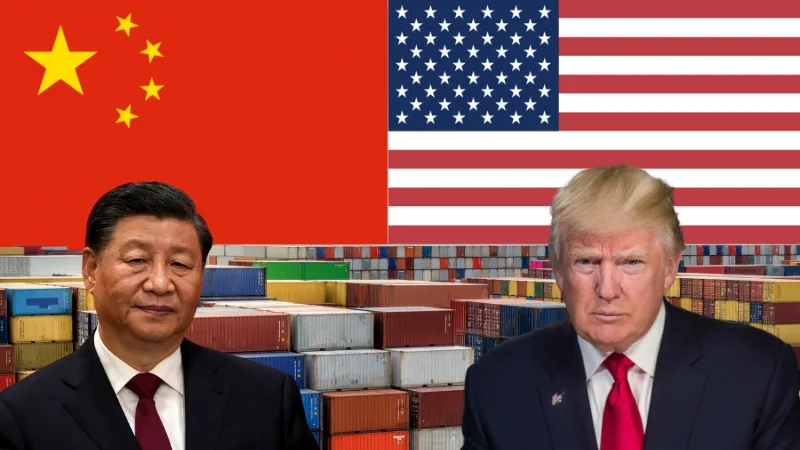
On August 11, 2025, President Donald Trump signed an executive order extending the U.S.–China tariff truce by 90 days, pushing a high-stakes trade showdown to November. While the move gives markets short-term breathing room, it leaves core disputes unresolved — and sets up a potential economic flashpoint just before the year ends.
A Pause, Not a Peace
The agreement delays the implementation of steep new U.S. tariffs — which were set to rise from 30% to as high as 60% on certain Chinese imports — and China’s planned retaliatory measures on U.S. exports. The new deadline is 11:01 p.m. EST on November 9, 2025 (technically 12:01 a.m. EST on November 10) (Reuters).
Markets rallied on the news. Japan’s Nikkei 225 surged to record highs, Asian equities broadly advanced, and shipping and retail stocks jumped in early U.S. trading. Oil prices steadied, with Brent crude around $66.60 and WTI at $63.86 per barrel (The Guardian; Reuters).
President Trump framed the move as a way to give negotiators more time:
“We’re working toward a fair and reciprocal agreement,” he said. “This gives us a chance to do it right.”
Why the Extension Happened
While both sides presented the decision as a goodwill gesture, the timing was strategic:
- Holiday season pressure: U.S. retailers faced looming price hikes that could hit consumers just before peak shopping season.
- Stockpiling opportunity: Chinese exporters, particularly in electronics, needed time to fill orders before tariffs bite.
- Market stability: Both Washington and Beijing are managing slower growth and market volatility — neither wants a tariff-induced sell-off now.
Trade analysts point out that this extension mirrors earlier “tariff pauses” that bought time without resolving core disputes over intellectual property rights, tech transfer rules, and market access (Barron’s).
What’s Still Unresolved
The extension doesn’t address the most contentious issues:
- Technology Restrictions: The U.S. is maintaining semiconductor export controls and tightening restrictions on AI-related components.
- Rare Earths Leverage: China has hinted it could restrict rare earth exports critical to U.S. defense and tech manufacturing.
- Agricultural Trade: China’s purchase commitments for U.S. farm goods remain well below prior targets.
- Industrial Subsidies: The U.S. continues to press China to roll back state subsidies in key manufacturing sectors.
Short-Term Market Impact
The immediate effect is relief across trade-sensitive sectors:
- Retail & Consumer Goods: Avoiding an immediate 10–25% increase on apparel, electronics, and toys benefits companies like Walmart, Target, and Best Buy.
- Shipping & Logistics: Freight forwarders are seeing a rush of bookings as importers front-load shipments before the November deadline. Flexport reported a 35% spike in bookings from China in the 24 hours after the extension (Business Insider).
- Commodities: Copper prices stabilized as fears of immediate demand destruction eased.
What Happens After November 10? Three Scenarios
| Scenario | Probability | Market Impact |
|---|---|---|
| Full Tariff Activation | ~45% | Retail and manufacturing stocks sell off; U.S. dollar strengthens; inflationary pressures rise. |
| Another Extension | ~35% | Markets remain in “stalling mode” with muted optimism; volatility persists. |
| Partial Rollback/Deal | ~20% | Risk-on rally in equities, especially in consumer and industrial sectors. |
Risks If Talks Fail
- Consumer Prices: Retail goods could see double-digit price jumps heading into 2026.
- Agriculture: Retaliatory tariffs could cut U.S. soybean, pork, and beef exports to China significantly.
- Tech Supply Chains: Semiconductor lead times could lengthen as component flows tighten.
- Global Growth: The IMF estimates a full tariff escalation could shave 0.5% off global GDP within a year.
Investor Playbook
1. Short-Term Opportunities
- Retail & Shipping Stocks: Potential for pre-holiday rallies. Consider companies with high import exposure but strong supply chain management.
- Commodities: Copper, soybeans, and oil will respond quickly to trade headlines — traders can play volatility around November.
2. Risk Management
- Hedging: November options in China-exposed sectors could offer attractive premiums as volatility rises.
- Diversification: Reduce overweight positions in companies heavily dependent on single-country sourcing from China.
3. Long-Term Positioning
- Manufacturing Diversification: Look at firms already expanding production in Vietnam, Mexico, or India.
- Technology Leaders: Companies less reliant on Chinese components are better positioned for sustained profitability.
The Bottom Line
The 90-day tariff extension is a relief for markets, but it’s not a resolution. It buys time — for negotiators, for companies stocking up ahead of possible tariff hikes, and for investors positioning ahead of a potentially pivotal November decision.
For now, the trade war is in a holding pattern. Come November, it could either be another delay, a partial peace, or an all-out escalation. Smart investors will prepare for all three.
About Author