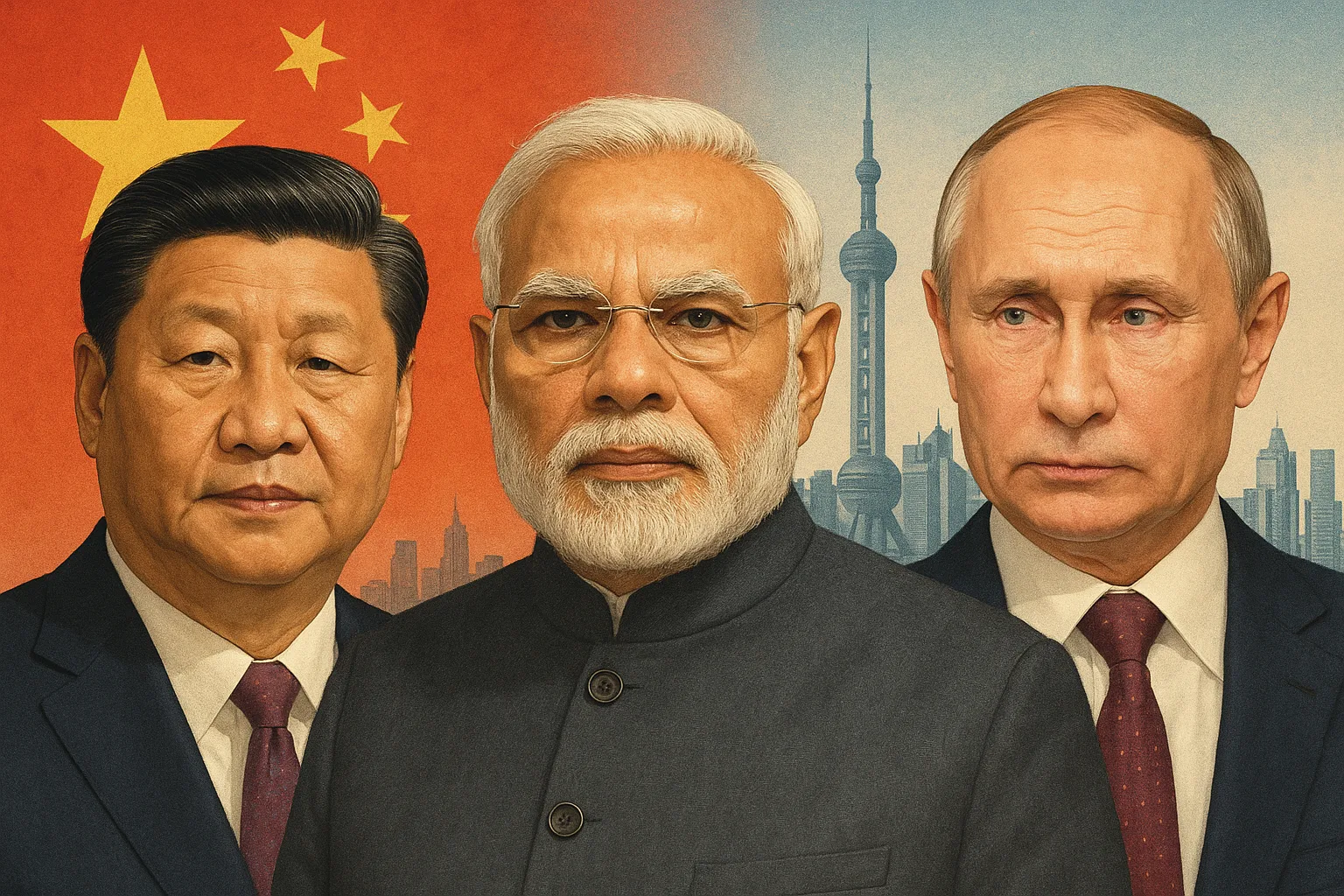
China is hosting one of the most consequential gatherings of 2025 this weekend. President Xi Jinping, Indian Prime Minister Narendra Modi, and Russian President Vladimir Putin are all in Tianjin for the annual Shanghai Cooperation Organisation (SCO) summit. With over 20 world leaders in attendance, this is more than a diplomatic event — it’s a signal of how the global economy may be rebalancing away from the West.
For investors, the summit matters because it touches on energy markets, global trade, currencies, and geopolitical risk premiums. Here’s what you need to know, why it matters, and how it could affect markets.
Modi’s First Trip to China in Seven Years
Modi’s participation is a headline in itself. He hasn’t visited China since 2018, largely due to the border clashes in 2020 that froze relations. His trip comes just days after Washington imposed 50% tariffs on Indian exports, a move that jolted India’s economy and made diversification away from the U.S. urgent.
India’s strategy is clear: hedge. Modi is signaling to both domestic and global audiences that India has options beyond Washington. Expect him to push for economic partnerships that soften the blow from tariffs while avoiding too much dependence on Beijing.
Putin’s Lifeline: Trade With China and India
Putin is also seizing the opportunity. With Russia’s economy under strain from Western sanctions, the Kremlin views the SCO summit as a stage to revive trade with China and deepen its role as a discounted energy supplier for India.
Reuters reports that Putin will use the trip to sign commercial documents, including possible Gazprom-related agreements. He will also stay in Beijing for a September 3 military parade, where Xi has invited him as the “main guest.” The optics will be powerful: Russia standing shoulder-to-shoulder with China at a time of isolation from the West.
The SCO: More Than Just a Talk Shop
The Shanghai Cooperation Organisation (SCO) was founded in 2001 as a regional security bloc. It has since grown to include China, Russia, India, Pakistan, Iran, and Central Asian states, representing:
- ~42% of the world’s population
- ~23% of global GDP (nominal)
- ~36% of GDP on a PPP basis
That scale matters. Even modest agreements on trade, energy, or payment systems within the SCO carry global consequences.
What Investors Should Watch
1. Energy Deals
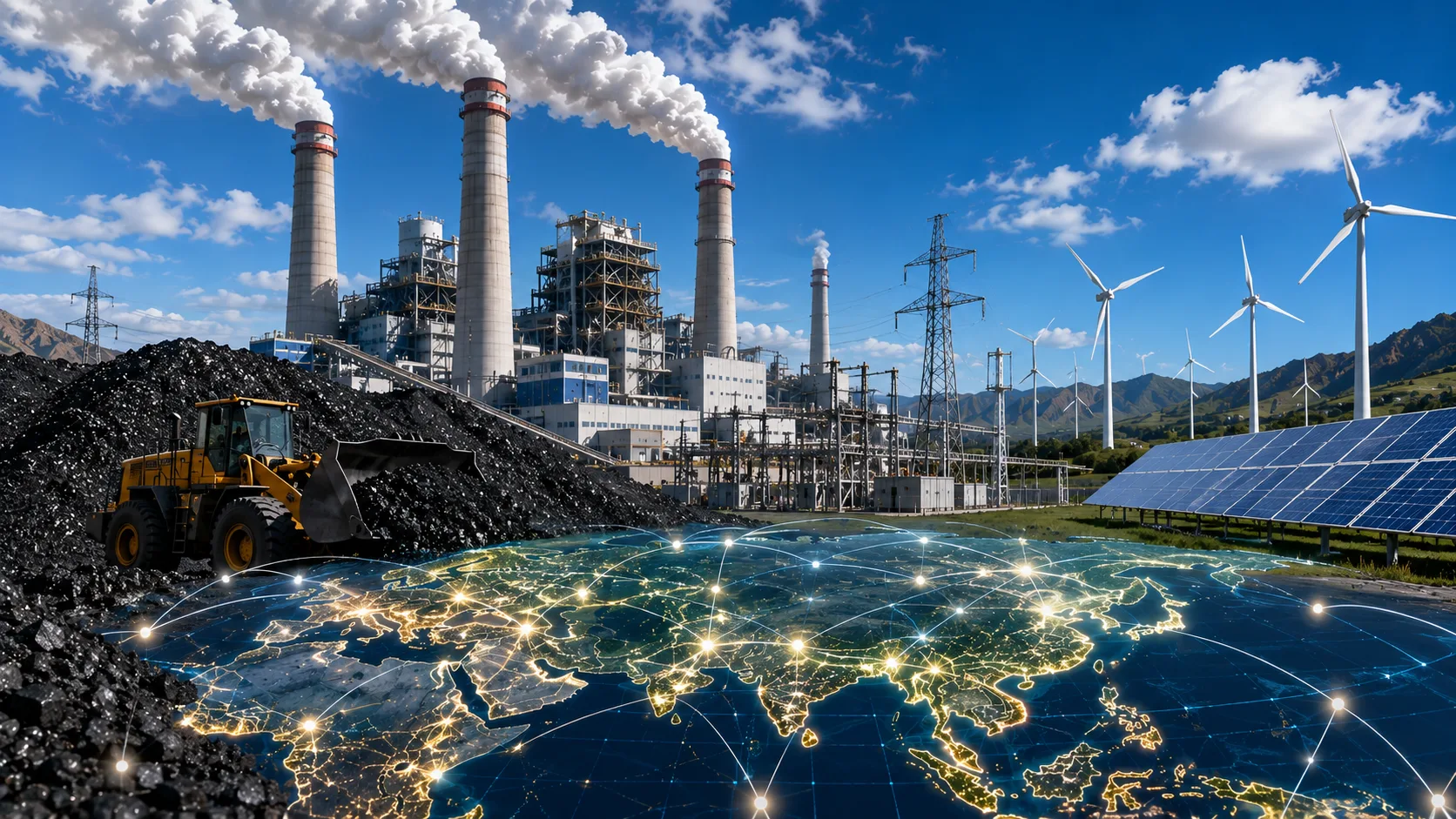
Russia’s push to secure long-term energy buyers is central. If Gazprom signs agreements with China or India, it strengthens Moscow’s ability to bypass Western sanctions. That could:
- Support oil prices, keeping Brent elevated.
- Benefit Indian refiners importing discounted Russian crude.
- Pressure Western energy firms losing market share in Asia.
2. Currency Settlements
The summit is expected to emphasize local currency trade (yuan, rubles, rupees). While this won’t displace the U.S. dollar, it gradually chips away at its dominance in global settlement.
- Watch for mentions of CIPS (China’s cross-border payment system).
- Local-currency settlements support Chinese banks and add FX volatility for emerging markets.
3. India’s Trade Diversification
With the U.S. tariffs hitting hard, India is looking for new partners. Expect announcements around semiconductors, rare-earth minerals, and infrastructure projects.
- Positive for India’s capex cycle: banks, power, and infrastructure companies.
- Negative for Indian exporters most exposed to the U.S. consumer market.
4. Border Stability
A Modi–Xi meeting won’t erase the border dispute, but any progress reduces short-term geopolitical risk premiums for Indian markets. That means less volatility in the rupee and equities — at least for now.
What Everyone Wants to Know
Is this an anti-West alliance?
Not formally, but it functions as a platform for countries outside the Western orbit to coordinate. It complicates Washington’s leverage on trade and sanctions.
Will there be a big “ditch the dollar” announcement?
No. Expect incremental moves toward local-currency trade. Small steps add up over time.
Is India pivoting away from the U.S.?
No. India is hedging, not abandoning. Modi still needs U.S. capital and technology, but he must also show independence in the face of tariffs.
Will markets move on this summit?
Yes, but not from the communiqués. The real impact comes from energy deals, trade diversification, and payment system adjustments.
Investor Takeaways
- Oil and Gas: Expect some support for Brent crude. Keep optionality in LNG and pipeline names if Gazprom deliverables materialize.
- Indian Markets: Favor domestic capex and infrastructure plays over exporters tied to U.S. demand.
- Currencies: Watch for INR stability if border optics are positive, but hedge medium-term risks.
- Banks and Payment Systems: Any yuan settlement news is positive for Chinese cross-border banks.
- Geopolitical Hedge: Maintain exposure to safe havens (gold, U.S. Treasuries) if the summit escalates tensions with Washington.
Why This Summit Matters
The Tianjin SCO summit underscores how quickly global alignments are shifting.
- Xi wants to project China as the leader of the Global South.
- Putin needs trade and energy revenues to survive sanctions.
- Modi must demonstrate that India isn’t boxed in by U.S. tariffs.
Together, these dynamics make the SCO more than a photo-op. For investors, it’s a reminder that energy flows, trade agreements, and settlement systems are being reshaped in real time — and portfolios need to adapt accordingly.
Sources
About Author