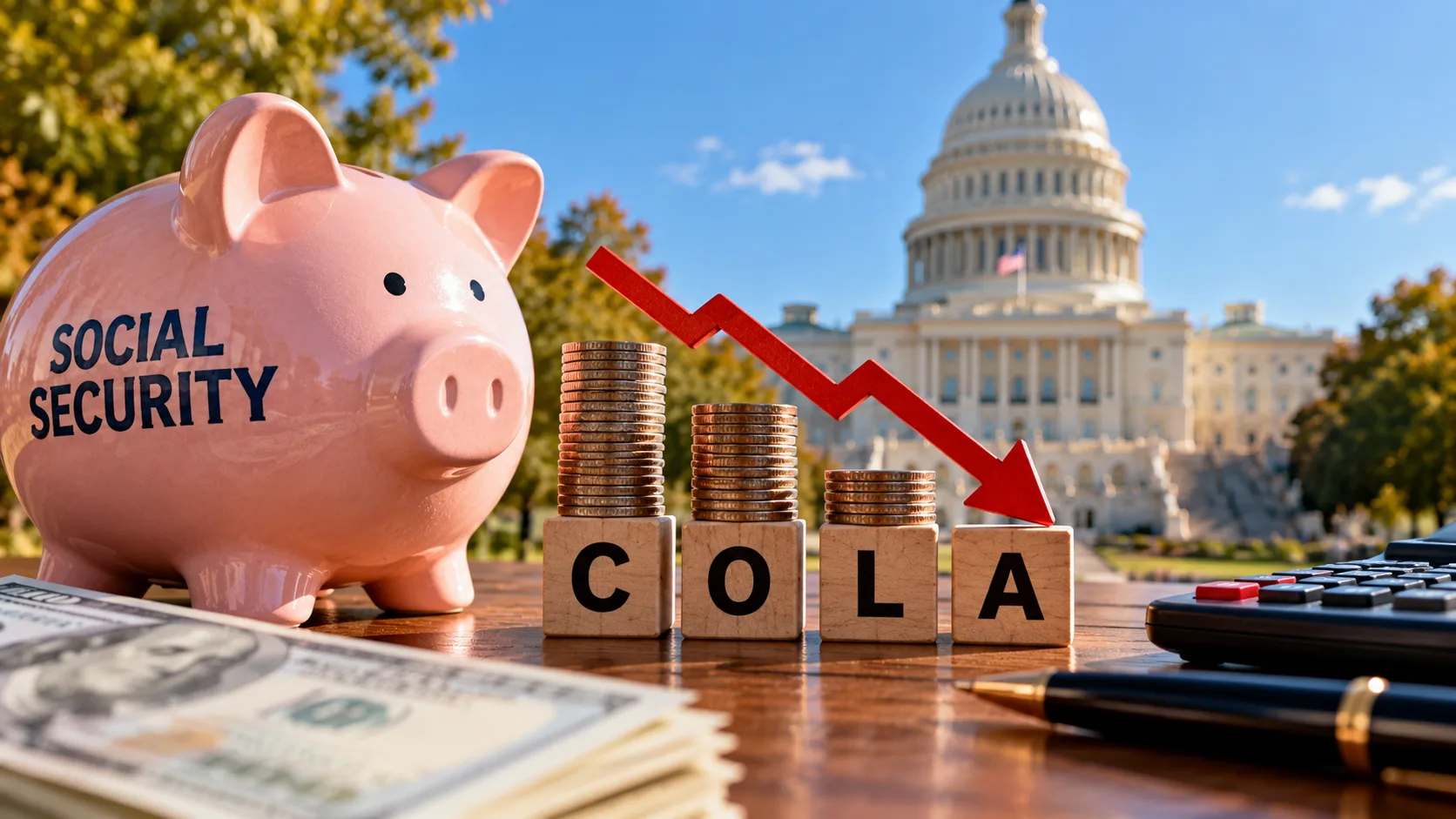
A federal shutdown that was once expected to last a few days has now stretched into its third week with no resolution in sight. Millions of Americans are bracing for higher healthcare premiums, federal services are disrupted, markets are watching uneasily, and yet the two parties in Congress are behaving as if gridlock is a strategic advantage.
For investors, this is no longer a background headline. It is a policy standoff that could reshape consumer spending, healthcare stocks, bond markets, and GDP projections heading into year-end. What makes this shutdown uniquely stubborn is not just ideological division. It is political calculation, uncertain leadership signals, and the delayed pain that has lowered the urgency to compromise.
Below is a breakdown of what is really happening in Washington, why both parties think they are winning, why the Affordable Care Act (ACA) subsidies are at the center of the standoff, and how investors should be positioning now.
Why No One Is Blinking
The government is now in its third full week without a funding deal. The House passed a short-term stopgap bill to keep operations going through November 21, but the Senate has blocked it repeatedly. Without 60 votes to advance the legislation, the measure is stalled.
Both parties insist they hold the stronger hand — and both are acting like it.
Sen. Angus King of Maine, who caucuses with Democrats, summed up the mood: “I think right now the problem is that both sides think they’re winning.”
Why Republicans Think the Pressure Will Shift
Republicans are pointing to precedent. For decades, short-term funding bills have been used to keep the government open while the long-term fights continue. They argue they are simply extending existing funding levels and Democrats are being hypocritical by blocking the same vehicle they have supported before. Republican leadership says they are willing to negotiate — but only after the government reopens.
Why Democrats Refuse to Give Ground
Democrats are zeroing in on one issue: the expiration of enhanced Affordable Care Act subsidies. These subsidies were expanded in 2021 under pandemic-era relief and are now used by more than 20 million Americans. Allowing them to expire would trigger steep increases in premiums, disproportionately hitting middle- and lower-income households — including voters in red states.
Senate Majority Leader Chuck Schumer believes the politics favor holding out. Democrats want the subsidies extended for at least a year and see no upside in reopening the government without a healthcare deal locked in.
Their messaging is disciplined: Republicans are refusing to prevent a healthcare crisis. That framing is resonating with the Democratic base and keeping negotiations frozen.
The Trump Factor: Influence Without Clarity
President Trump has met with top congressional leaders but has not thrown his weight behind any specific compromise. He has framed the shutdown as leverage, using it to freeze infrastructure and energy projects in blue states and accelerate plans to fire federal workers.
He has also been focused on securing the release of hostages in Gaza and recently traveled to Israel and Egypt. That diplomatic focus has left Congress without a clear signal from the White House on what kind of Affordable Care Act (ACA) or funding agreement the president would actually support.
Republican leaders privately acknowledge that without Trump’s explicit signoff, any deal risks collapsing in the House or Senate. Until he indicates which version of a compromise he would accept, leadership is hesitant to move first.
That uncertainty alone is prolonging the shutdown.
Affordable Care Act Subsidies: A Political Trap for the GOP
The most surprising twist in this standoff involves the Affordable Care Act (ACA) subsidies themselves. Since Democrats passed the enhancements in 2021, enrollment in ACA coverage has more than doubled, hitting around 24 million people this year.
According to KFF, over three-quarters of those enrollees live in states that voted for Trump. Many are small-business owners, rural residents, and working-class voters who rely on tax credits to make insurance affordable.
Republicans have spent more than a decade campaigning against Obamacare. In 2017, they came close to repealing it outright until Sen. John McCain cast the deciding vote against the effort. Republicans also opposed the subsidy expansion that Democrats passed in 2021.
But the map has shifted. Renewed premium spikes would now hit millions of voters in Southern and rural states who were not previously covered or subsidized. Democrats know this and are using it to box the GOP in. Republicans want to avoid being blamed for raising healthcare costs on their own voters, but they do not want to be seen as saving Obamacare either.
Investors in the healthcare space should watch this closely. Insurers that operate ACA marketplaces, such as Centene and Elevance Health, could face pricing volatility if subsidies lapse. Hospital systems and pharmaceutical companies could see shifts in coverage and utilization trends.
Why There Is Less Urgency Than You Think
This shutdown feels calmer than previous ones and that is part of the problem. The most painful consequences have been delayed or temporarily papered over.
Federal agencies have furloughed workers or put them on pay delay. But military servicemembers are still receiving paychecks because the administration reallocated funding to cover them. The WIC nutrition program for women and infants has also been kept afloat through internal transfers.
Millions of Americans are insulated for now. The lack of immediate pain has reduced pressure on lawmakers to compromise. House Speaker Mike Johnson has kept the House out of session since passing the short-term bill, a strategic move to force the Senate to act. On the other side of Capitol Hill, Senate Majority Leader John Thune has adjourned over weekends to avoid keeping lawmakers tethered to Washington.
Without missed mortgage payments, airport delays, or market disruptions, neither party feels the heat.
The Calendar Is About to Complicate Everything
The first meaningful deadline tied to the Affordable Care Act (ACA) comes on November 1, when policyholders can begin enrolling for 2026 coverage. If a subsidy deal is reached after that date, insurers can still update marketplace listings and consumers can change plan selections until December 15.
That means Washington technically has another month to fight before the consumer impact becomes impossible to ignore. Historically, Congress acts when deadlines collide with public outrage. Until then, investors should expect more posturing than policymaking.
Trust Is in Short Supply
Democrats have been openly skeptical of reopening the government before a healthcare deal is locked in. The distrust traces back to Trump’s Office of Management and Budget, led by Russell Vought. Democrats accuse the administration of repeatedly clawing back or withholding funds that were previously approved by Congress.
Their concern is straightforward: if they reopen the government with a handshake agreement on subsidies and then get double-crossed, they will have no leverage left.
Sen. Lisa Murkowski put it plainly when she told reporters, “If you’re a Democrat, you’re looking at it and you say, ‘Why am I going to try to be helpful if Mr. Vought at OMB is just going to do a backdoor move and rescind what we’ve been working on?’ ”
That lack of trust makes the Democratic demand — tie ACA subsidies directly to government funding — a red line rather than a bargaining chip.
Investor Takeaways: What to Watch and Why It Matters
This shutdown is not market-neutral. Underneath the partisan theater are real implications for sectors, spending trends, and federal policy risk.
1. Healthcare Stocks May Face Volatility
Insurers with ACA exposure could see enrollment changes or delayed premium approvals if subsidies remain unresolved. Pharmaceutical and hospital stocks could feel secondary effects tied to coverage and affordability.
Watch: Centene, CVS Health, UnitedHealth Group, Elevance Health.
2. Consumer Spending Could Weaken
Higher healthcare premiums would act like a stealth tax increase on millions of households. That could weigh on retail, travel, and discretionary sectors by early 2026 if subsidies are not extended.
3. Delayed Paychecks Could Hit Sentiment
Even though military and WIC funding has been patched temporarily, federal workers and contractors will eventually feel the pinch. Prolonged uncertainty affects consumer confidence and regional economies around D.C. and military hubs.
4. Treasuries and Bond Markets Are Sensitive
Past shutdowns and debt ceiling battles have led to short-term rate volatility. If investors perceive rising fiscal dysfunction, it could raise questions about Treasury operations and debt issuance timing.
5. Election-Year Messaging Shapes Policy
Democrats want to campaign on protecting healthcare access. Republicans want to frame themselves as fiscally responsible without alienating their base. This is not a policy fight, it is electoral positioning, and markets need to plan for noise and delay.
Affordable Care Act (ACA) Enrollment Growth Since Subsidy Expansion
Here is a snapshot of how policy exposure has grown since the enhanced subsidies began:
| Year | ACA Enrollment (Millions) | Notes |
|---|---|---|
| 2020 | ~11 million | Pre-pandemic baseline |
| 2021 | ~14 million | Subsidy expansion begins |
| 2022 | ~18 million | Enrollment surges |
| 2023 | ~21 million | Growth continues |
| 2024 | ~24 million | Record participation |
Source: KFF
This growth explains why Democrats feel confident holding the line and why Republicans face pressure even if they do not admit it.
Politics Colliding
This shutdown is not about spending cuts or budget math. It is about healthcare politics colliding with electoral strategy under a president who has not yet signaled his preferred outcome.
Markets have not priced in meaningful disruption because the pain has been delayed, but that is a false sense of stability. If negotiations stay frozen into November, expect headlines to turn into trading catalysts.
Investors should prepare for these scenarios:
- Short-term noise with limited direct impact: Markets shrug off headlines but specific sectors like healthcare see choppy sessions.
- Protracted shutdown with consumer fallout: Retail, travel, and discretionary stocks face headwinds if subsidies lapse.
- Late-session compromise that includes ACA deal: Healthcare stocks stabilize, but attention shifts to spending deadlines and deficit debates.
Now is the time to monitor companies with policy exposure, review consumer-sensitive positions, and stay alert to signals from the White House that could break the congressional deadlock.
What looks like a political stalemate is, in reality, a policy decision with direct winners and losers — and the market will eventually pick sides.
About Author