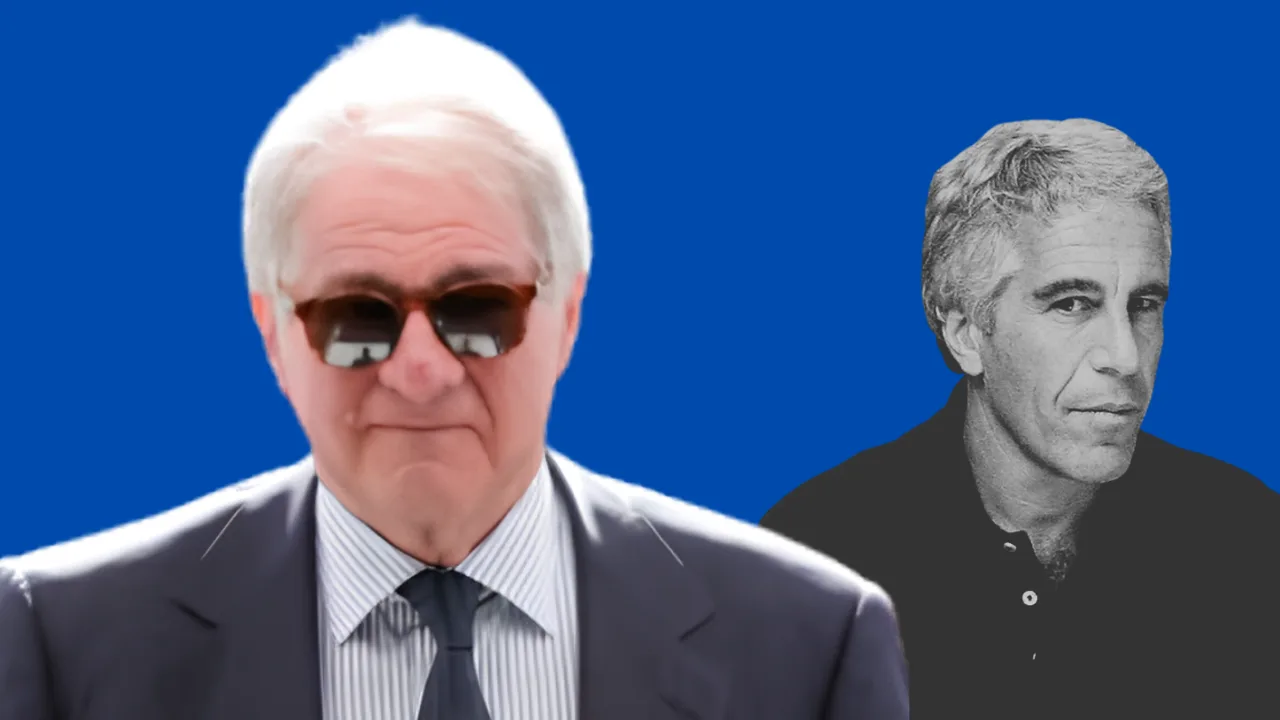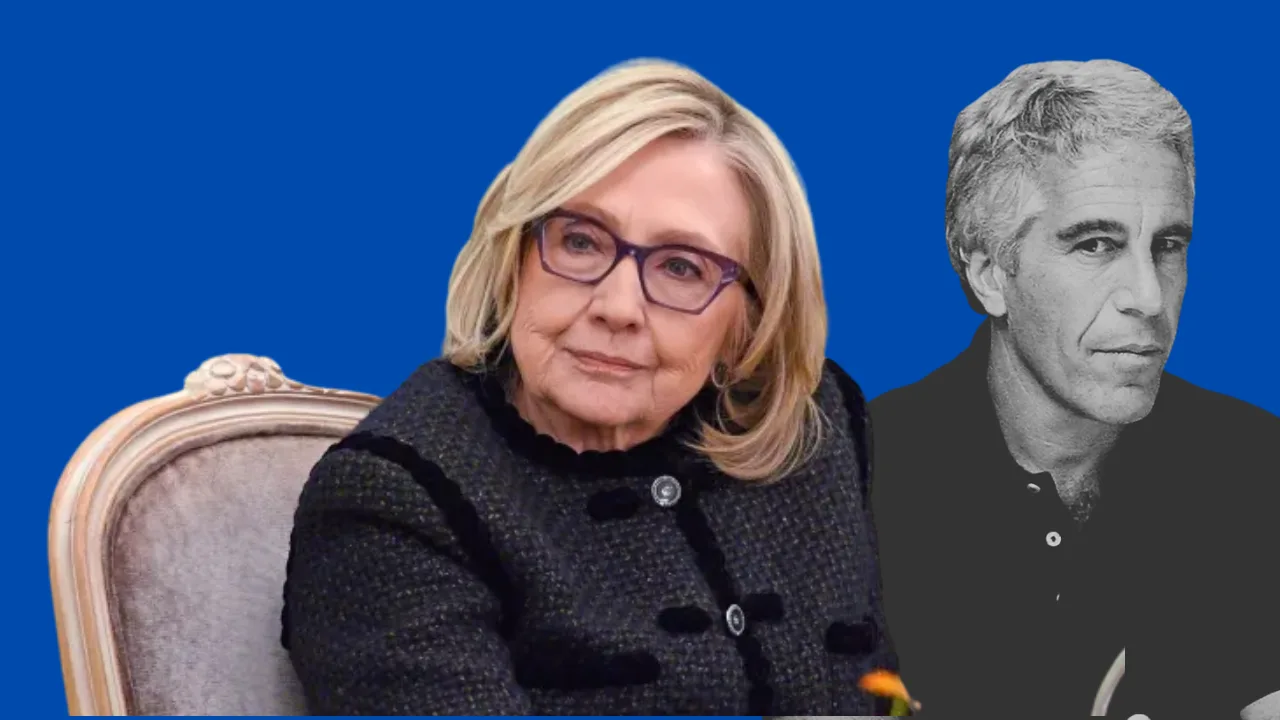
House Republicans intensified their long-running probe into the Jeffrey Epstein case this week, questioning former Secretary of State Hillary Clinton during a closed-door deposition that follows months of legal confrontation between Congress and the Clinton family. The testimony marks one of the most politically sensitive developments in the broader investigation into how federal authorities handled the Epstein case across multiple administrations.
The deposition took place Thursday near Clinton’s residence in Chappaqua, New York, and comes just one day before former President Bill Clinton is scheduled to testify before the same congressional panel. Together, the back-to-back depositions represent an unprecedented moment in modern political history, as both a former president and former first lady appear under subpoena in connection with a congressional investigation.
What Republicans Say They Are Investigating
Republican lawmakers leading the House Oversight Committee say their goal is to uncover unanswered questions surrounding Epstein’s relationships, influence, and the federal government’s handling of the case. Committee Chairman James Comer emphasized that the inquiry is not focused on accusing Hillary Clinton of wrongdoing but rather on gathering information that could shed light on unresolved issues.
“The American people have a lot of questions,” Comer said ahead of the deposition. “To my knowledge, the Clintons haven’t answered very many, if any, questions about their knowledge or involvement.”
Comer and other Republicans, including Reps. Nancy Mace and Lauren Boebert, have pushed aggressively for greater transparency in Epstein-related records. Lawmakers say they are examining prosecutorial decisions, potential political influence, and the circumstances surrounding Epstein’s death in federal custody in 2019 while he was awaiting trial on sex trafficking charges.
The investigation also includes scrutiny of Ghislaine Maxwell, Epstein’s longtime associate, who is currently serving a 20-year federal prison sentence for her role in recruiting and grooming underage girls.
Democrats Urge Caution and Evidence-Based Approach
While Republicans have pressed for answers, Democrats on the committee have emphasized that no evidence currently links Hillary Clinton to Epstein’s criminal activities. Rep. Robert Garcia, the top Democrat on the panel, stated that the committee must rely on verified facts rather than speculation.
“If she has any information that could be helpful to the investigation, we want to hear that,” Garcia said, while adding that the committee has “no evidence of her having any interactions with Mr. Epstein.”
Some Democrats have also warned that the investigation risks becoming politically motivated, particularly given the high-profile nature of the Clinton family and the timing of the proceedings.
The Clintons’ Position
The Clinton family has repeatedly denied having any knowledge of Epstein’s crimes. Their attorney, David Kendall, has stated that Hillary Clinton never traveled with Epstein, never visited his private island, and does not recall any personal communication with him.
Bill Clinton has acknowledged that he flew on Epstein’s private plane during humanitarian foundation trips in the early 2000s but maintains that he never visited Epstein’s island and had no awareness of his criminal behavior. In his memoir, Bill Clinton wrote that he “had no inkling of the crimes [Epstein] was committing.”
The Clinton camp has also pushed back on what they view as politically driven scrutiny. Supporters argue that both Clintons have already addressed their limited and indirect connections to Epstein and that the investigation is revisiting long-settled matters.
Why This Deposition Matters
The testimony is significant for several reasons. First, it signals that Congress continues to treat the Epstein case as an unresolved national issue, despite years of legal proceedings, criminal convictions, and document releases. Second, it shows bipartisan interest in reviewing how federal prosecutors handled Epstein’s 2008 nonprosecution agreement, a deal that has drawn criticism across party lines for allowing Epstein to avoid more severe consequences at the time.
Lawmakers are also reviewing recently released Justice Department files, which include references to Bill Clinton’s past interactions with Epstein. However, officials note that being mentioned in the documents does not indicate wrongdoing. Reviews of the records have not uncovered correspondence involving Hillary Clinton, though her name appeared in secondary materials such as news clippings found in Epstein’s files.
Another point of scrutiny involves Ghislaine Maxwell’s presence at Chelsea Clinton’s 2010 wedding, which committee members have referenced as part of the broader effort to map Epstein-related social networks. Maxwell attended as a guest of technology entrepreneur Ted Waitt, according to available records.
A Rare Congressional Moment
The dual testimony of Hillary and Bill Clinton is highly unusual and underscores the political and legal weight of the Epstein investigation. Congressional subpoenas for former presidents or first ladies are extremely rare, and the circumstances reflect how deeply the Epstein case has permeated American politics, law enforcement, and public discourse.
The deposition also echoes past congressional confrontations involving Hillary Clinton, including her widely publicized 2015 testimony regarding the Benghazi attack. Over the decades, the Clintons have faced multiple investigations, from Whitewater to the email server controversy, shaping their long and often contentious relationship with congressional oversight.
Broader Context of the Epstein Investigation
The committee’s inquiry is part of a wider national effort to reexamine Epstein’s network, the decisions made by federal prosecutors, and whether systemic failures allowed his crimes to continue for years. Lawmakers are reviewing actions taken by multiple administrations, not just one political party, in an attempt to determine whether legal or institutional reforms are necessary.
Since late last year, the Justice Department has released batches of previously sealed documents related to Epstein. These releases have fueled renewed public interest and prompted lawmakers to pursue additional testimony from high-profile figures mentioned in the records.
Despite the political tensions surrounding the investigation, both parties have expressed interest in ensuring that victims receive justice and that any failures in the system are addressed.
What Comes Next
Bill Clinton is scheduled to testify following Hillary Clinton’s deposition, and the committee is expected to continue reviewing witness testimony, federal records, and previously released documents. Lawmakers have indicated that additional hearings or document releases may follow depending on what information emerges from ongoing proceedings.
The outcome of the investigation remains uncertain. However, its political and legal implications are likely to extend well beyond the Clintons, touching on broader questions about prosecutorial accountability, transparency, and how powerful figures are investigated in high-profile criminal cases.
Sources
- AP News – Hillary Clinton testifies she has no information on Epstein’s crimes and can’t recall meeting him
https://www.apnews.com/article/299d82e8549f4d994dcb081c3876585c - CBS News – Hillary Clinton tells House committee she had “no idea” about Epstein’s criminal activities
https://www.cbsnews.com/news/hillary-clinton-epstein-house-oversight-committee-deposition/ - Reuters – Hillary Clinton faces congressional inquiry over Epstein
https://www.reuters.com/world/us/hillary-clinton-faces-epstein-congressional-inquiry-2026-02-26/ - The Guardian – Live coverage of Hillary Clinton’s deposition on Epstein
https://www.theguardian.com/us-news/live/2026/feb/26/us-politics-latest-news-hillary-clinton-jeffrey-epstein-donald-trump - Wikipedia – Epstein Files Transparency Act (law requiring DOJ to release Epstein-related documents)
https://www.govinfo.gov/link/plaw/119/public/38 - Wikipedia – List of people named in the Epstein files (context on the scale of the documents)
https://en.wikipedia.org/wiki/List_of_people_named_in_the_Epstein_files
About Author