Gold prices edged higher on Friday as geopolitical tensions in the Middle East continued to drive demand for safe haven assets. However, the metal remains on track for its first weekly decline in over a month as inflation concerns and rising oil prices reshape expectations for U.S. interest rate policy.
The competing forces of geopolitical risk and inflation expectations have left investors navigating a complicated landscape. On one hand, escalating military activity between Israel and Iran has fueled demand for gold as a defensive asset. On the other hand, surging energy prices and persistent inflation have dampened hopes that the Federal Reserve will begin cutting interest rates anytime soon.
For investors, the tug of war between these two forces is creating unusual volatility across commodities, currencies, and global equity markets.
Gold Edges Higher But Weekly Momentum Fades
As of Friday morning trading, spot gold rose about 0.3 percent to roughly $5,093 per ounce, while U.S. gold futures for April delivery climbed about 0.5 percent to around $5,102.
Despite the modest daily gain, gold remains down more than 3 percent for the week. That decline breaks a four week rally that had pushed the precious metal to fresh record highs earlier this year.
Even after the pullback, gold is still up more than 18 percent since the start of the year. The rally has been driven by several major forces including geopolitical instability, aggressive central bank gold purchases, and investor concerns about global debt levels.
According to analysts, the current market environment reflects a delicate balance between risk driven buying and macroeconomic pressures that could limit further gains in the near term.
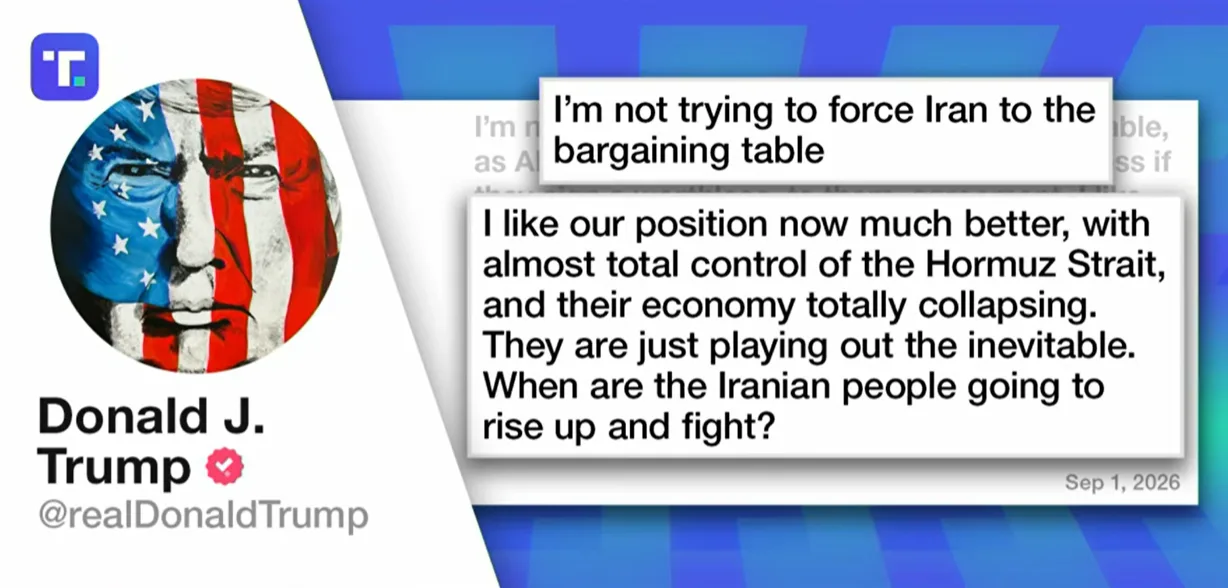
“Geopolitical risk remains a key factor supporting prices as hopes of a swift resolution in Iran do not appear forthcoming right now. However, upside potential is being capped by inflationary fears due to rising oil prices, (which have) strengthened the ‘higher-for-longer’ narrative regarding US interest rates,” said Zain Vawda, analyst at MarketPulse by OANDA.
That higher for longer narrative refers to the growing belief that the Federal Reserve may keep interest rates elevated well into 2026 in order to combat inflation.
Middle East Conflict Drives Safe Haven Demand
The biggest catalyst supporting gold this week has been the rapid escalation of military activity in the Middle East.
Israel reportedly launched extensive air strikes targeting Hezbollah controlled areas in the southern suburbs of Beirut while also initiating what officials described as a broad wave of attacks on infrastructure in Tehran.
Iran responded by launching missile strikes targeting what it described as strategic sites in Tel Aviv.
The exchange of attacks has rattled global markets and sparked fears that the conflict could expand across the region. Any broader escalation could disrupt energy markets and international shipping routes, both of which would have major economic consequences.
Historically, gold performs well during periods of geopolitical instability because investors seek assets that are perceived to hold value regardless of political or economic turmoil.
This safe haven dynamic has been visible in recent market activity. Each escalation in military activity has triggered immediate buying interest in gold, even as broader market sentiment remains volatile.
Oil Prices Surge and Complicate the Gold Outlook
While geopolitical tensions typically support gold prices, the surge in crude oil has created a competing force in the market.
Oil prices are currently on track for their largest weekly gain since February 2022 when Russia launched its full scale invasion of Ukraine. The spike in energy prices has revived fears that inflation could accelerate again globally.
Higher energy prices filter through the entire economy. Transportation costs rise, manufacturing becomes more expensive, and consumer prices tend to follow.
For central banks like the Federal Reserve, that creates a problem.
If inflation begins climbing again, policymakers may be forced to maintain high interest rates longer than investors previously expected.
This matters for gold because the metal does not generate income. Unlike bonds or savings accounts, gold does not pay interest or dividends.
When interest rates are high, investors often prefer income producing assets instead of gold. That dynamic tends to limit the metal’s upside potential.
Dollar Strength Adds Another Headwind
Another factor influencing gold this week has been the U.S. dollar.
While the dollar dipped slightly during Friday trading, it remains on track for its strongest weekly performance in more than a year.
A stronger dollar typically puts pressure on gold because the metal is priced globally in U.S. currency. When the dollar rises, gold becomes more expensive for international buyers using other currencies.
That dynamic can reduce demand from overseas markets, particularly large buyers such as China and India.
Still, the currency effect has not completely erased safe haven demand. Instead it has created a volatile environment where gold prices react sharply to both macroeconomic data and geopolitical headlines.
Federal Reserve Policy Remains the Key Variable
Beyond the Middle East conflict, the most important factor influencing gold prices over the coming months may be Federal Reserve policy.
The Fed is scheduled to hold its next policy meeting on March 18. Market expectations currently suggest policymakers will keep interest rates unchanged.
According to the CME FedWatch tool, investors see only a modest probability of rate cuts in the near term.
Persistent inflation has complicated the Fed’s policy outlook. Even though inflation has cooled from its peak in recent years, it remains above the central bank’s target level.
If rising oil prices begin pushing inflation higher again, the timeline for rate cuts could be pushed further into the future.
That scenario would likely create additional pressure on gold prices despite ongoing geopolitical tensions.
Labor Market Data Could Move Markets
Investors are also watching the U.S. employment report, which is expected to provide additional clues about the strength of the American economy.
Economists surveyed by Reuters expect nonfarm payrolls to increase by roughly 59,000 jobs in February.
A stronger than expected report could reinforce the argument that the Federal Reserve should keep interest rates elevated for longer.
Conversely, weaker labor market data might revive speculation that the Fed could begin easing monetary policy sooner than expected. That outcome would likely provide support for gold.
Employment data often triggers major moves across multiple markets including stocks, bonds, currencies, and commodities.
Global Physical Demand Shows Mixed Signals
Physical gold demand across Asia also provided mixed signals this week.
In India, the world’s second largest consumer of gold, demand softened as rising prices discouraged buyers. Jewelry retailers reported lower foot traffic and slower sales as consumers waited for price stability.
China presented a different picture.
Premiums in Chinese markets held firm as investment demand strengthened. Chinese investors have increasingly turned to gold as a hedge against economic uncertainty and weakness in the country’s property sector.
Central banks around the world also continue to accumulate gold reserves. Many governments view gold as a strategic asset that can help diversify reserves away from the U.S. dollar.
What It Means for Investors
For investors, the gold market is currently being pulled in two opposite directions.
Geopolitical instability is encouraging safe haven buying, while inflation concerns and higher interest rates are limiting the metal’s upside.
That dynamic could continue producing sharp price swings in the weeks ahead.
Several key factors will determine gold’s next major move:
• The trajectory of the Iran conflict
• Oil price trends and global inflation pressures
• Federal Reserve interest rate decisions
• Strength of the U.S. dollar
• Global economic growth signals
If geopolitical tensions escalate further, gold could quickly regain upward momentum. However, if inflation continues rising and central banks maintain high interest rates, the metal may struggle to extend its rally.
For now, gold remains one of the most closely watched assets in global markets as investors weigh the risks of war, inflation, and shifting monetary policy.
Sources
https://www.cmegroup.com/markets/interest-rates/cme-fedwatch-tool.html
About Author