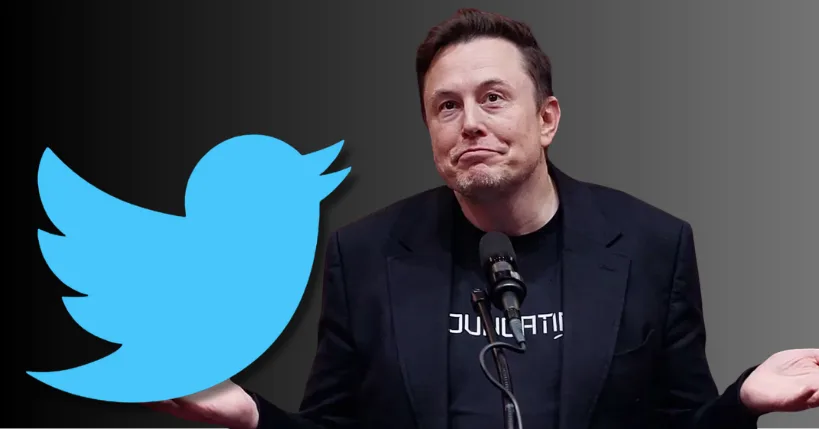
A San Francisco jury has found Elon Musk liable for misleading Twitter investors during the chaotic 2022 battle over his $44 billion takeover of the company, handing shareholders a major courtroom win and putting fresh legal pressure on one of the most market-moving figures in the world.
The verdict is a big story for more than just Musk and X. It lands at a time when investors are already weighing the risks tied to executive behavior, disclosure standards, social media-driven price swings, and whether celebrity CEOs can still move markets with loosely worded public statements and walk away clean. In plain English, this case is about whether one of the most powerful businessmen alive crossed a line from aggressive dealmaking into conduct that harmed shareholders. A jury just said he did, at least in part.
What the Jury Found
According to Reuters and the Associated Press, jurors found Musk liable for misleading investors during the 2022 Twitter takeover saga, specifically in relation to statements that suggested the deal was “temporarily on hold” and comments indicating the percentage of bots or fake accounts on Twitter might be far above the company’s public estimates.
That distinction matters. The jury did not fully endorse every accusation made by shareholders. AP reported that jurors cleared Musk on some parts of the broader fraud allegations, including the argument that he orchestrated an all-encompassing fraudulent scheme. In other words, this was not a total wipeout for Musk in court. But it was still a serious defeat. A jury concluded that some of his public comments were misleading enough to create legal liability and financial harm for investors.
That is the kind of verdict investors should pay attention to. It means the legal risk tied to executive speech is not theoretical. It can turn into billions in exposure.
Why Shareholders Sued
The lawsuit centered on a period in 2022 when Musk was trying to buy Twitter, then appeared to publicly cast doubt on the deal by raising questions about fake accounts, spam bots, and whether the company had accurately represented its business. Shareholders argued that Musk’s statements pressured Twitter’s stock lower at a critical time, hurting investors who sold shares during the uncertainty before the acquisition finally closed in October 2022.
This was not a minor fluctuation story. The trial focused on a very public and very unusual takeover fight involving one of the world’s richest men using his own platform to comment on an active acquisition target. Investors argued that those comments were not harmless opinions or negotiation tactics. They said the statements moved the market and cost ordinary shareholders real money. A jury has now largely agreed on that core point.
The “temporarily on hold” post became one of the most important pieces of evidence. When a deal of that size appears uncertain, the stock market reacts fast. In this case, the issue was whether Musk had a fair basis for saying what he said and whether those remarks misled market participants about the real status of the transaction. Reuters said the jury found liability on two key statements tied to that period.
Why This Is Bigger Than One Lawsuit
This verdict matters because Elon Musk is not just any executive. He is a repeat market mover. His words have influenced trading in Tesla, crypto, social media, artificial intelligence, and private space-related ventures for years. When someone with that level of influence is found liable for misleading investors, it sends a message well beyond X.
For years, bulls have argued that Musk’s unpredictability is part of the upside. He commands attention, drives narrative, and bends markets around his vision. Bears have long argued the other side: that this same unpredictability creates serious governance risk, legal risk, and valuation risk. This jury verdict gives the bear case more ammunition.
The deeper issue is trust. Public companies depend on investor trust in disclosures, management communication, and the integrity of market-moving statements. When a jury finds that a high-profile executive misled investors during a billion-dollar transaction, it reinforces a simple truth: charisma does not replace disclosure discipline.
What It Could Mean Financially
AP reported that shareholders were awarded roughly $2.6 billion, while Reuters said damages were estimated at around $2.5 billion, with further proceedings still relevant to the ultimate financial outcome. Musk’s legal team plans to appeal.
Even for a billionaire, that is not nothing. And even if the final amount changes through appeal or post-trial proceedings, the verdict itself has value as precedent and as a signal. It tells plaintiffs, regulators, and shareholder lawyers that courts may be more willing than some assumed to scrutinize highly visible executive speech and connect it to shareholder harm.
Investors should also understand that legal overhangs do not stay isolated. A major verdict can raise questions about management credibility, increase future litigation risk, and put added pressure on boards, lenders, insurers, and regulators. That does not automatically crush a company’s value. But it can change how risk gets priced.
The SEC Problem Is Still Out There
This jury verdict does not end Musk’s legal exposure tied to Twitter. Reuters separately reported that Musk has also been fighting an SEC lawsuit over his delayed disclosure of early 2022 Twitter stock purchases. In that case, the SEC alleges he waited too long to reveal that he had crossed the 5% ownership threshold, allowing him to keep buying shares at lower prices and save roughly $150 million. A judge in February refused to dismiss that case, and Reuters reported this week that Musk and the SEC were in settlement talks.
That matters because it shows the Twitter saga is still producing consequences on multiple fronts. One case is about what he said publicly during the takeover fight. The other is about what he allegedly failed to disclose in time while building his position. Together, they form a broader picture of regulatory and legal exposure tied to one of the most controversial corporate deals in recent memory.
For investors, the message is straightforward: legal risk often clusters. It rarely arrives alone.
What This Means for X
X is no longer a normal public-market stock story because it is no longer public. But that does not mean this verdict is irrelevant to the platform’s future. Quite the opposite. X remains tied to Musk’s broader empire, his reputation, and his dealmaking credibility. Reuters has also reported on the evolving structure around Musk’s companies, including the way X has been repositioned inside his wider business network.
That means damage to Musk’s legal standing can bleed into how investors, partners, advertisers, and counterparties think about X. If you are a lender, a private-market investor, or a strategic partner, you now have another reason to discount management credibility or to demand tougher protections. When a founder’s personal conduct becomes part of the investment thesis, court defeats matter.
What This Means for Tesla Shareholders
The company most public-market investors are likely to care about here is Tesla. Musk may have won prior high-profile cases involving Tesla-related statements, but this verdict reminds the market that legal outcomes are not always going to break his way. Reuters noted that this Twitter case is one more legal battle in a long-running pattern of courtroom scrutiny around Musk’s behavior and disclosures.
Tesla shareholders should think about this less as a direct earnings event and more as a governance signal. The market has historically tolerated an extraordinary amount of key-person risk around Musk because Tesla’s growth story was powerful enough to overshadow it. But over time, recurring legal hits can chip away at that tolerance.
There are at least three reasons Tesla investors should care:
First, repeated legal pressure can increase distraction risk. A CEO fighting major cases is not fully focused on operations.
Second, governance concerns can affect valuation multiples. Companies with high perceived governance risk often trade at a discount relative to what their growth alone might justify.
Third, every adverse legal finding makes it easier for future plaintiffs and critics to argue that the pattern matters.
That does not mean Tesla stock must fall because of this. Markets can shrug off almost anything in the short term. But long-term investors should not ignore the cumulative effect.
The Bot Issue Was Not Just a Sideshow
One reason this case got so much attention is that it revolved around bots, fake users, and the quality of Twitter’s user base. That sounds technical, but it goes to the heart of valuation. Social media companies are priced partly on audience quality, monetization potential, and advertiser trust. If a platform’s real user mix is weaker than advertised, investors and buyers care.
Musk argued for years that Twitter’s bot problem was worse than disclosed. Twitter maintained that fake accounts represented less than 5% of monetizable daily active users, though it also acknowledged the estimate could be wrong. Reuters reporting from 2022 documented how controversial and difficult that measurement was.
The jury’s verdict does not settle the bot question for all time. But it does suggest that whatever Musk believed privately, some of his public framing crossed a legal line in the eyes of jurors. That distinction matters. Executives can have opinions. What they cannot safely do is make materially misleading statements that distort markets and harm shareholders.
The Market Lesson: Words Are Capital
Investors sometimes treat executive communication as theater. This case is a reminder that executive speech is also capital. It can add billions in value, wipe out billions in value, or trigger billions in liability.
That lesson reaches far beyond Musk. In an era when CEOs post in real time, appear on podcasts, and move markets with a sentence, the line between commentary and disclosure keeps getting thinner. The more influential the executive, the more dangerous careless language becomes.
For boards and shareholders, that should translate into one practical takeaway: governance is not boring. It is part of risk management. If management communication is sloppy, impulsive, or strategically manipulative, investors eventually pay for it one way or another.
What Investors Should Watch Next
The next chapter is likely to center on appeals, damage calculations, and whether any additional settlements emerge from the Twitter-related legal mess. Reuters reported that Musk’s lawyers plan to appeal the verdict. The separate SEC case could also produce more headlines soon given the settlement talks reported this week.
Investors should watch four things from here:
One, whether the damages number holds up or gets reduced.
Two, whether the appeal changes the liability finding.
Three, whether the SEC case settles and on what terms.
Four, whether this verdict changes how the market prices Musk-related governance risk across Tesla and his private ventures.
Those are not side stories. They go directly to credibility, capital access, and future valuation.
Bottom Line
The headline is real, and it is a big deal. A jury found Elon Musk liable for misleading Twitter investors during the 2022 takeover fight, even though it stopped short of fully embracing every fraud allegation against him. That is still a serious loss, and it adds fresh pressure to an already messy legal record tied to one of the wildest deals in recent corporate history.
For investors, the main lesson is not just about Musk. It is about the growing cost of market-moving executive behavior when public statements and shareholder interests collide. In a market built heavily on narrative, this verdict is a reminder that narratives can turn into liabilities fast.
About Author