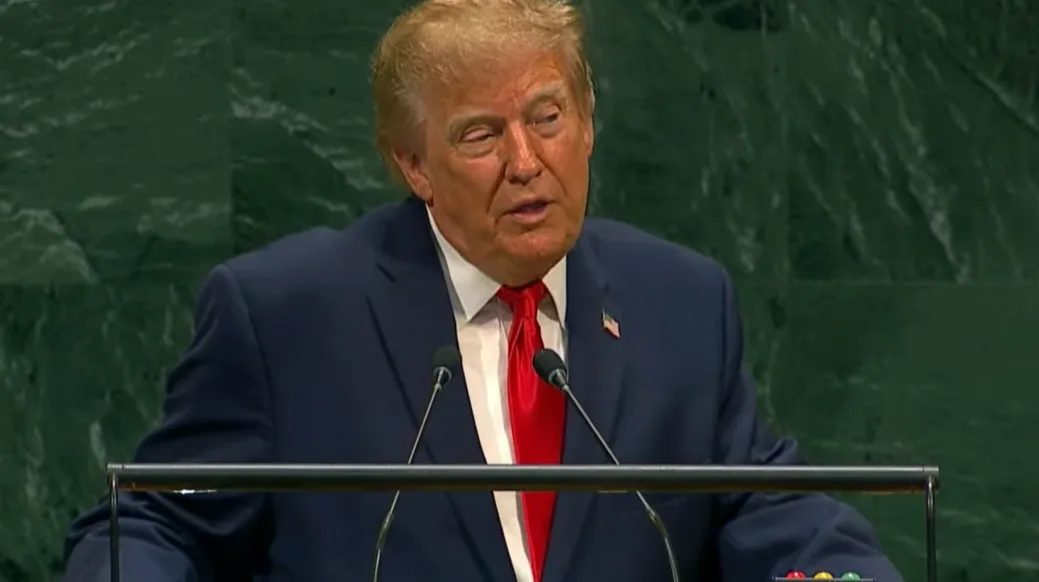
President Donald Trump said Monday that the United States will delay planned strikes on Iran’s power plants and broader energy infrastructure for five days, signaling at least a temporary shift away from immediate military escalation and toward a possible diplomatic opening.
The move came after Trump said Washington had held productive conversations with Tehran and remained focused on trying to reach a deal. In comments to CNBC’s Joe Kernen, Trump said the U.S. is “very intent on making a deal” with Iran, a notable statement given how quickly the conflict had been moving toward a potentially wider regional energy war.
That comment mattered because just days earlier, Trump had threatened severe consequences if Iran did not reopen the Strait of Hormuz, one of the most strategically important shipping lanes in the world. His administration had set a 48-hour deadline tied to the waterway’s disruption, with possible strikes on Iranian power facilities and energy-related assets hanging over the situation.
Now, at least for the moment, that timeline has been pushed back.
Why Trump’s Announcement Matters
This was not a routine policy adjustment. It was a direct response to a crisis that has already rattled global markets, disrupted energy flows, and raised fears of a broader economic shock.
Trump said in a Truth Social post that the U.S. and Iran had held “VERY GOOD AND PRODUCTIVE CONVERSATIONS REGARDING A COMPLETE AND TOTAL RESOLUTION OF OUR HOSTILITIES IN THE MIDDLE EAST.” Reuters and the Associated Press both reported that Trump tied the delay in strikes to those conversations and said talks would continue through the week.
That helped calm markets almost instantly. Oil prices fell sharply after the announcement, while stock futures moved higher and the U.S. dollar weakened against major currencies as traders interpreted the pause as a sign that a worst-case escalation may not happen immediately.
The key word there is immediately.
Because while Trump is now talking about diplomacy, nothing about this conflict looks settled.
Iran Is Publicly Denying Talks Happened
One of the biggest problems with the market’s relief rally is that the two sides are not even telling the same story.
Trump’s version is that meaningful discussions are happening and that some form of substantive breakthrough is possible. Iran’s public position is the opposite.
According to Reuters, Iranian state media, citing a senior security official, said there had been no direct or indirect negotiations with Washington. The official reportedly said, “There is been no negotiation and there is no negotiation,” while also warning that pressure tactics would not restore normal conditions in the Strait of Hormuz or stabilize energy markets.
The Associated Press separately reported that Iranian-linked outlets and officials also denied that negotiations had taken place.
That contradiction is important. Investors should not confuse a pause in military action with an actual diplomatic agreement. Right now, the White House is presenting momentum toward a deal, while Iran is publicly rejecting the idea that real talks are underway. That means the situation remains fragile and headline-sensitive.
The Strait of Hormuz Is Still the Core Economic Flashpoint
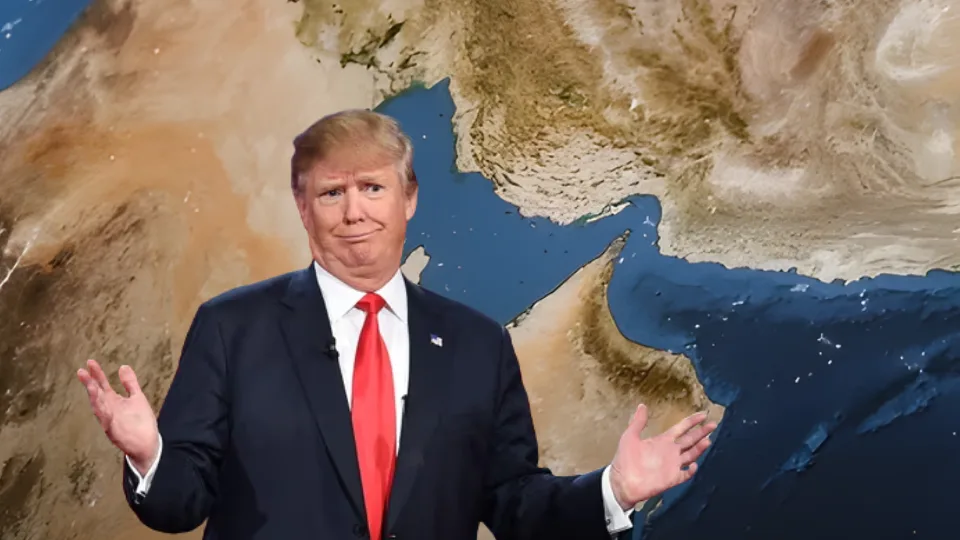
The real reason markets care so much about this story is the Strait of Hormuz.
This narrow waterway connects the Persian Gulf to the Gulf of Oman and the Arabian Sea. It is one of the most critical maritime chokepoints in the global economy because a huge share of the world’s oil and liquefied natural gas normally moves through it.
When shipping through Hormuz is disrupted, the impact is not isolated to the Middle East. It spreads rapidly into oil prices, shipping costs, fuel inflation, industrial input costs, airline economics, chemicals, fertilizer, and consumer prices.
Trump’s earlier threat had centered on forcing Iran to reopen the strait or face strikes on critical power infrastructure. Reuters reported that Iran’s Revolutionary Guards warned they would completely close the strait if Trump carried out threats against Iranian energy assets.
That is why this latest pause matters. It reduces, at least temporarily, the chance of an immediate direct hit on infrastructure that could trigger an even bigger regional retaliation cycle.
But that does not mean shipping conditions are back to normal. The broader disruption remains real, and energy traders know it.
Iran’s Threats Raised the Stakes Further
The pause also followed explicit Iranian warnings that any attack on its power plants would trigger retaliation against infrastructure across the region.
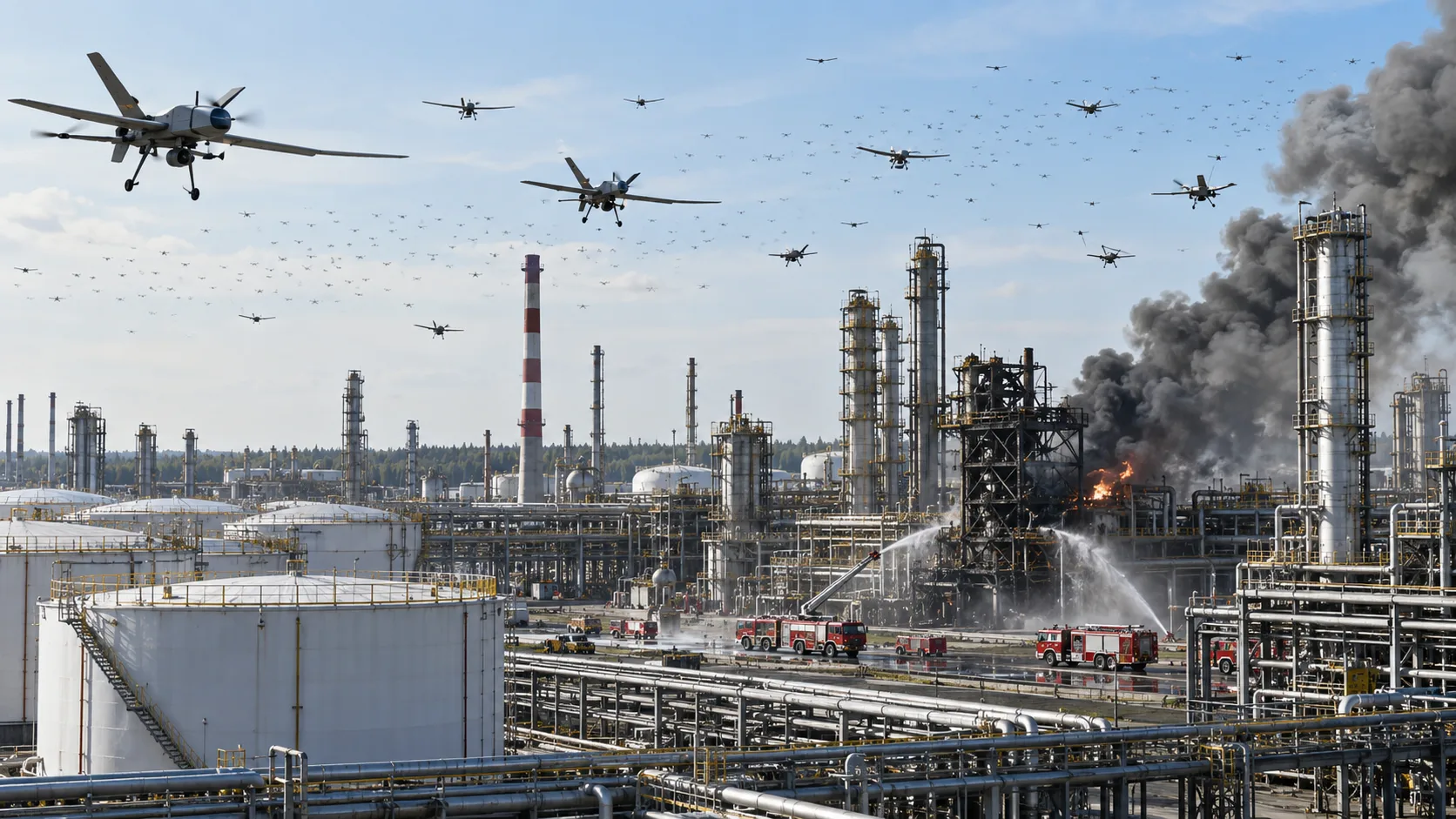
Reports on Sunday said Iran had threatened to destroy energy and desalination facilities in countries hosting U.S. military assets if its own power infrastructure were targeted. That was not a vague threat. It was aimed at the broader Gulf energy system.
That matters because a regional infrastructure war would be a much larger economic event than a one-off military strike.
A conflict that moves from missile exchanges and military sites into electricity grids, export terminals, refineries, water systems, and shipping corridors becomes an inflation story, a recession story, and potentially a global supply-chain story all at once.
That is exactly why markets have been swinging so violently on every new headline.
The Energy Shock Is Already Bigger Than Many Investors Realize
This is not just about what could happen next. There is already real damage in the system.
The International Energy Agency’s executive director, Fatih Birol, warned Monday that the global economy faces a “major, major threat” from the war and said current oil and gas losses have exceeded some of the worst historical energy disruptions. According to the AP, Birol said oil losses have already topped 11 million barrels per day and gas supply losses have reached roughly 140 billion cubic meters.
That is a massive number.
It means the market is no longer pricing a hypothetical risk alone. It is now reacting to an active supply shock with real economic consequences.
Reuters also reported Monday that Saudi Aramco is cutting crude supplies to Asian buyers for a second straight month as Hormuz-related disruptions alter logistics and export patterns.
At the same time, Reuters reported that ADNOC Gas in the UAE has adjusted LNG and liquids output because of shipping disruption tied to the conflict.
That is the kind of detail investors should focus on. Once large energy producers begin adjusting flows, export routes, and output patterns, the market is dealing with more than fear. It is dealing with stress inside the actual supply chain.
Why Oil Fell Anyway
At first glance, oil falling on this news may seem strange.
After all, the Strait of Hormuz remains unstable, Iranian threats remain active, and the broader conflict is unresolved. So why would crude tumble?
Because markets had been pricing in the possibility of an immediate new escalation from the U.S., especially direct strikes on Iranian power infrastructure. Trump’s decision to delay those strikes reduced the odds of a near-term energy escalation spiral and gave traders a reason to unwind some risk premium. Reuters, AP, and the Washington Post all described a market rally paired with a sharp drop in oil following the announcement.
In other words, oil fell not because the crisis is over, but because one particularly dangerous next step was postponed.
That distinction matters.
A delay is not peace. It is simply a lower-temperature phase in a still-burning crisis.
What Investors Should Watch Next
For investors, the next few days matter a lot more than the last few hours.
Here are the major things that need to be watched closely:
First, look for evidence of actual talks. Trump says conversations are happening. Iran denies it. Markets will eventually want proof. Without signs of a real channel, this relief move could reverse quickly.
Second, watch whether shipping through Hormuz improves in any meaningful way. If traffic remains paralyzed or highly restricted, energy markets will stay unstable even without fresh strikes.
Third, monitor statements from Gulf producers and major importers. When companies and governments start rerouting cargoes, cutting exports, or adjusting output, that is often a stronger signal than political rhetoric.
Fourth, keep an eye on inflation-sensitive sectors. Airlines, transports, chemicals, industrials, agriculture, and consumer staples can all react fast when energy costs surge or supply chains tighten.
Fifth, pay attention to whether Trump’s five-day pause actually leads to de-escalation or simply resets the deadline for another confrontation.
That last point is the most important.
If no diplomatic progress is made, the market could be facing the same threat again in less than a week.
The Bigger Market Message
The broader lesson here is that geopolitical risk can move markets just as hard as earnings, inflation prints, or Federal Reserve policy when it directly threatens the global energy system.
This episode is a reminder that investors cannot treat the Middle East only as background noise when the Strait of Hormuz is involved. When that corridor is under pressure, the implications reach into nearly every asset class.
Monday’s rally was real, but it was driven by reduced fear, not resolved risk.
Trump’s decision to postpone planned strikes on Iran’s energy infrastructure bought time. It may also have opened a narrow diplomatic window. But until there is clear evidence of actual negotiations, safer shipping conditions, and a decline in retaliatory threats, this remains a live crisis with the power to swing oil, stocks, currencies, and inflation expectations in both directions.
For now, the White House says it wants a deal. Tehran says there is no negotiation. Markets are betting that a pause is better than escalation.
They may be right in the short term.
But they are not betting on certainty.
They are betting on hope.
About Author