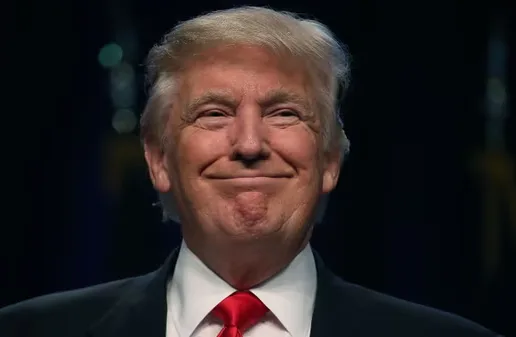
President Donald Trump arrived in Europe on Monday carrying what could become one of the most consequential foreign policy agreements of his presidency—and one of the most controversial.
Just days after announcing a surprise interim peace deal with Iran aimed at reopening the Strait of Hormuz and pausing hostilities for at least 60 days, Trump now faces a new challenge: convincing America’s allies that the agreement can actually work.
The deal is expected to dominate discussions at this week’s Group of Seven (G7) summit in Evian-les-Bains, France, where world leaders were originally scheduled to focus on trade, technology, and economic growth.
Instead, nearly every conversation is expected to revolve around Iran, Middle East stability, and the future of one of the world’s most important energy corridors.
For investors, the outcome could determine the direction of oil prices, inflation expectations, global shipping costs, and geopolitical risk premiums for months to come.
Markets Have Celebrated, But Questions Remain
Financial markets have responded positively to the announcement.
Oil prices retreated sharply after fears of a prolonged conflict in the Persian Gulf eased. Global equity markets rallied on hopes that the Strait of Hormuz—the critical waterway through which roughly one-fifth of the world’s oil supply passes—will soon return to normal operations.
But behind the optimism lies a significant problem.
Few people outside the negotiating teams actually know what is in the agreement.
Several G7 officials privately acknowledged they have not yet reviewed the memorandum of understanding that forms the basis of the deal. Despite offering public congratulations, many leaders are relying on assurances from Washington, Tehran, and mediator Pakistan that the framework is legitimate and enforceable.
That uncertainty is expected to become a major focus of this week’s meetings.
Vice President JD Vance indicated Monday that negotiators hope to release the text of the agreement before a planned signing ceremony in Switzerland later this week.
Until then, investors and foreign governments are operating with limited information.
The Strait of Hormuz Is the Immediate Prize
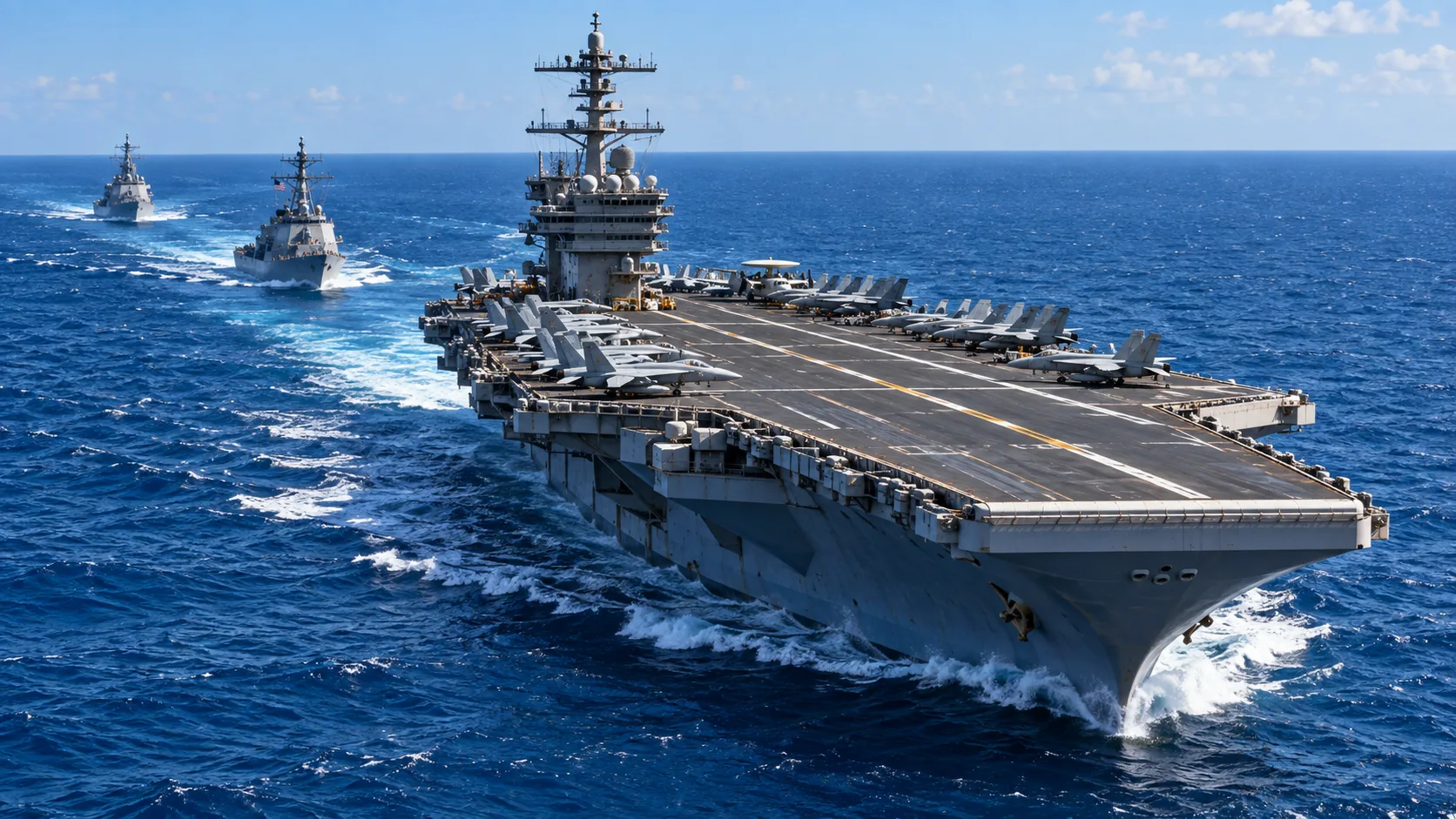
The most important near-term objective of the agreement appears to be reopening the Strait of Hormuz.
The narrow shipping lane serves as one of the world’s most critical energy chokepoints. Any disruption can send oil prices soaring and ripple through the global economy.
Trump has framed the agreement as a pathway toward restoring unrestricted shipping while reducing the risk of military escalation.
According to administration officials, technical negotiations over the next 60 days will determine exactly how maritime traffic is protected and monitored.
Vance suggested that negotiators expect the waterway to remain open on a toll-free basis for the long term, but acknowledged that many implementation details remain unresolved.
For global markets, that may be the single most important issue.
A sustained reopening of the strait could remove one of the largest geopolitical threats hanging over energy markets this year.
Nuclear Questions Have Been Delayed, Not Solved
While the ceasefire and shipping provisions have drawn headlines, the most difficult issue remains unresolved.
Iran’s nuclear program.
The agreement appears designed primarily to stop active fighting and create space for a second phase of negotiations focused on Tehran’s stockpile of highly enriched uranium.
How that material would be destroyed, transferred, diluted, or monitored remains unclear.
Administration officials have repeatedly stated that Iran will ultimately have to surrender its ability to produce nuclear weapons.
Iranian officials have offered a different interpretation, suggesting sanctions relief and access to frozen assets should come first.
Those competing narratives have fueled concerns that the hardest negotiations still lie ahead.
Investors should recognize that while markets are celebrating a diplomatic breakthrough, the agreement does not appear to represent a final settlement.
Rather, it creates a temporary framework that postpones many of the most contentious issues.
Israel Emerges as a Potential Wild Card
One of the biggest risks to the agreement may come from America’s closest Middle Eastern ally.
Israeli Prime Minister Benjamin Netanyahu is reportedly seeking an urgent meeting with Trump following the announcement.
Israel has long opposed agreements that focus narrowly on Iran’s nuclear activities while leaving Tehran’s regional network of militias and missile programs intact.
Those tensions became more visible over the weekend when an Israeli strike in Beirut threatened to complicate negotiations just as the agreement was nearing completion.
Trump publicly criticized Israel’s military actions, creating a rare point of friction between Washington and Jerusalem.
Meanwhile, Israeli Defense Minister Israel Katz indicated Monday that Israeli forces would continue operations against Hezbollah in Lebanon.
That position could create new challenges for a ceasefire framework that depends on broader regional stability.
Investors should watch developments involving Israel carefully.
Any renewed escalation involving Hezbollah or other Iranian-backed groups could quickly undermine confidence in the agreement.
Congress Signals a Fight May Be Coming
Even if international allies embrace the agreement, Trump may face resistance at home.
Lawmakers from both parties are already preparing to scrutinize the deal’s details once they become public.
While many Democrats welcomed efforts to reopen the Strait of Hormuz and reduce the risk of war, some Republicans have expressed reservations about the framework.
South Carolina Senator Lindsey Graham emphasized that any nuclear agreement with Iran will ultimately face congressional review and voting requirements under existing U.S. law.
That means the political battle surrounding the deal may only be beginning.
If Congress becomes deeply divided over the agreement, markets could face another round of uncertainty later this year.
Why Investors Should Pay Attention
The G7 summit is shaping up to be much more than a diplomatic gathering.
It may become the first major test of whether Trump’s Iran agreement can survive contact with skeptical allies, regional rivals, and domestic political opposition.
Several critical questions remain unanswered:
- Will the Strait of Hormuz fully reopen?
- Can Iran’s nuclear stockpile be neutralized peacefully?
- Will Israel support or resist the framework?
- Can Congress approve the final arrangement?
- Will global shipping companies return to normal operations?
The answers could have major implications for oil prices, inflation, defense stocks, energy markets, and overall investor sentiment.
For now, markets are celebrating the possibility of peace.
But as world leaders gather in France, the focus is shifting from headlines to details.
And those details may determine whether this agreement becomes a historic diplomatic breakthrough—or merely a temporary pause in a much larger conflict.
What Comes Next
Negotiators are expected to spend the week refining technical aspects of the agreement ahead of a planned signing ceremony in Switzerland on Friday.
The next 60 days will likely determine whether the framework evolves into a lasting settlement or begins to unravel under competing demands from Iran, Israel, Congress, and America’s allies.
For investors, the G7 summit could provide the first meaningful clues about which path is more likely.
Until then, markets may continue pricing in optimism while waiting for the world to finally see the deal everyone is talking about.
About Author