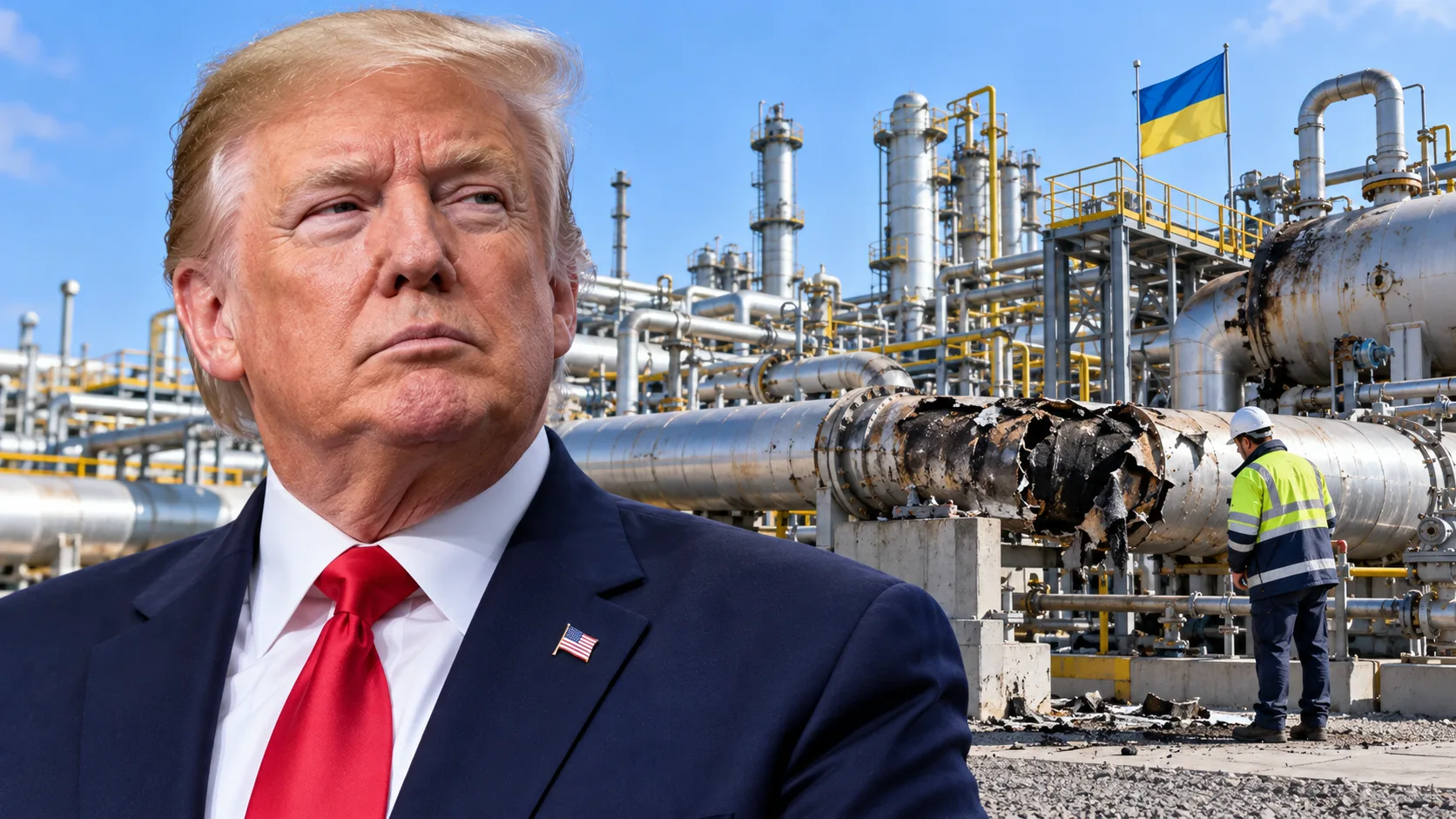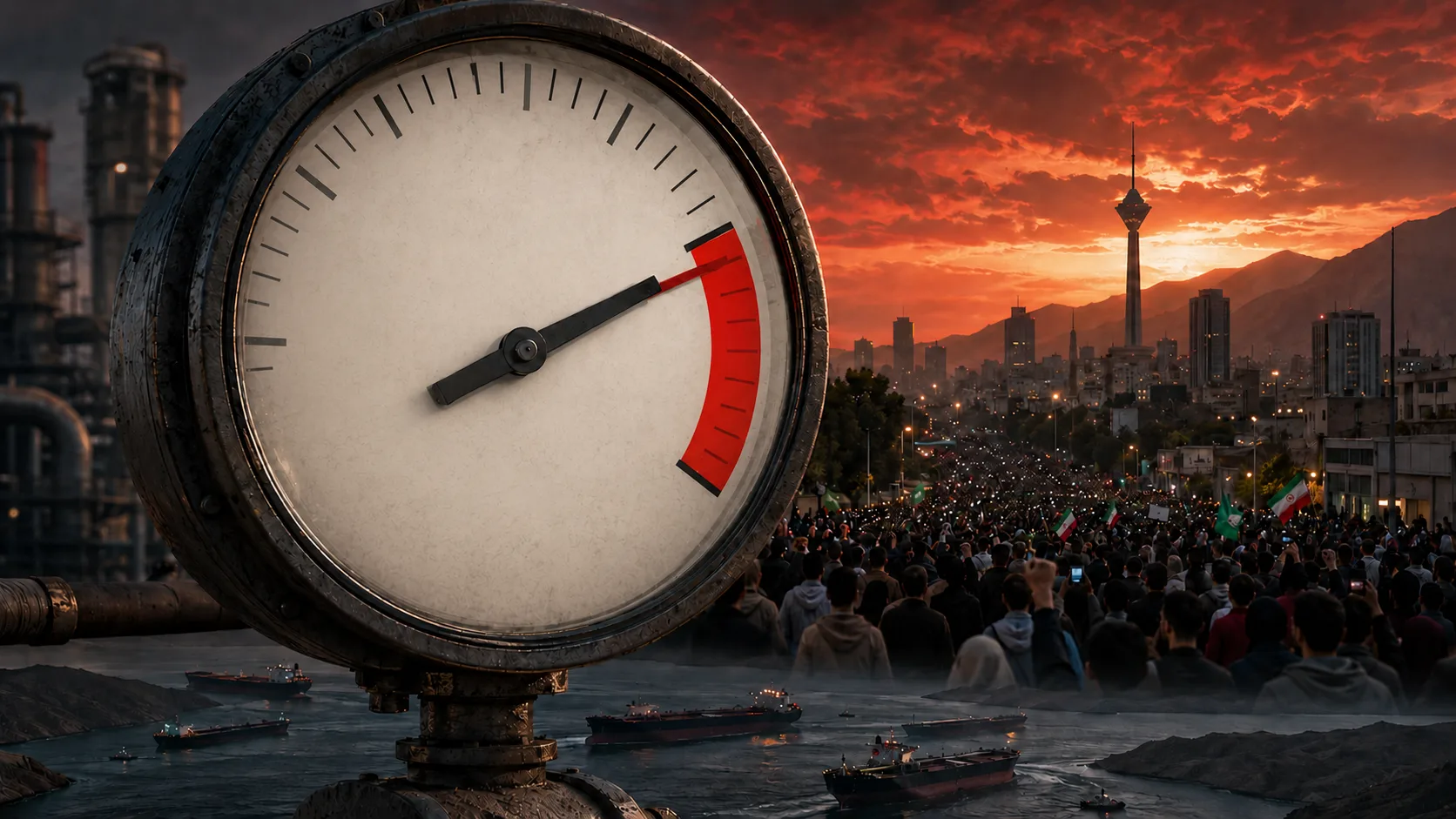
The Trump administration is attempting to financially isolate Iran at the same moment military pressure and public anger are intensifying. If the strategy works, Tehran could lose the money it needs to fund its military and regional proxies. It could also make the regime more dangerous in the short term.
Washington Is Targeting Iran’s Remaining Economic Lifelines
The Treasury Department launched Operation Economic Outcast on August 24 at the direction of President Donald Trump, opening a sweeping new phase of the campaign against Iran.
Treasury Secretary Scott Bessent described the initiative as an effort to sever the financial connections sustaining the Iranian government, the Islamic Revolutionary Guard Corps and Iran’s overseas operations.
The initial measures included sanctions against nearly 60 individuals, entities and vessels tied to nuclear and missile procurement, cyber operations and oil-revenue networks.
Treasury also expanded its ability to impose secondary sanctions on foreign companies and financial institutions involved in five sectors of Iran’s economy:
- Digital assets
- Technology
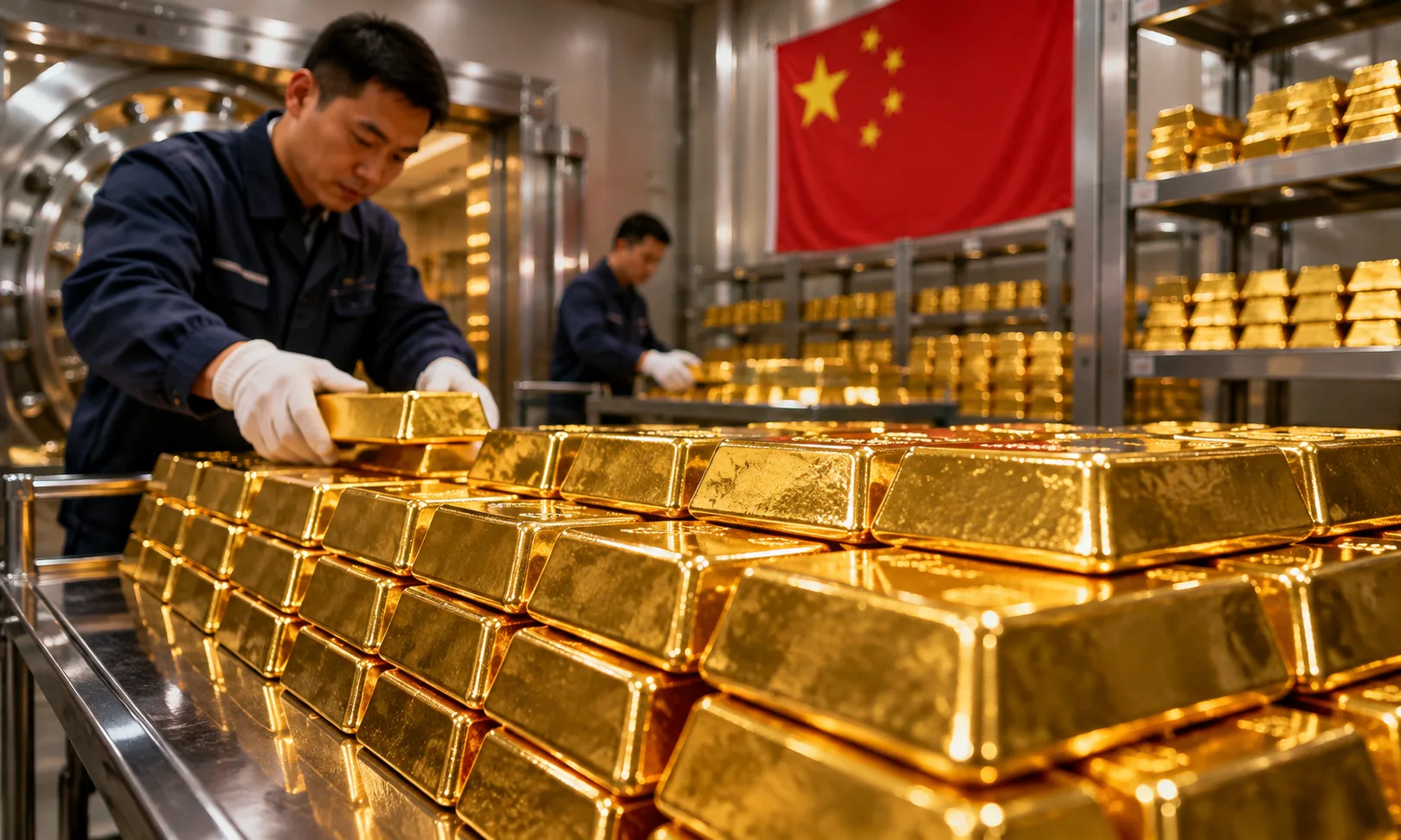
- Gold
- Aviation
- Shipping
Those categories reveal the scope of the operation. Washington is pursuing the infrastructure Iran uses to collect, conceal and move money across borders.
Foreign banks that process Iranian transactions could lose access to the U.S. financial system. Shipping companies, insurers, ports, technology suppliers, cryptocurrency intermediaries and commodity traders could face similar consequences.
Every business connected to Iran must now calculate whether the relationship is worth risking access to the dollar-based financial system.
For most legitimate international companies, that calculation will be easy.
Iran’s Real Vulnerability May Be Inside the Country
The immediate objective is to reduce the regime’s revenue. The larger strategic goal may be to weaken Tehran’s ability to maintain control at home.
Kasra Aarabi, director of IRGC Research at United Against Nuclear Iran, believes economic pressure could reignite public unrest following the mass protests that erupted earlier in 2026.
“Anger is simmering just below boiling point,” Aarabi told FOX Business. “And these economic measures, that tightening the economic noose, could take it to boiling point.”
That warning identifies the regime’s most dangerous feedback loop.
Lower export revenue leaves Tehran with less money to pay military personnel, security forces, government workers and politically connected institutions. Inflation and shortages increase public frustration. Delayed salaries can weaken loyalty among the people responsible for suppressing demonstrations.
Economic sanctions rarely produce immediate political change. Their power comes from forcing a government to make increasingly painful decisions about who gets paid, which imports receive priority and where scarce resources are deployed.
Iranian leaders have consistently prioritized military spending and regime survival. As revenue declines, ordinary citizens are likely to absorb much of the economic damage. That could deepen resentment toward the government, especially if the public believes political elites and IRGC-linked businesses remain protected.
Aarabi said the regime especially fears widespread protests while U.S. military forces are positioned nearby.
“The regime wants to absolutely avoid a situation whereby protests take place against it, and the U.S. has military assets in the region,” he said. “Because it fears, the one thing it fears the most, is protests with air cover.”
The scenario remains speculative. Still, it helps explain why the administration is combining financial pressure with a visible military presence.
Sanctions can drain the regime’s resources. Military power can limit its options. Internal protests could then create a crisis Tehran cannot easily solve with force, patronage or foreign support.
The Pressure Campaign Reaches Far Beyond Iran
Operation Economic Outcast will succeed only if Washington can disrupt the international networks that help Iran evade existing restrictions.
Iran has spent years developing a parallel trading system built around intermediaries, front companies, ship-to-ship oil transfers, foreign-owned tankers, exchange houses and transactions conducted outside traditional dollar channels.
Some of these networks are difficult to target because the participants operate across multiple jurisdictions. Vessels can change names, flags and ownership records. Oil cargoes can be relabeled or blended. Payments can move through local currencies, gold, cryptocurrency or loosely regulated intermediaries.
Treasury’s expanded secondary-sanctions authority is designed to make those workarounds more expensive.
United Against Nuclear Iran has proposed targeting Iran’s entire “Ghost Armada,” including shipowners, captains, crews, insurers, ports and service providers. The organization also recommends sanctions against foreign banks and exchange houses that convert Iranian energy revenue into usable currency.
The pressure could eventually reach Chinese refiners, Turkish intermediaries and companies in other countries that purchase Iranian products or facilitate settlement.
That is where the campaign could collide with broader global trade.
Aggressive enforcement against companies connected to China could produce diplomatic retaliation, disrupt commodity flows or add friction to negotiations between Washington and Beijing. Secondary sanctions can isolate Iran, but their extraterritorial reach may also create disputes with countries that reject U.S. control over their commercial relationships.
Investors should pay attention to enforcement activity outside Iran. The countries, banks and shipping networks Washington targets next will reveal whether Operation Economic Outcast is primarily a sanctions expansion or a genuine effort to impose global economic isolation.
The Market Consequences Could Spread Quickly
Oil Carries the Largest Immediate Risk
Iran’s direct oil exports are only one piece of the energy story. The larger threat comes from the Strait of Hormuz.
The U.S. Energy Information Administration estimated that approximately 20 million barrels of oil per day moved through the strait in 2024, equal to roughly 20% of global petroleum liquids consumption. Few practical alternatives exist for moving much of that supply.
That makes even a temporary interruption financially significant.
An attack on a tanker, a mining incident, a military confrontation or a sharp rise in insurance costs could push oil prices higher before any measurable supply shortage develops. Energy markets price expected availability, transportation risk and the possibility of escalation.
Oil producers outside the affected region could benefit from a sustained geopolitical premium. Airlines, transportation companies, chemical manufacturers and other fuel-intensive businesses would face higher costs.
Shipping and Insurance May React Before Crude Prices
A vessel does not need to sink for the market to feel the consequences.
The reported disabling of a tanker in the Strait of Hormuz after it was struck by an unknown projectile illustrates how quickly risk can spread through commercial shipping. Vessel operators may demand higher rates, insurers may increase war-risk premiums and crews may become reluctant to enter dangerous waters.
Those expenses eventually reach refiners, manufacturers and consumers.
Investors focused only on the daily price of crude could miss the early signals appearing in tanker rates, marine insurance, shipping delays and port activity.
Inflation Could Complicate the Interest-Rate Outlook
A sustained increase in energy prices would arrive throughout the economy.
More expensive oil raises transportation, manufacturing, agricultural and distribution costs. Businesses may absorb some of that increase through lower margins, but prolonged pressure usually reaches consumer prices.
That could make the Federal Reserve more cautious about cutting interest rates, especially if inflation expectations begin moving higher.
The chain is straightforward:
Hormuz disruption → higher oil and shipping costs → renewed inflation pressure → fewer or later rate cuts → pressure on rate-sensitive assets
Growth stocks, real estate, small-cap companies and heavily indebted businesses could become vulnerable if investors begin pricing a higher-for-longer rate environment.
Defense and Cybersecurity Could See Greater Demand
Treasury’s sanctions also target an Iranian cyber group accused of compromising U.S. critical infrastructure and conducting financially motivated theft.
Economic pressure can increase the incentive for cyber retaliation because it offers Tehran a way to impose costs without committing to a conventional military confrontation.
That raises the strategic value of cybersecurity spending across energy, finance, transportation and government infrastructure. Defense contractors and intelligence providers could also benefit if the confrontation requires a prolonged U.S. military presence in the region.
Cryptocurrency Faces a New Compliance Test
Treasury specifically identified digital assets as a sector Iran has used for sanctions evasion.
That creates greater scrutiny for cryptocurrency exchanges, stablecoin issuers, payment providers and wallet-screening companies. Platforms that fail to identify sanctioned activity could face enforcement risk, while compliance and blockchain-analysis providers may see stronger demand.
The development does not automatically weaken the broader cryptocurrency market. It does increase the cost of operating within it, particularly for companies serving customers across jurisdictions with limited financial transparency.
A Weakened Regime Can Become More Dangerous
The optimistic case assumes that financial pressure steadily reduces Iran’s ability to fund the IRGC, Hezbollah, Hamas, the Houthis and allied militias in Iraq.
That outcome could reduce Tehran’s regional reach over time.
The near-term path may be far less orderly.
A regime facing shrinking revenue, military pressure and domestic unrest has incentives to demonstrate strength. Tehran could intensify tanker attacks, use proxy groups, conduct cyber operations or create uncertainty around the Strait of Hormuz.
Such actions could raise oil prices and impose economic costs on the countries enforcing sanctions. They could also help Iranian leaders redirect public anger toward an external enemy.
This creates a paradox for markets: evidence that the sanctions are working may initially increase geopolitical risk.
Falling Iranian revenue, delayed government salaries and growing protests would signal that pressure is reaching the regime. They could also indicate that Tehran is approaching the point where retaliation becomes more attractive.
Investors should therefore avoid treating Iranian economic weakness as an automatic sign of lower market risk.
Five Signals That Will Show Whether the Strategy Is Working
The next stage of Operation Economic Outcast can be evaluated through five measurable signals.
1. Foreign Bank Enforcement
Watch for sanctions against banks, exchange houses and payment intermediaries outside Iran. Actions involving major trading partners would show that Washington is willing to impose costs on third countries.
2. Tanker and Insurance Activity
Higher tanker rates, canceled voyages, flag changes and rising war-risk premiums would indicate that the campaign is disrupting Iran’s maritime networks and increasing regional risk.
3. Chinese Compliance
China’s response may determine the operation’s economic impact. Reduced purchases or tighter enforcement by Chinese financial institutions would represent a major victory for Washington. Continued buying through smaller refiners would expose the campaign’s limits.
4. Iranian Payroll Stress
Delayed salaries for government employees, soldiers or security personnel would suggest that revenue pressure is reaching institutions essential to regime stability.
5. Domestic Unrest and Retaliation
Larger protests would show that economic distress is becoming politically dangerous. An increase in maritime attacks, proxy activity or cyber incidents could signal that Tehran is responding to that weakness through escalation.
Together, these indicators create an Isolation-to-Escalation Test. The more successful Washington becomes at isolating Iran, the more closely investors should monitor Tehran’s capacity and willingness to retaliate.
The Stakes Extend Beyond Tehran
Operation Economic Outcast is one of the most expansive financial-pressure campaigns the United States has deployed against Iran.
Its effectiveness will depend on enforcement. Designating dozens of entities creates headlines. Forcing banks, ports, refiners, insurers and shipping companies to choose between Iran and the U.S. financial system creates economic consequences.
If enforcement holds, Tehran could lose more of the revenue it uses to support its military, regional proxies and internal security apparatus. That could deepen public anger and expose fractures within the regime.
The same pressure could increase the risk of attacks in the Strait of Hormuz, cyber retaliation and a broader confrontation.
Markets may ultimately benefit from a weaker Iranian regime. The path to that outcome could include higher oil prices, rising shipping costs, renewed inflation and sharper geopolitical volatility.
Investors should watch the enforcement network, the shipping data and Iran’s internal stability. Those signals will reveal whether “Economic D-Day” is squeezing Tehran into submission or pushing it toward a more dangerous response.
About Author