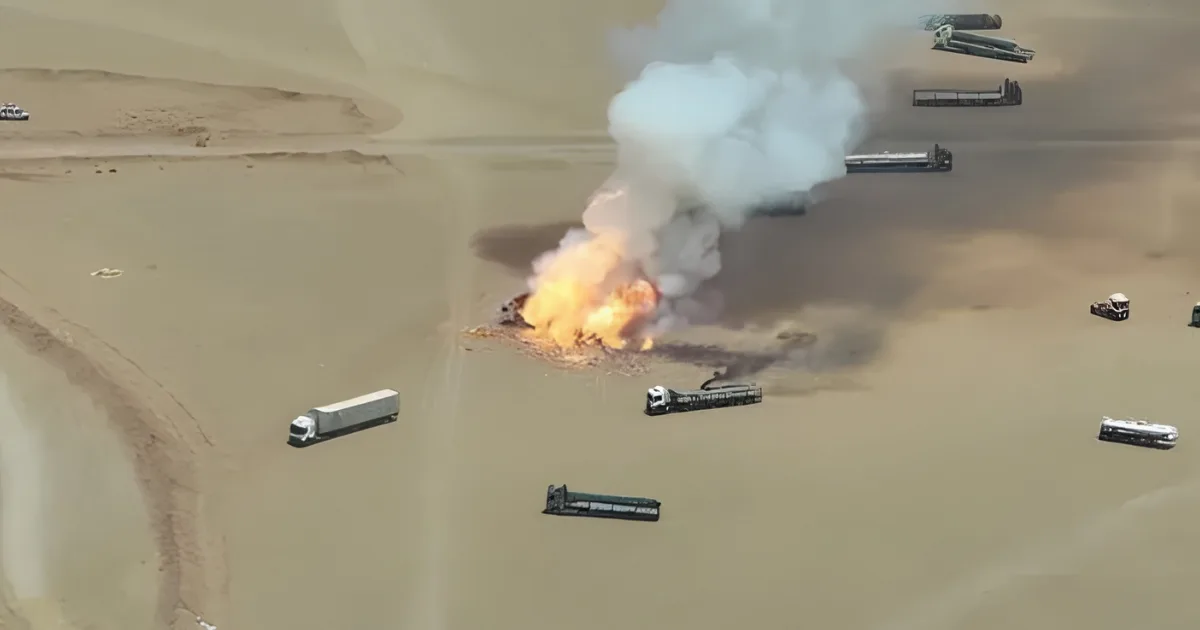
U.S. Central Command said American forces struck the five crude carriers on Tuesday after the Islamic Revolutionary Guard Corps launched two unsuccessful attacks against a U.S. Navy warship over the previous two days.
The American vessel evaded the missiles and continued patrolling the region. No U.S. personnel were injured.
CENTCOM identified the destroyed tankers as the Kivik, Charminar, Horizon 1 and Riesco in the Gulf of Oman, along with the Derya near Iran’s strategically important Kharg Island. American forces instructed the crews to abandon the vessels before attacking them.
The latest operation follows U.S. strikes against three Iranian tankers on Saturday, bringing the reported total to eight tankers destroyed in a matter of days.
Iran responded by launching missiles toward American targets in Jordan. Jordan’s military said its air defenses intercepted 18 ballistic missiles, while two others landed in uninhabited areas. No casualties were reported.
The Conflict Is Becoming an Oil War
The United States is now using Iran’s tanker fleet as a direct penalty for attacks on American warships.
Secretary of State Marco Rubio made that policy explicit Tuesday.
“Iran continues to try to hit U.S. naval ships. And for every time they do that or try to do that, they’re going to lose tankers,” Rubio said.
That strategy strikes at the economic machinery supporting Tehran. Oil exports provide Iran with foreign currency and help fund the Revolutionary Guard and its regional partners.
The Trump administration is applying pressure from multiple directions. Alongside the military strikes, the Treasury Department imposed sanctions targeting more than two dozen Iranian airlines, aviation companies and foreign cargo service providers.
Iran, meanwhile, has threatened tankers near ports in Kuwait and Bahrain and is preparing to announce a new exclusion zone near the Strait of Hormuz.
Each move raises the possibility of another retaliation.
The Real Market Threat Is the Strait of Hormuz
The destruction of five tankers alone will have a limited effect on global oil supply. The greater danger is that repeated attacks make commercial shipping through the region slower, riskier and more expensive.
About 20% of global petroleum consumption traveled through the Strait of Hormuz in 2024, according to the U.S. Energy Information Administration. Few practical alternatives exist for moving that volume if traffic through the waterway is severely restricted.
Brent crude climbed as high as $99.46 a barrel Tuesday as traders reacted to the latest U.S. strikes and attacks on Saudi energy facilities.
A sustained move above $100 could create consequences far beyond the energy market:
- Higher gasoline, diesel and aviation-fuel prices
- Rising transportation and manufacturing costs
- More expensive marine insurance and tanker rates
- Renewed pressure on consumer inflation
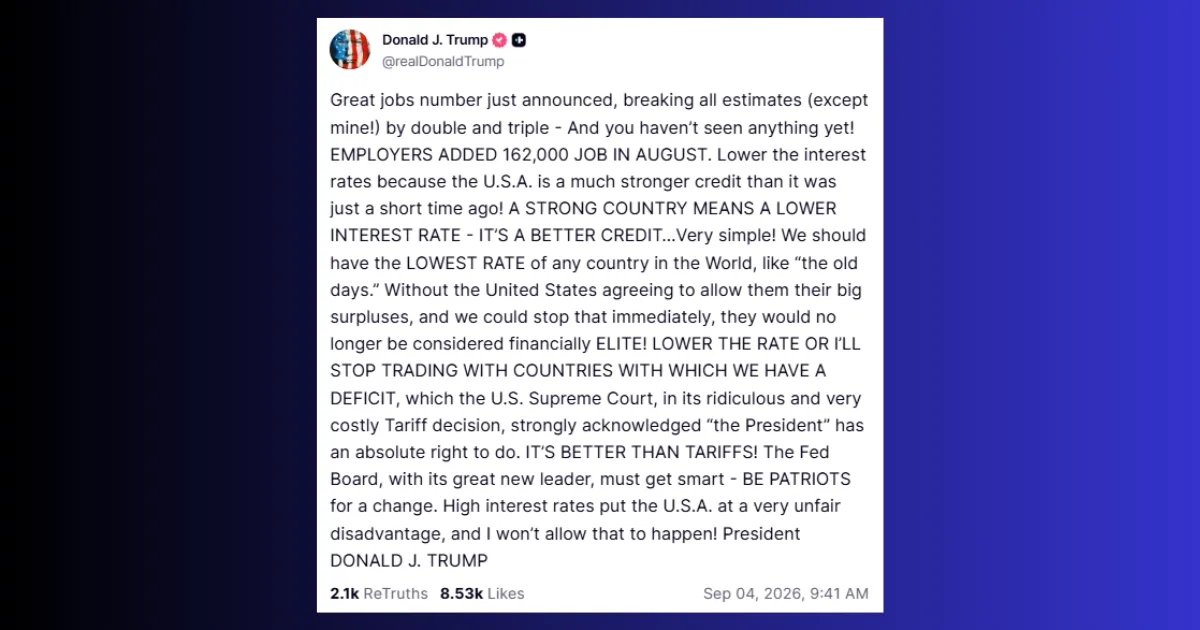
- Less flexibility for central banks considering interest-rate cuts
Energy producers may benefit from higher crude prices, particularly companies operating outside the immediate conflict zone. Airlines, cruise operators, transportation companies and energy-intensive manufacturers face the opposite pressure.
Why Destroyed Tankers May Be the Smaller Risk
Markets may be focusing too heavily on the number of vessels destroyed.
The more important signal is whether Iran begins disrupting ships belonging to other countries or attempts to enforce its proposed exclusion zone. Such a shift could transform a direct U.S.-Iran confrontation into a broader commercial shipping crisis.
Oil prices respond to anticipated shortages as much as actual lost production. Shipowners can reroute vessels, delay departures or demand sharply higher rates before the Strait is physically closed.
That means the economic damage could increase even if the volume of oil destroyed remains relatively small.
What Investors Should Watch Next
Additional attacks on U.S. warships: Another Iranian missile launch could trigger more American strikes against tankers, ports or oil infrastructure.
Iran’s proposed exclusion zone: Attempts to control or charge vessels moving through the Strait would represent a major escalation for commercial shipping.
Developments near Kharg Island: The island is central to Iran’s oil-export system. Any expansion of attacks around its terminals could create a much larger supply shock.
Brent crude above $100: A brief spike may have limited economic consequences. A sustained move above that level would increase inflation and interest-rate risks.
Shipping and insurance costs: Rising tanker rates could reveal stress in the physical oil market before it appears in official supply figures.
The Bottom Line
The United States has destroyed eight Iranian oil tankers in a matter of days, while Iran continues launching missiles at American and allied targets.
For investors, the central risk is no longer limited to the vessels being attacked. It is whether the retaliation cycle disrupts the Strait of Hormuz, drives oil decisively above $100 and sends another inflation shock through the global economy.
About Author