Oil prices surged more than 5% Thursday as two major supply threats hit the energy market simultaneously: renewed Iranian attacks on commercial tankers in the Middle East and a strengthening hurricane forcing American oil producers to shut down operations in the Gulf of Mexico.
Brent crude, the international oil benchmark, climbed above $105 a barrel, while U.S. West Texas Intermediate crude rose above $92. The sharp gains came as shipping disruptions near the Strait of Hormuz raised fears of another major energy supply shock, just as Hurricane Isaias threatened one of America’s most important oil-producing regions.
The latest developments are particularly troubling for American consumers already dealing with elevated gasoline and diesel prices. Another prolonged increase in energy costs could add pressure to household budgets, complicate efforts to bring inflation under control and weigh on the broader economy.
Iran Steps Up Attacks
Attacks on commercial vessels have intensified in recent days, threatening a fragile recovery in tanker traffic following months of conflict with Iran. A tanker off Qatar was struck by multiple projectiles Thursday, adding to concerns that even ships attempting to avoid the most dangerous sections of the strait remain vulnerable.
According to energy analytics firm Kpler, approximately 9.5 million barrels of oil per day passed through the strait during the week ending Tuesday, roughly 30% below normal prewar volumes.
Although alternative pipelines have helped maintain overall Middle Eastern exports, the repeated attacks create a serious problem: transporting oil remains expensive and dangerous even when sufficient supplies are available.
That uncertainty is increasingly reflected in oil prices. Traders are pricing in the possibility that tanker operators could reduce shipments, shipping insurance costs could climb further or another military confrontation could disrupt exports for an extended period.
Trump Reportedly Considering New Military Strikes Against Iran
Adding to the uncertainty, President Donald Trump and his national security advisers have reportedly discussed restarting large-scale military operations against Iran in the coming weeks.
According to NBC News, options under consideration include potential strikes before the November 3 midterm elections. No final decision has been publicly announced.
Meanwhile, Iran-backed Houthi militants have expanded their attacks in Saudi Arabia, firing missiles toward airports in Riyadh and Abha. Saudi forces also intercepted additional ballistic missiles Thursday as regional tensions intensified.
The growing possibility of another round of U.S. military action raises the stakes considerably. A wider conflict could threaten not only shipping through Hormuz but also oil facilities, pipelines and other critical infrastructure across the region.
Hurricane Isaias Knocks Out 25% of U.S. Gulf Oil Production
While the Middle East dominates geopolitical concerns, the United States is facing a separate supply disruption much closer to home.
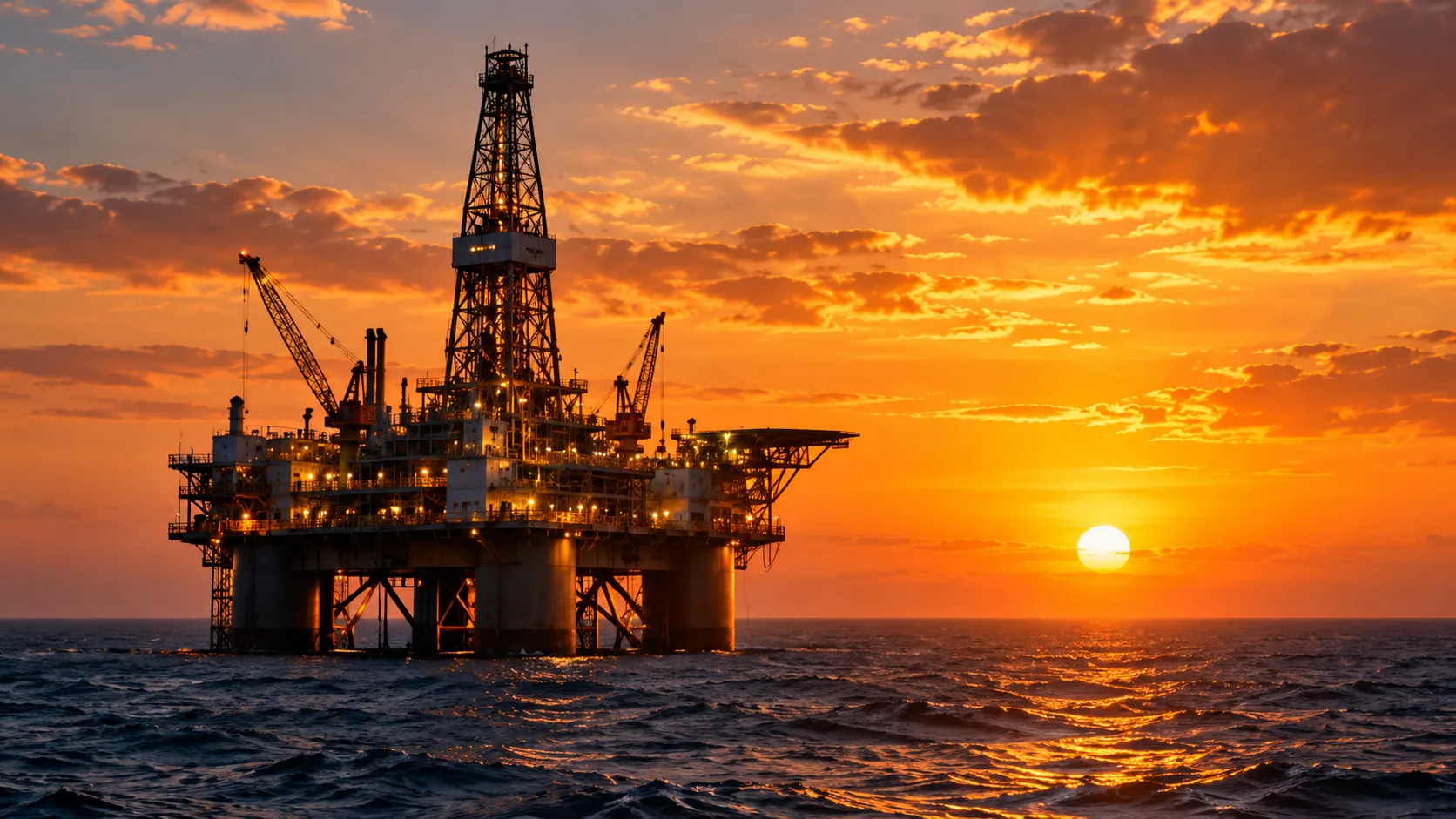
Hurricane Isaias is strengthening as it approaches the northern Gulf Coast, prompting energy companies to suspend offshore operations and evacuate personnel from vulnerable facilities.
Approximately 500,000 barrels of oil production per day have already been shut down, representing roughly 25% of offshore output in the Gulf of Mexico. Major producers, including Chevron and Shell, have taken precautionary measures as the storm approaches.
The National Hurricane Center warned Thursday that Isaias could strengthen further before reaching the Gulf Coast, with dangerous storm surge, heavy rainfall and damaging winds threatening coastal communities.
Temporary offshore shutdowns are common during hurricanes, and production can often resume relatively quickly if facilities escape damage. However, significant impacts on refineries, ports or pipelines could create additional fuel supply problems even after the storm passes.
What This Means for Gas Prices, Inflation and the Stock Market
The combination of Middle Eastern shipping attacks and reduced U.S. production creates an uncomfortable situation for consumers and financial markets.
Higher crude prices can eventually translate into more expensive gasoline, diesel, heating oil and transportation. Those additional costs can spread throughout the economy as businesses pay more to manufacture and deliver goods.
For the stock market, the consequences are mixed. Energy producers may benefit from higher selling prices, particularly companies whose operations remain unaffected by the hurricane. Airlines, transportation companies and other fuel-intensive businesses face the opposite problem as their operating costs rise.
There is also a broader risk for stocks and bonds. Persistent energy inflation could make it more difficult for the Federal Reserve to lower interest rates, keeping borrowing costs elevated for businesses and consumers.
Those concerns were already visible Thursday as rising energy prices contributed to pressure on global equity and bond markets.
The Bottom Line
Oil markets are now dealing with two immediate threats that could reinforce one another. The conflict with Iran is making international shipping increasingly unpredictable, while Hurricane Isaias is temporarily removing hundreds of thousands of barrels of daily U.S. production.
The next several days will be critical. Traders will be watching whether tanker attacks escalate, whether Washington moves closer to military action and how quickly American offshore production can recover after the hurricane.
For consumers, the biggest question is whether Thursday’s surge represents another temporary spike or the beginning of a sustained increase in energy prices.
About Author