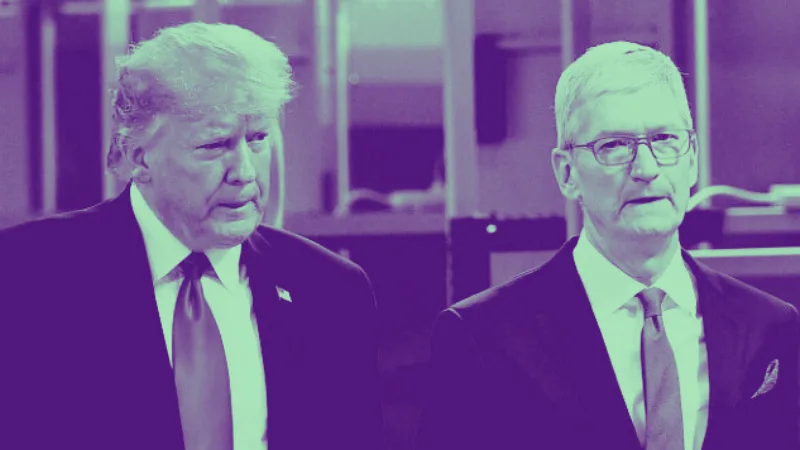
In a move that stunned analysts and excited domestic manufacturing advocates, Apple is set to announce a new $100 billion investment commitment in the United States. The announcement will take place in the Oval Office at 4:30 p.m. ET, according to a White House official who spoke with CNBC.
This latest pledge forms part of what the administration is calling Apple’s “American Manufacturing Program”—a strategic alignment with President Trump’s ongoing push to repatriate high-tech manufacturing jobs and reduce U.S. reliance on overseas production. With this announcement, Apple’s total U.S. investment projection climbs to $600 billion over four years, the official said.
Trump Turns Up the Heat on Apple’s Global Footprint
President Trump has made it no secret that he wants Apple to make more of its products in America. He’s been pressuring the tech giant for years to shift production away from China and, more recently, India—a country he now says is no longer in the United States’ good graces due to its continued purchases of Russian oil.
In remarks earlier this year, Trump reportedly told Cook, “We’re not interested in you building in India. India can take care of themselves … we want you to build here.”
And now, Trump is putting policy behind that sentiment.
On Wednesday, the president announced he would double tariffs on Indian imports to 50%, citing India’s refusal to halt energy purchases from Russia. The move escalates tensions between Washington and New Delhi and adds new pressure on companies—like Apple—that have been shifting production to India as a hedge against China’s geopolitical risk and rising labor costs.
iPhone Prices and Investor Implications
Industry analysts have long warned that Trump’s push to bring iPhone manufacturing back to the U.S. would come with a steep price—literally. Domestic production could raise iPhone costs by several hundred dollars per unit, a burden that would likely be passed on to consumers.
Despite that, investors are closely watching whether the optics of domestic investment and White House support outweigh the operational and pricing risks.
“Apple may be calculating that aligning with Trump’s reshoring agenda gives them leverage in future tariff exemptions and regulatory flexibility,” said one policy strategist familiar with the situation.
Tariff Exemptions Still Holding—for Now
While Trump’s broader “reciprocal tariff plan”—which went into effect in April—imposed a baseline 10% duty on most global imports and significantly higher rates on specific countries, the White House had initially exempted tech products like smartphones and chips from those tariffs.
That exemption appears to still be intact as of this week—even after Trump’s new executive order specifically hiked tariffs on Indian goods. For Apple, that exemption is vital to keep costs down and maintain U.S. market competitiveness.
Still, the situation remains fluid. Tariff exemptions can be revoked with little notice, especially as Trump leans into “America First” economic nationalism heading into the 2026 midterms.
Apple Stays Silent, for Now
Apple declined to comment on the investment pledge or the tariff implications when contacted by CNBC. The company has historically avoided public clashes with U.S. presidents, preferring quiet negotiations behind the scenes.
Yet the stakes are rising. With over $100 billion in new commitments now tied to a manufacturing initiative directly endorsed by the White House, Apple’s leadership is signaling that the company is willing to bend—at least in part—to Washington’s demands.
The Bigger Picture: Tech’s Tricky Dance with Trump
Apple is not alone in navigating this political minefield. Other Silicon Valley giants like Microsoft and Nvidia are watching closely as Trump reshapes global trade rules, revamps tariff schedules, and elevates domestic manufacturing as a national security issue.
While companies may grumble about the costs, many also recognize the strategic benefit of being seen as partners in Trump’s economic vision—especially as federal incentives for reshoring continue to grow.
For investors, the calculus is changing. Domestic investment commitments like Apple’s may mean short-term margin pressure, but they could also offer long-term stability in a world where geopolitical risk and regulatory volatility are the new normal.
Why This Matters for Investors
- Apple’s $100B pledge signals a major long-term bet on U.S. production, which could shift the tech sector’s global supply chain map.
- Tariff risk is real—especially for companies relying on India or China. Investors should watch for signs of retaliatory trade measures.
- Tech and politics are now inseparable. Whether it’s tax breaks, tariffs, or reshoring mandates, policy changes are driving earnings volatility.
- Margin pressure may rise if production moves stateside, but so could domestic goodwill and regulatory support.
Sources:
- CNBC – Tim Cook to join Trump at White House for Apple investment announcement
- Reuters – Trump Doubles Indian Tariffs Over Russia Oil Ties
About Author