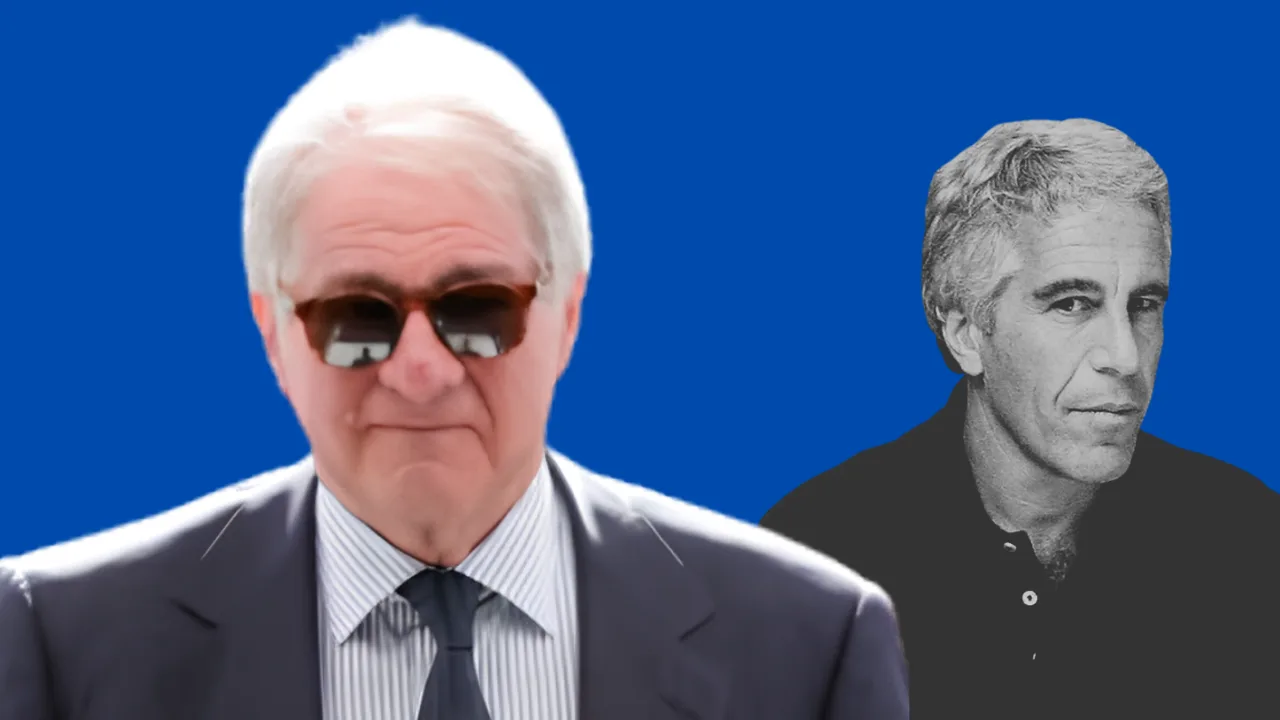
Apollo co-founder Leon Black has turned a congressional investigation into his ties with Jeffrey Epstein into a constitutional fight over subpoenas, nondisclosure agreements and the limits of government power. For investors, the dispute carries implications that reach beyond one billionaire’s reputation.
Black Challenges the House Oversight Committee
Black, the billionaire co-founder and former chief executive of Apollo Global Management, filed a lawsuit Thursday against the House Committee on Oversight and Government Reform and its chairman, Rep. James Comer.
The lawsuit came as Black declined to appear for a scheduled deposition before the committee. Lawmakers wanted to question him further about his financial relationship with Epstein and obtain nondisclosure agreements involving women in Black’s personal life.
Black argues that the subpoenas exceed the committee’s authority because some of the requested agreements have no established connection to Epstein or a legitimate legislative purpose.
“The Committee is on a fishing expedition that oversteps its authority,” Black attorney Susan Estrich said in a statement.
Comer offered a sharply different interpretation.
“It’s a shame Leon Black is hiding behind litigation rather than provide answers to the American people,” the Republican chairman said.
Rep. Robert Garcia, the committee’s ranking Democrat, called for Black to be held in contempt of Congress, accusing him of defying two subpoenas.
The dispute follows a voluntary interview Black gave the committee in June. That session ended early after Black declined to answer certain questions about nondisclosure agreements. Comer subsequently issued subpoenas compelling him to return and produce the requested documents.
Black’s legal team maintains that he remains willing to answer questions about his payments to Epstein. The objection centers on requests for confidential agreements involving women with no known public connection to Epstein.
Black’s Epstein Relationship Remains Under Scrutiny
Black stepped down as Apollo’s chief executive in 2021 after an independent review examined his relationship with Epstein.
The review, conducted by law firm Dechert for a committee of Apollo’s board, found that Black paid Epstein approximately $158 million between 2012 and 2017 for tax planning, estate planning and related professional services.
Dechert said it found no evidence that Black was involved in Epstein’s criminal activities. The review also concluded that Apollo never retained Epstein and that Epstein never invested in Apollo-managed funds.
Black has consistently denied abusing women, participating in Epstein’s crimes or being blackmailed by him. He has said he was unaware of Epstein’s criminal conduct beyond the financier’s previously disclosed conviction and later regretted maintaining the relationship.
The current dispute concerns how much additional information Congress can compel Black to provide.
According to the lawsuit, Black produced one agreement involving a former girlfriend in which Epstein allegedly served as a consultant. He declined to provide other agreements that his lawyers say have no connection to Epstein.
That decision has now created two parallel battles. One will play out in federal court. The other will unfold in Congress, where lawmakers could pursue contempt proceedings.
The Lawsuit Could Produce More Disclosure, Not Less
Black’s strategy may delay the committee’s questioning and prevent immediate production of the disputed agreements. It also risks extending the controversy and creating a larger public record.
Federal litigation can require both sides to define their positions precisely. The committee may have to explain how the requested documents relate to its legislative work. Black may have to describe the categories of agreements he is withholding and why they fall outside the investigation.
A negotiated resolution could protect unrelated women while giving lawmakers access to documents with a demonstrable Epstein connection. Options could include redactions, private review by committee counsel or production under confidentiality restrictions.
The lawsuit therefore carries an important strategic risk for Black. A legal challenge designed to narrow disclosure could produce months of hearings, filings and renewed media attention.
For Apollo, prolonged coverage presents a manageable but persistent reputational issue. The longer the dispute runs, the more frequently the company’s name may appear alongside a controversy involving a leader who departed years ago.
About Author