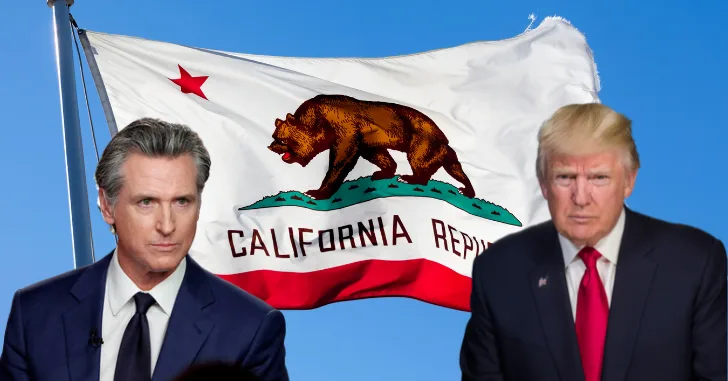
California has initiated a significant legal challenge against President Donald Trump’s recent imposition of sweeping tariffs, marking the first instance of a U.S. state suing the federal government over such trade measures. Governor Gavin Newsom and Attorney General Rob Bonta announced the lawsuit, asserting that the tariffs are unlawful and pose substantial economic risks to California’s economy—the fifth-largest in the world.
Understanding the Legal Challenge
The lawsuit, filed in the U.S. District Court for the Northern District of California, contends that President Trump exceeded his authority by invoking the International Emergency Economic Powers Act (IEEPA) to impose tariffs without congressional approval. Traditionally, the IEEPA grants the president powers to regulate economic transactions during national emergencies, but it has not been used to unilaterally impose tariffs. California’s legal team argues that such actions require explicit consent from Congress, and the current application of the IEEPA in this context is both “unlawful and unprecedented” .
Economic Impact on California
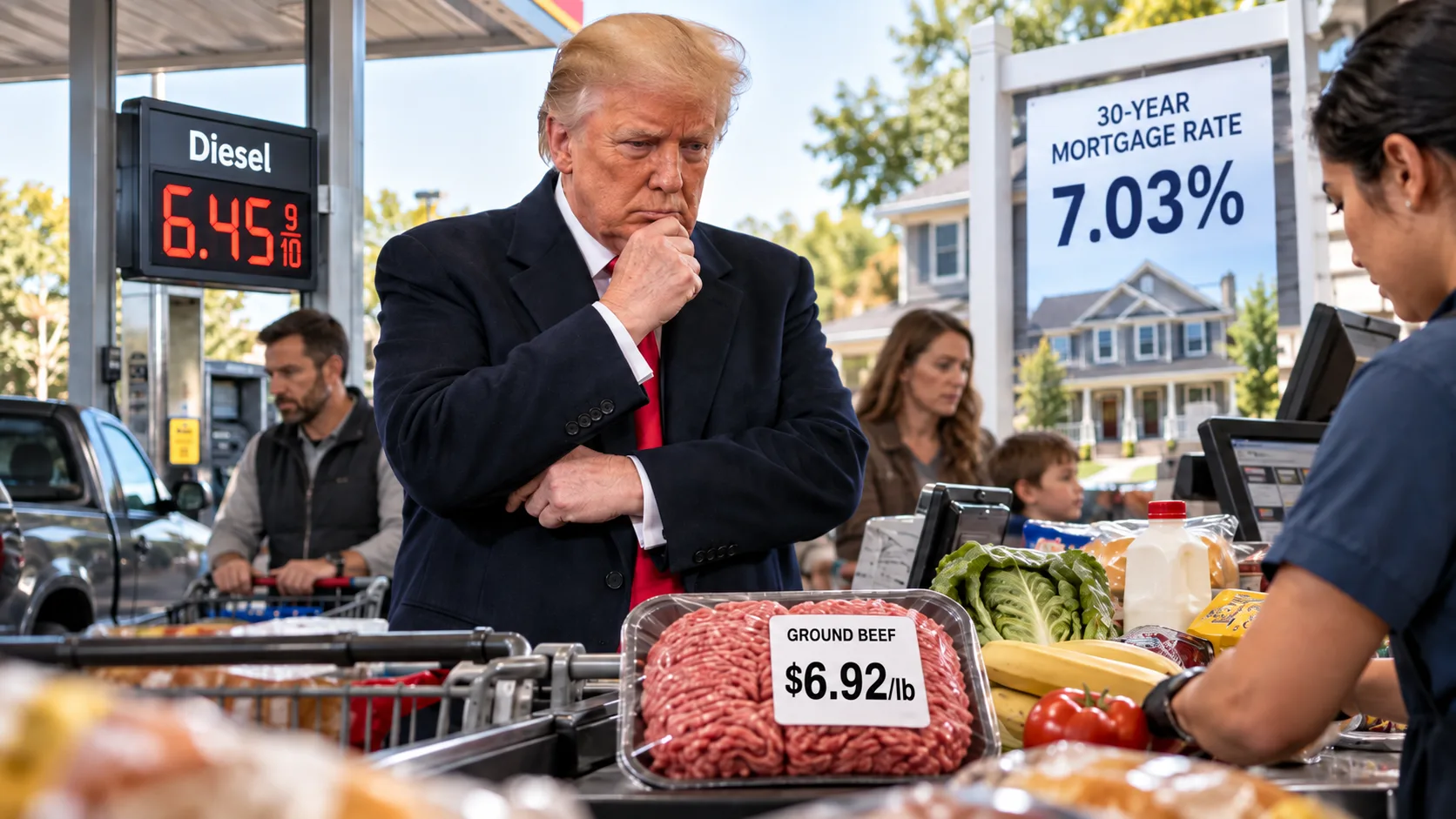
California’s economy is deeply intertwined with international trade. In 2024, the state engaged in nearly $675 billion in two-way trade, with Mexico, Canada, and China being its top trading partners . The newly imposed tariffs include a 10% levy on nearly all imports and a 25% tariff on goods from Canada and Mexico. These measures have already led to increased costs for consumers and businesses, particularly affecting sectors like agriculture and technology .
Governor Newsom highlighted the tangible effects on Californians, stating, “President Trump’s unlawful tariffs are wreaking chaos on California families, businesses, and our economy—driving up prices and threatening jobs” . The agricultural sector, a cornerstone of California’s economy, is especially vulnerable, with farmers facing retaliatory tariffs that hinder exports of key products like almonds, wine, and rice.
Investor Considerations
For investors, the legal battle introduces several factors to monitor:
Market Volatility: The uncertainty surrounding the lawsuit’s outcome and potential shifts in trade policy can lead to increased market volatility.
Sector-Specific Impacts: Industries heavily reliant on international trade, such as agriculture and technology, may experience fluctuations in stock performance based on developments in the case.
Supply Chain Disruptions: Tariffs can lead to increased costs and delays in supply chains, affecting companies’ profitability and operational efficiency.
Legal Precedents: The case’s outcome could set significant legal precedents regarding the extent of executive power in trade matters, influencing future policy decisions.
Broader Implications
The lawsuit not only challenges the current administration’s trade policies but also raises questions about the balance of power between the executive branch and Congress in determining trade measures. A favorable ruling for California could limit the president’s ability to unilaterally impose tariffs, reinforcing the necessity for legislative oversight in trade decisions.
As the legal proceedings unfold, stakeholders—including businesses, investors, and policymakers—will closely watch the developments, understanding that the case’s outcome could have far-reaching consequences for U.S. trade policy and economic stability.
About Author