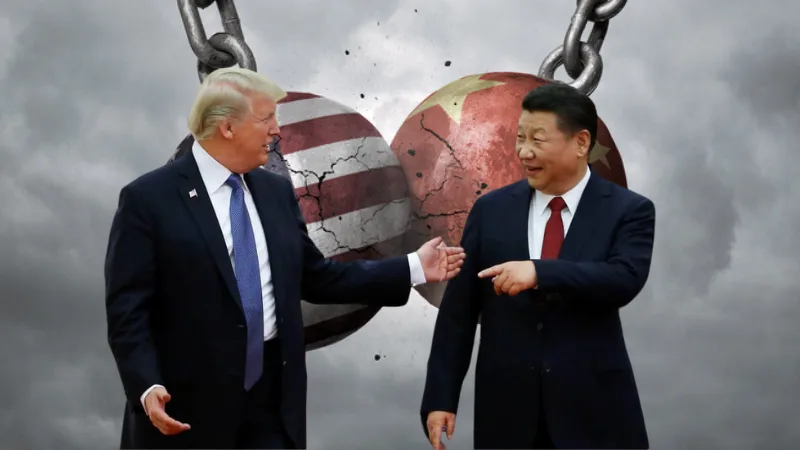
China’s state-owned COFCO just purchased roughly 180,000 metric tons of U.S. soybeans, marking its first such deal from this year’s American harvest, according to Reuters. The timing—just days before an upcoming summit between President Donald Trump and Chinese President Xi Jinping—suggests the move is as political as it is economic.
Soybean futures jumped to a 15-month high, but analysts caution: this doesn’t mark a full reversal of China’s pivot away from U.S. suppliers.
The Symbolism Behind the Soybean
China’s modest purchase of three cargoes is small compared to pre-trade-war levels, when Beijing routinely bought tens of millions of tons from U.S. producers. Yet the symbolism matters. Agriculture—particularly soybeans—has long been a barometer of U.S.–China relations.
Under the Trump administration, soybeans have become a diplomatic bargaining chip, used by both sides to signal goodwill or displeasure in ongoing trade negotiations. This week’s purchase represents the first visible sign that Beijing is extending an olive branch.
A trader cited by Reuters said COFCO moved ahead “even before the two leaders have reached a trade agreement,” hinting that Beijing wants to create positive optics heading into the meeting.
What China Bought and What It Didn’t
COFCO’s December-January shipment covers about 180,000 tons—the equivalent of three cargoes. By contrast, China imported over 97 million tons of soybeans globally last year, mostly from Brazil and Argentina.
That’s where the caution comes in. Despite this headline-grabbing purchase, China has already filled most of its soybean needs for the year from South America. Brazilian suppliers, favored for higher-protein beans, have taken a commanding lead. As Bloomberg noted earlier this week, “China’s soybean pivot limits the payoff from any new U.S. trade deal.”
The Price Reaction
Chicago soybean futures surged this week to their highest level in more than a year, buoyed by hopes of renewed demand. Prices had previously hit five-year lows amid weak export sales and mounting inventory.
At midweek, U.S. soybeans were trading near parity with Brazilian cargoes, a notable shift after months of steep discounts. This sudden price convergence suggests traders expect continued buying—at least in the short term.
But market veterans warn that without significant follow-through from Beijing, the rally could fade just as quickly. The Chinese state may buy an additional 8 million tons for strategic reserves between December and May, but private importers are unlikely to follow unless tariffs are relaxed or price spreads widen again.
Why This Matters to U.S. Farmers
American soybean farmers have borne the brunt of the multi-year trade standoff. China—responsible for more than 60% of global soybean imports—was once their biggest customer. When Beijing effectively shut the door, U.S. farmers faced billions in lost revenue, storage issues, and shrinking margins.
Treasury Secretary Scott Bessent, who recently noted he’s “felt pain” from China’s soybean freeze “because I’m actually a soybean farmer,” said this week he expects “substantial” purchases ahead. That comment has raised expectations for a partial rebound.
Still, agricultural economists caution that a one-time purchase doesn’t fix a broken supply chain. China’s long-term diversification toward Brazil and Argentina has reduced its dependency on U.S. soybeans—a structural shift that won’t be reversed overnight.
The Broader Trade Picture
This move also highlights a strategic recalibration in U.S.–China relations. Soybean deals often precede or accompany broader trade frameworks. The Trump administration has maintained tariffs on Chinese imports, while simultaneously signaling openness to renewed agricultural cooperation as part of a phased agreement.
Beijing’s purchases appear to be a good-faith gesture ahead of the Trump–Xi summit, where both leaders are expected to discuss tariff relief, technology restrictions, and supply-chain resilience. It’s not just about beans—it’s about diplomacy through agriculture.
If talks progress, additional agricultural purchases could follow, providing modest relief to U.S. exporters and stabilizing Midwest farm incomes heading into 2026.
What Investors Should Watch
- Soybean Futures and Export Bookings:
Futures on the Chicago Board of Trade (CBOT) remain sensitive to any mention of new Chinese orders. A consistent pattern of purchases would confirm sustained demand and support higher prices. - U.S.–Brazil Price Differentials:
Brazil’s soybeans have traditionally carried a premium due to higher protein levels. If U.S. prices stay competitive, American exporters could regain lost ground. - Shipping Data and USDA Reports:
Weekly export reports from the U.S. Department of Agriculture will show whether this deal turns into a trend. Watch for sharp upticks in “unknown destination” bookings—often code for Chinese buyers. - The Trump–Xi Summit Outcome:
A formal commitment by China to buy U.S. agricultural goods—backed by enforceable quotas—would give markets more confidence than symbolic gestures. - Corporate Beneficiaries:
Companies like Archer Daniels Midland (ADM), Bunge (BG), Corteva (CTVA), and Deere (DE) could see short-term momentum if China ramps up imports. ETF investors may look at the Invesco DB Agriculture Fund (DBA) for broader exposure.
The Political Undercurrent
President Trump has repeatedly tied his trade agenda to American manufacturing and farming strength. A revival of Chinese soybean purchases gives his administration a narrative win heading into the 2026 midterms.
But Chinese analysts interpret the deal differently. For Beijing, this is a low-cost diplomatic concession—a symbolic olive branch that costs little but could ease tariff pressure on higher-value exports like semiconductors or EV components.
In other words, soybeans are political currency. Each purchase signals intent more than necessity.
The Global Ripple Effect
China’s move will ripple across commodity markets.
- Brazilian exports may soften temporarily, especially if U.S. prices remain competitive.
- Argentine producers, facing drought-related shortfalls, could benefit if China diversifies its purchases further.
- Currency markets may also react: a stronger Brazilian real could make South American soybeans less competitive, indirectly boosting U.S. export prospects.
The broader question: will this translate into a lasting trade thaw, or is it just a pre-summit photo op?
The Bottom Line
China’s latest soybean deal is a symbolic but limited victory for U.S. farmers and a mild bullish signal for agricultural markets. It shows Beijing’s willingness to re-engage—but not to depend.
As Reuters put it, “the volumes booked by COFCO are not that large, three cargoes for now.” That’s reality.
For investors, this is a short-term momentum story, not a structural shift. Futures could remain elevated through the Trump–Xi talks, but without binding commitments, the long-term upside is capped.
Still, any thaw between the world’s two largest economies bodes well for broader risk appetite. If agriculture opens the door, other sectors—like energy, semiconductors, and clean technology—could follow.
About Author