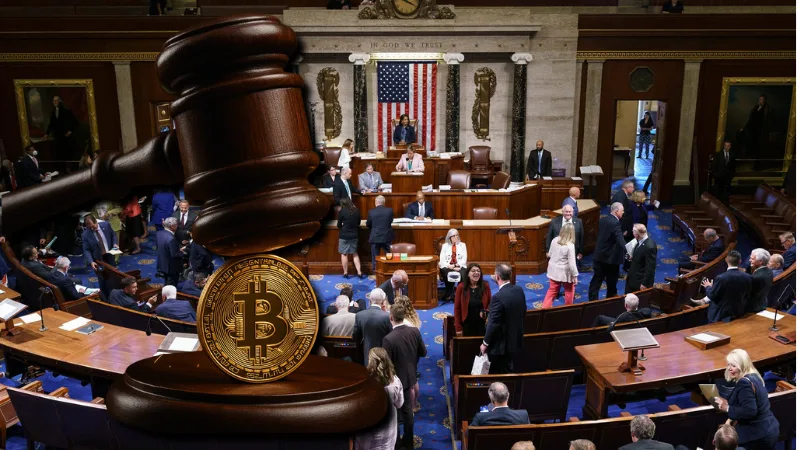
This week, Capitol Hill is turning its full attention to crypto—and the stakes couldn’t be higher. Dubbed “Crypto Week 2025,” the U.S. House of Representatives is debating and voting on a trio of landmark bills that could permanently reshape how digital assets like Bitcoin, Ethereum, and stablecoins are regulated in America.
For investors, this is more than just political theater. The outcomes of these votes could determine whether the U.S. becomes a global leader in blockchain innovation—or cedes that role to more agile international players. Here’s everything you need to know.
What Is “Crypto Week”?
For the first time in congressional history, lawmakers have dedicated an entire legislative week—July 14 to July 18, 2025—to crypto-related bills. House leadership has fast-tracked three major pieces of legislation that cover:
- Stablecoin regulation
- Regulatory clarity between the SEC and CFTC
- A ban on central bank digital currencies (CBDCs)
With Bitcoin smashing through $123,000 on day one of Crypto Week, the markets are clearly paying attention.
The 3 Big Bills on the Floor
1. The GENIUS Act – Stablecoins Go Legit
The Guaranteed Electronic Notes and Issuance Under Standards (GENIUS) Act passed the Senate last month with bipartisan support. Now it’s up for a full House vote.
What it does:
- Requires 1:1 backing of stablecoins with U.S. dollars or Treasury assets
- Imposes auditing and reserve transparency standards
- Allows non-bank institutions to issue stablecoins under a federal charter
Why it matters:
This bill could pave the way for major U.S. companies—think PayPal, Amazon, or even GameStop—to launch their own federally regulated digital dollars. At the same time, it sidelines experimental or algorithmic stablecoins by imposing strict reserve standards.
2. The Clarity Act – SEC vs. CFTC
This long-awaited bill defines which digital assets fall under the SEC and which under the CFTC. It’s meant to settle the turf war between regulators that has paralyzed much of the industry.
Key points:
- Decentralized tokens (like Bitcoin, Ethereum): Regulated by the CFTC
- Tokens tied to profit expectations (many ICOs): Regulated by the SEC
- Establishes a “path to decentralization” for tokens to evolve out of SEC jurisdiction
Why it matters:
Without clear definitions, crypto firms have lived in fear of sudden lawsuits or retroactive enforcement. The Clarity Act would provide the legal certainty needed for growth and IPOs in the digital asset space.
3. The Anti-CBDC Surveillance State Act – Ban the Fedcoin?
This controversial bill would ban the Federal Reserve from ever issuing a central bank digital currency (CBDC), citing concerns over surveillance and government overreach.
Proponents argue:
- A CBDC would give the federal government the power to track or freeze private transactions
- It could erode privacy, enable social credit scores, and destabilize private banking
Critics say:
- The U.S. risks falling behind China and Europe, which are already rolling out CBDCs
- A properly designed digital dollar could improve cross-border payments and reduce fraud
Either way, this bill aligns with the broader push by conservatives and privacy advocates to limit the federal footprint in digital finance.
Why the Market Is Exploding
The crypto markets are reacting with enthusiasm. Since the beginning of July:
- Bitcoin surged past $123K, hitting all-time highs
- Ethereum is up over 16% in five days, trading above $3,000
- Altcoins like Solana and Dogecoin are seeing renewed momentum
- Institutional inflows into Bitcoin ETFs hit a record $1.18 billion in a single day
The reason? These bills suggest Washington is finally treating crypto like a serious, permanent part of the financial system—not a speculative sideshow.
Political Drama and Pushback
It hasn’t been smooth sailing. Democrats have introduced amendments aimed at:
- Strengthening anti-money laundering (AML) protections
- Blocking Big Tech companies from issuing their own stablecoins
- Ensuring consumer protections in any new digital finance frameworks
Progressives like Sen. Elizabeth Warren have blasted the current bills as “too friendly to the crypto lobby,” warning that they could lead to another FTX-style collapse. Meanwhile, consumer advocacy groups say the Clarity Act gives too much discretion to industry players.
But the bills have strong support from House Republicans and are aligned with President Trump’s recent pro-crypto executive orders.
Global Implications
If passed, this legislation could have global ripple effects:
- U.S.-based firms may resume stalled crypto projects, including IPOs and stablecoin launches
- Foreign companies may seek U.S. registration for regulatory legitimacy
- Other nations may copy the U.S. framework or pivot further away, depending on ideological leanings
In short, Crypto Week isn’t just a domestic issue—it’s a global bellwether for where digital finance is heading.
What Investors Should Watch Now
If the Bills Pass:
- Expect bullish momentum to continue—especially for Bitcoin, Ethereum, and U.S.-issued stablecoins
- Crypto-adjacent equities (e.g., Coinbase, Riot Platforms, MicroStrategy) could spike
- More institutional buyers will likely enter the market
If the Bills Stall or Are Watered Down:
- Volatility could spike
- Investors may retreat back to Bitcoin and major altcoins as a flight to safety
- Long-term growth could be delayed, especially for startups relying on clearer regulatory pathways
Crypto’s Regulatory Moment Has Arrived
For over a decade, U.S. crypto investors and companies have begged for clarity. This week, Congress is finally answering that call. The outcome of Crypto Week 2025 could determine whether the United States leads the next financial revolution—or gets left behind.
Whether you’re a retail investor, a fund manager, or a founder building in the space—now is the time to pay attention.
About Author