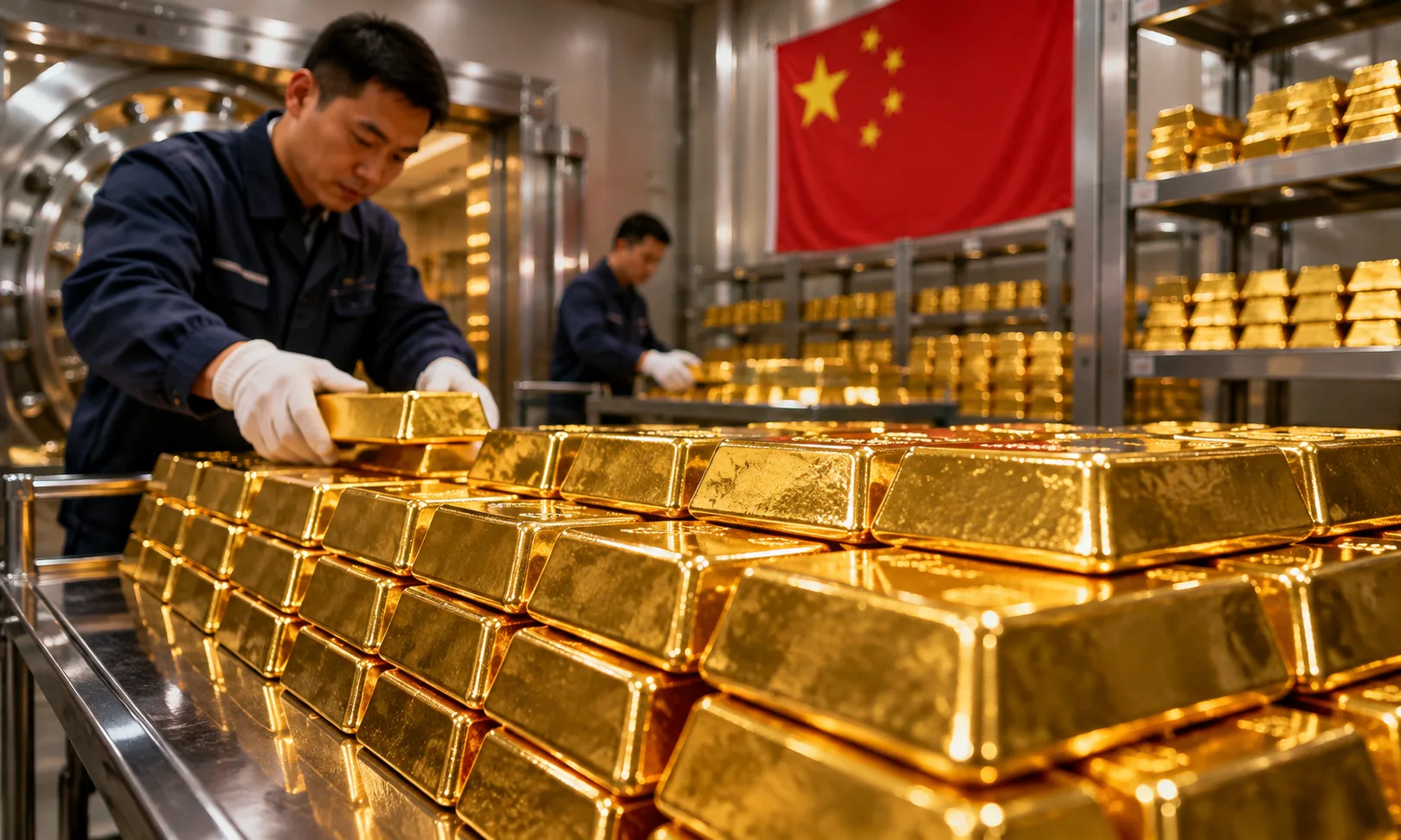
Gold and silver are supposed to be the ultimate safe havens. Instead, they just got hit like risk assets.
A sharp and sudden sell-off swept through precious metals markets Thursday morning, with gold plunging roughly 5% and silver collapsing close to 10%, as investors rushed to raise cash amid escalating geopolitical tensions and rising inflation fears tied to the ongoing U.S.-Iran war.
At one point early in the session, spot gold dropped to just above $4,600 per ounce, while futures markets showed even steeper declines. Silver saw an even more violent move, falling below $69 per ounce in one of its largest single-day drops in decades.
This was not a normal pullback. It was forced selling.
A “Safe Haven” Breakdown That’s Turning Heads
The most important takeaway is not just that gold and silver fell. It is that they fell during a moment when they were supposed to rise.
Historically, geopolitical conflict, rising oil prices, and inflation fears are the exact conditions that drive investors into precious metals. But this time, the opposite happened.
That signals something deeper is going on beneath the surface of global markets.
Instead of rotating into safety, investors appear to be liquidating everything they can, including assets that had previously been strong performers.
As one strategist put it, markets are now entering a phase where investors are “selling what they can, not what they want.”
Mining Stocks and ETFs Get Crushed
The damage was not limited to spot prices. The entire precious metals ecosystem took a hit.
Leveraged exchange traded funds tied to silver saw some of the worst declines, with the ProShares Ultra Silver ETF plunging around 20% before the opening bell. Major silver tracking funds like the iShares Silver Trust and Aberdeen Physical Silver Shares ETF dropped close to 10%.
Mining stocks followed suit.
Major names including Teck Resources, First Majestic Silver, and Coeur Mining all fell sharply, with losses ranging from roughly 9% to 10% in early trading.
The sell-off extended globally. In Europe, the Stoxx Europe Basic Resources index dropped about 6%, with leading producers like Fresnillo and Antofagasta seeing significant declines.
This kind of broad-based selling suggests institutional repositioning, not retail panic.
The Iran War Is Driving a New Inflation Shock
At the center of this market shift is the escalating conflict between the United States and Iran.
Now entering its third week, the war has already disrupted key energy infrastructure in the Middle East, with strikes reported on facilities in both Iran and Qatar.
The result has been a sharp spike in oil and gas prices, raising fears of a renewed global inflation wave.
That matters because inflation is no longer just a theoretical risk. It is becoming a policy problem again.
Central banks are now being forced into a corner.
Central Banks Signal Growing Concern
The Federal Reserve held interest rates steady this week, but flagged “uncertain” economic impacts tied directly to the geopolitical situation.
The Bank of Japan also kept rates unchanged but warned that inflation risks are now tilted to the upside because of the conflict.
In Europe, multiple central banks including those in the U.K. and eurozone are expected to address similar concerns, while Switzerland’s central bank explicitly pointed to the Iran war as a key factor influencing its policy stance.
The Swiss National Bank even hinted it may increase intervention in currency markets if volatility continues.
This is the key shift investors are reacting to.
The market is beginning to price in a scenario where inflation rises again while central banks remain constrained.
That is a dangerous combination.
Why Gold Is Falling Instead of Rising
So why are gold and silver dropping instead of rallying?
There are three major forces at play.
1. Forced Liquidation
After massive gains in 2025, gold and silver had become crowded trades.
Gold surged roughly 66% last year, while silver skyrocketed more than 130%.
When markets turn volatile, investors often sell their winners first to raise liquidity. That appears to be happening now.
2. Stronger U.S. Dollar
The U.S. dollar has been strengthening as global uncertainty rises.
Since gold is priced in dollars, a stronger dollar makes it more expensive for international buyers, putting downward pressure on prices.
This inverse relationship is one of the most consistent dynamics in commodity markets.
3. Rise of Financial Traders Over Physical Buyers
Gold is no longer just a physical asset. It is now heavily owned by financial investors, including hedge funds and leveraged traders.
When these players reduce risk, they tend to sell quickly and aggressively.
As one investment executive noted, “Financial investors are the marginal buyers of gold, and we are seeing them reduce risk across the board.”
That shift changes how gold behaves during crises.
Instead of acting purely as a safe haven, it now behaves more like a tradable financial asset.
A Logistics Problem Most Investors Are Ignoring
There is another underappreciated factor at play.
The ongoing conflict has disrupted airspace and shipping routes across key regions, making it harder and more expensive to transport physical gold.
This creates a paradox.
Gold is considered a safe haven because it is tangible. But if it cannot be easily moved or accessed, its usefulness in a crisis becomes more complicated.
That reality may be forcing some institutional investors to rethink how much physical exposure they want.
Global Markets Are Moving in Lockstep
The sell-off in metals is part of a broader “risk-off” move across global markets.
Equities are falling. Bonds are under pressure. Commodities are volatile.
This kind of synchronized decline is rare and typically signals stress within the financial system.
European markets opened sharply lower, and U.S. futures are pointing to further downside.
When everything is falling at once, it usually means liquidity is tightening.
And when liquidity tightens, even safe assets can fall.
What This Means for Investors
This is where things get interesting.
Because while the short term move looks bearish for gold and silver, the longer term setup may be the opposite.
Here is how investors should think about it.
Short Term: Volatility and Forced Selling
Expect continued swings in precious metals as markets digest geopolitical risks and central bank reactions.
If liquidation continues, prices could remain under pressure.
Medium Term: Inflation Tailwinds
If oil prices stay elevated and supply disruptions persist, inflation could reaccelerate.
That would typically be bullish for gold and silver.
Long Term: Structural Demand Still Intact
Despite the sell-off, the core reasons for owning precious metals have not changed.
Rising debt levels, geopolitical instability, and currency uncertainty all continue to support long-term demand.
In other words, this may not be the end of the trade.
It may be a reset.
The Bottom Line
Gold and silver are sending a message.
This is not a normal market environment.
When safe haven assets are being sold alongside everything else, it signals stress, liquidity pressure, and a shift in investor behavior.
For now, the market is prioritizing cash over conviction.
But if inflation accelerates and geopolitical tensions continue to rise, precious metals could quickly return to favor.
The question is not whether gold and silver still matter.
It is whether investors are prepared for what comes next.
About Author