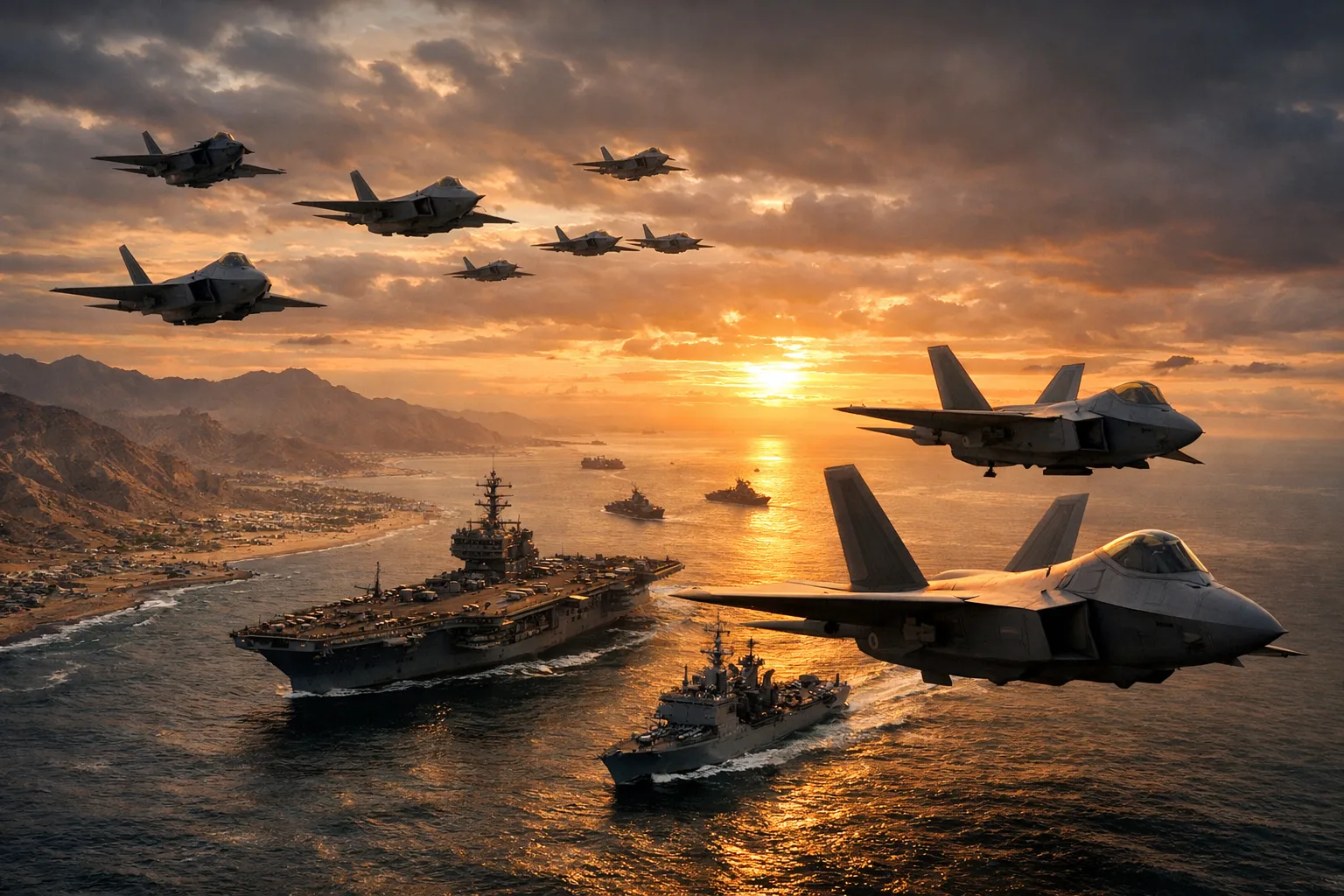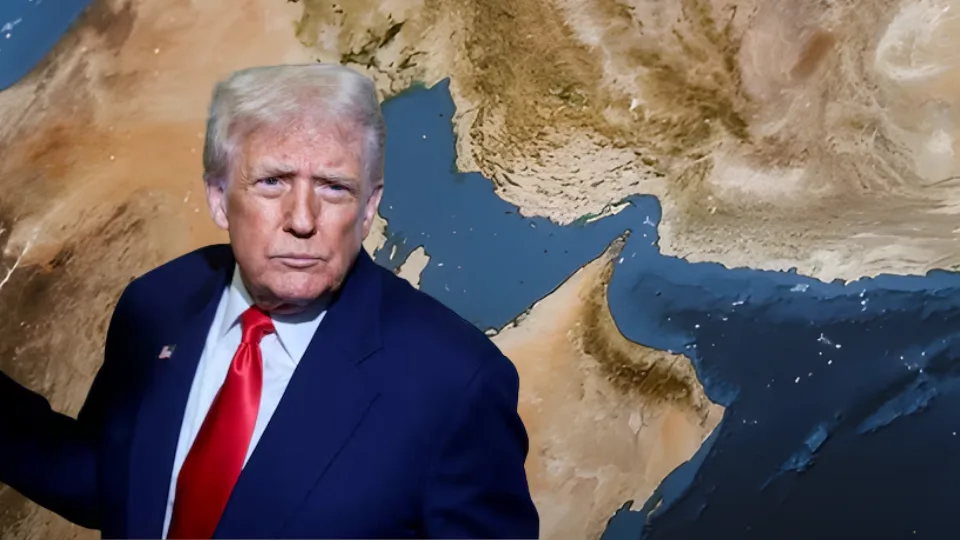
After briefly signaling a willingness to reopen the Strait of Hormuz, Iranian officials reversed course over the weekend. Hardline factions within Tehran, particularly the Islamic Revolutionary Guard Corps, appear to have taken control of the situation.
Iranian officials made it clear that the strait will remain closed as long as the United States continues enforcing its naval blockade.
Trump Responds With Direct Threats
President Donald Trump did not hold back in his response, taking to Truth Social with a series of blunt statements aimed at Iran’s leadership and military.
“Iran decided to fire bullets yesterday in the Strait of Hormuz — A Total Violation of our Ceasefire Agreement! Many of them were aimed at a French Ship, and a Freighter from the United Kingdom. That wasn’t nice, was it?”
Trump also mocked Iran’s strategy, arguing that closing the strait ultimately hurts Tehran more than Washington.
“They’re helping us without knowing, and they are the ones that lose with the closed passage, $500 Million Dollars a day! The United States loses nothing.”
But the rhetoric quickly escalated into direct military threats.
“We’re offering a very fair and reasonable DEAL, and I hope they take it because, if they don’t, the United States is going to knock out every single Power Plant, and every single Bridge, in Iran.”
And later, in an interview, Trump doubled down:
“If the deal isn’t done, the deal that we made, then I’m going to take out their bridges and their power plants. If they don’t sign this thing, the whole country is going to get blown up.”
Internal Power Struggle Inside Iran
According to Trump, negotiations are complicated by internal divisions within Iran’s leadership.
He described an ongoing battle between more pragmatic leaders and hardline factions, stating there is a fight between “moderates” and “crazies” in Tehran.
This internal conflict matters more than it might seem.
When hardliners gain control, diplomatic progress tends to stall, and military escalation becomes more likely. That increases uncertainty in global markets and raises the probability of prolonged disruptions.
The U.S. Energy Advantage
One key point Trump emphasized is that the United States is less vulnerable than it once was.
“They’re helping us without knowing… many Ships are headed, right now, to the U.S., Texas, Louisiana, and Alaska, to load up.”
Thanks to domestic oil production, the U.S. has become a major energy exporter. This reduces reliance on Middle Eastern oil and gives Washington more flexibility in conflicts like this.
However, global oil prices are still interconnected. Even if the U.S. is less dependent on imports, higher global prices still impact American consumers and businesses.
Best and Worst Case Scenarios
Investors need to think in terms of probabilities.
Best Case Scenario
- Iran reopens the strait
- A diplomatic agreement is reached
- Oil prices stabilize or fall
- Markets recover quickly
Worst Case Scenario
- Strait remains closed or sees further conflict
- Military action escalates
- Oil prices surge sharply
- Inflation rises again
- Global markets sell off
Right now, markets are somewhere in the middle, pricing in risk but not full scale escalation.
About Author