

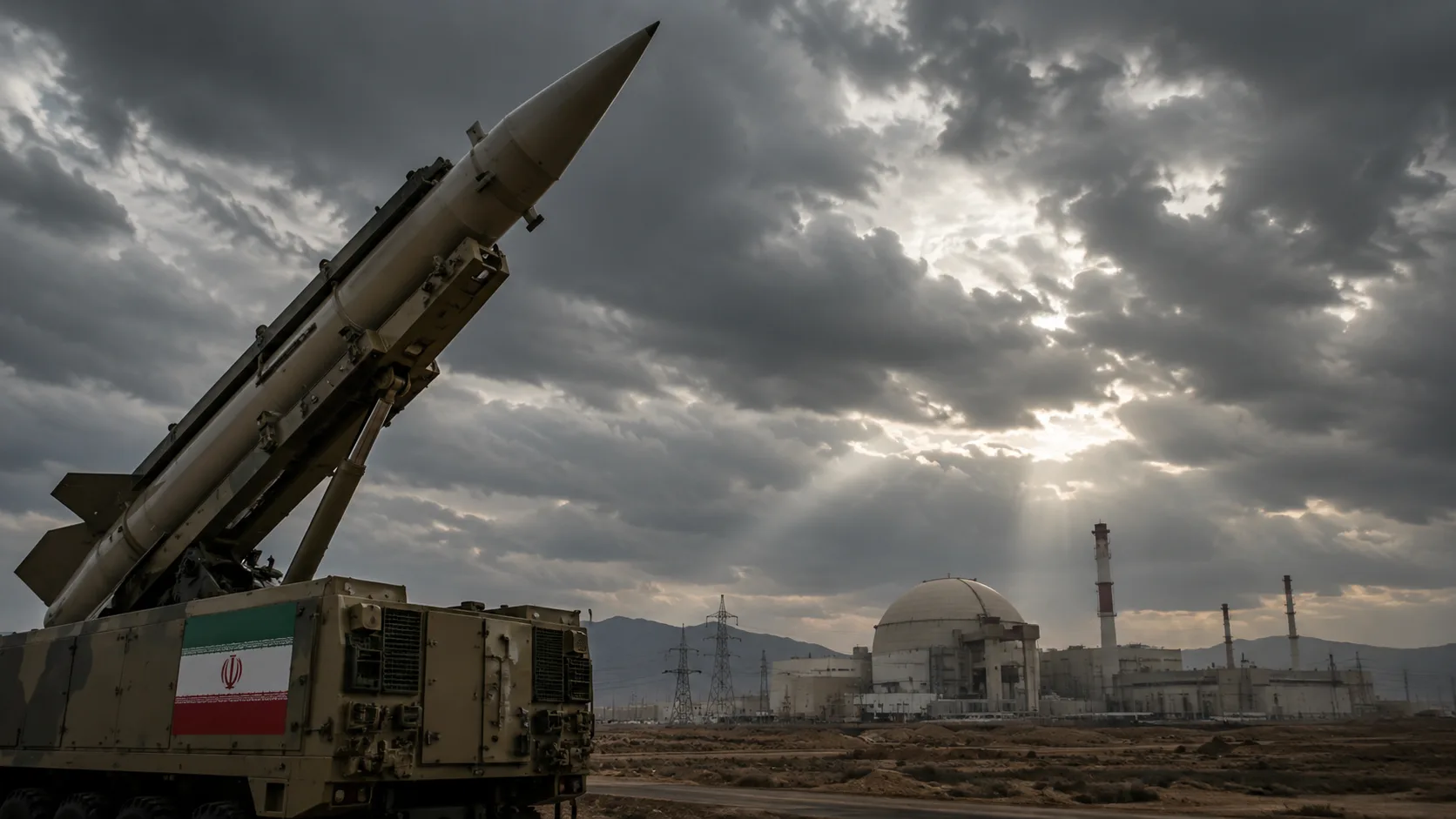
According to a report from The Wall Street Journal on Friday, October 23, Iranian officials have delivered warnings through both public statements and private diplomatic channels. Tehran says any new American offensive would bring retaliation against U.S. military forces and economic targets in neighboring Gulf countries.
The warnings come as negotiations remain stalled and President Donald Trump considers additional strikes against Iran, potentially following the November 3 midterm elections.
Iran Still Has Significant Military Capabilities
Despite months of U.S. and Israeli attacks, Iran retains substantial missile and drone stockpiles. Analysts estimate the country still possesses hundreds to thousands of ballistic missiles, while U.S. and regional officials believe limited missile production has resumed using existing components and underground facilities.
Iranian forces have already demonstrated their ability to strike targets throughout the region, including American military installations, energy infrastructure and international airports.
Tehran is now threatening to expand those attacks. Iranian officials have reportedly warned that U.S. warships could be targeted for destruction, while the Islamic Revolutionary Guard Corps has raised the possibility of severing undersea internet cables passing through the Strait of Hormuz.
The Pentagon reported in September that American strikes had destroyed up to 90% of Iran’s drone, ballistic missile and naval industrial base. However, the remaining weapons and launch systems could still cause significant damage, particularly as regional air-defense supplies come under pressure.
U.S. Moves More Military Forces Into Position
Washington is responding by strengthening its military presence while reducing the number of American personnel exposed to potential retaliation.
A third aircraft carrier strike group and an additional Marine expeditionary unit are reportedly heading toward the Middle East. Meanwhile, some U.S. troops have been relocated from vulnerable bases, and the State Department has ordered nonemergency government personnel and their families to leave Saudi Arabia.
The simultaneous military buildup and personnel withdrawals underscore the possibility of a wider confrontation.
Iran faces considerable risks of its own. Additional attacks on Gulf infrastructure could trigger devastating American and Israeli retaliation against its already weakened military and economy. Nevertheless, Iranian officials appear determined to demonstrate that further strikes would carry substantial costs for Washington and its regional allies.
Why Oil Markets Are Especially Vulnerable
The greatest immediate economic concern is the threat to the Persian Gulf’s energy infrastructure.
Iran has warned that pipelines, refineries, gas facilities and shipping routes could become targets in another round of fighting. Even limited disruptions could affect global energy supplies, particularly around the Strait of Hormuz, one of the world’s most important oil transportation routes.
Oil markets are already responding. Brent crude climbed to approximately $114.72 per barrel Friday morning, reaching its highest level in more than five months as concerns about renewed fighting intensified.
For investors, another escalation could have several consequences:
- Energy prices: Attacks on pipelines, refineries or tankers could push crude prices higher and increase transportation costs.
- Inflation: Sustained increases in oil prices could raise gasoline and production costs, complicating the Federal Reserve’s efforts to control inflation.
- Stocks and bonds: Higher inflation expectations could keep interest rates elevated, creating additional pressure on equities and bond prices.
- Global commerce: Attacks on airports, shipping routes or undersea communications infrastructure could disrupt trade and business operations beyond the energy sector.
Energy producers could benefit from higher commodity prices, although broader market volatility and disruptions to physical production would create risks across the sector.
The Biggest Risk May Be a Prolonged Disruption
Iran’s remaining military capabilities may be more important than the size of its arsenal suggests.
Relatively inexpensive drones, mines and missiles can threaten infrastructure worth billions of dollars. Even when attacks cause limited physical damage, they can force shipping companies to reroute vessels, increase insurance costs and create uncertainty about future energy deliveries.
That means Iran could impose substantial economic costs without sustaining a lengthy conventional military campaign.
However, there are limits to this strategy. Iran’s missile inventories have been depleted, its economy remains under severe pressure, and expanded attacks could provoke retaliation against its own energy and industrial facilities.
The outcome would depend heavily on whether attacks remain limited or produce lasting disruptions to oil production, transportation and regional commerce.
What Investors Should Watch Next
Three developments will be particularly important in the coming weeks.
First, whether Washington proceeds with additional strikes after the November 3 elections. Second, whether Iran targets Gulf energy infrastructure or commercial shipping more aggressively. Third, whether diplomatic negotiations resume before another major military confrontation develops.
Oil prices will be an important early indicator of how seriously markets assess the threat.
For investors, the concern extends well beyond another round of military strikes. A sustained disruption to Persian Gulf energy supplies could drive inflation higher, complicate Federal Reserve policy and introduce another significant source of volatility into global financial markets.
About Author