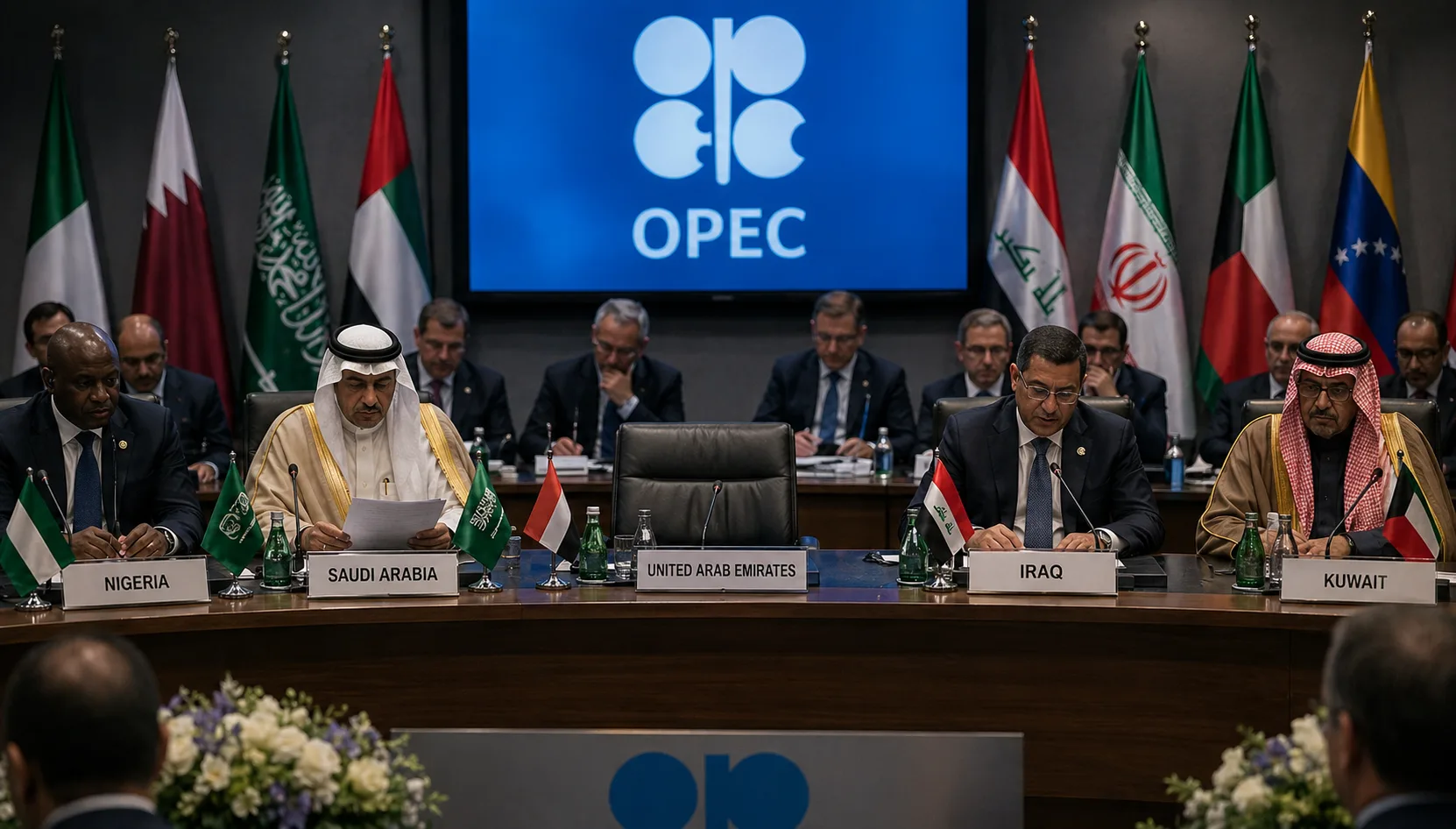
Mortgage rates are climbing again, and the timing is not random. A surge in global energy prices tied to escalating tensions in the Middle East is now feeding directly into borrowing costs for American homebuyers.
According to the latest data from Freddie Mac, the average 30-year fixed mortgage rate rose to 6.38 percent, while the 15-year fixed rate climbed to 5.75 percent. That marks the highest level for both benchmarks since early September, reversing what had briefly looked like a meaningful decline earlier this year.
What’s Driving Mortgage Rates Higher
Mortgage rates do not move in isolation. They track closely with Treasury yields, inflation expectations, and global risk sentiment. Right now, all three are being pushed in the wrong direction.
The biggest driver is the ongoing geopolitical conflict involving Iran and its impact on global energy supply chains. Oil markets have been rocked by disruptions in the Strait of Hormuz, a critical chokepoint through which roughly 20 percent of the world’s oil flows.
Brent crude has surged to around $110 per barrel, while U.S. benchmark crude is hovering near $97. That kind of price spike feeds directly into inflation expectations, which in turn pushes bond yields higher and mortgage rates along with them.
A Sharp Reversal From Earlier This Year
The recent move higher comes after a brief window of relief for homebuyers.
At the end of February, mortgage rates dipped below 6 percent for the first time in roughly three years. By March 12, the 30-year rate had already rebounded to 6.11 percent. Now, just weeks later, it has climbed to 6.38 percent.
That kind of volatility is becoming the new normal.
“Mortgage rates this week averaged 6.38%,” said Sam Khater, Freddie Mac’s chief economist. “The housing market continues to show gradual improvements compared to a year ago amid recent rate volatility. Purchase and refinance applications are up year-over-year, and rates remain lower than last year when they averaged 6.65%.”
His point matters. Rates are rising, but they are still slightly below where they were a year ago. That nuance is getting lost in the headlines.
The Federal Reserve Is Holding, But Pressure Is Building
The Federal Reserve has kept its benchmark interest rate steady at a range of 3.5 percent to 3.75 percent as of mid-March. But that does not mean financial conditions are easing.
If anything, the Fed is being boxed in.
On one side, geopolitical tensions and rising oil prices are pushing inflation risks higher. On the other, economic growth remains uneven, and aggressive rate hikes could trigger a slowdown.
This creates a dangerous setup where mortgage rates can rise even without direct Fed action.
Energy Shock Is Hitting Consumers Fast
The impact of higher oil prices is already showing up in everyday costs.
Data from AAA shows the average price of regular gasoline in the U.S. has jumped to $3.98 per gallon, up a full dollar in just one month. Diesel prices have surged even more sharply, climbing to $5.30 per gallon.
This is not just a consumer problem. It feeds into transportation, manufacturing, and logistics costs across the economy, reinforcing inflation pressures that ultimately keep mortgage rates elevated.
Worst-Case Scenario: $150 Oil
Some of the biggest names in finance are warning that the situation could get worse.
BlackRock CEO Larry Fink has warned that oil hitting $150 per barrel could trigger a global recession. Meanwhile, United Airlines CEO Scott Kirby has said his company is preparing for oil prices to remain above $100 through 2027.
If either scenario plays out, mortgage rates are unlikely to move meaningfully lower anytime soon.
Trump Administration Moves to Stabilize Markets
Donald Trump has begun taking steps aimed at easing pressure on energy markets and, by extension, the broader economy.
The administration announced a temporary pause on strikes targeting Iranian energy infrastructure as negotiations continue. Iran has reportedly allowed some oil tankers to pass through the Strait of Hormuz, offering a short-term release valve for global supply.
In addition, the White House has:
- Temporarily lifted sanctions on certain oil shipments from Iran, Russia, and Venezuela
- Tapped the U.S. Strategic Petroleum Reserve
- Encouraged increased domestic oil production
- Relaxed shipping regulations to improve fuel distribution
These moves are designed to stabilize prices, but markets remain skeptical about how long the relief will last.
What This Means for Homebuyers and Investors
For homebuyers, the message is straightforward. The window for lower mortgage rates has narrowed again.
Affordability is taking another hit just as housing supply remains tight. Even small increases in rates can significantly impact monthly payments, especially at today’s elevated home prices.
For investors, the implications are broader:
- Housing stocks may face renewed pressure if rates continue rising
- Homebuilders could see demand slow after a brief rebound
- Mortgage lenders may benefit from volatility but face weaker volume
- Energy stocks remain one of the clearest beneficiaries of the current environment
More importantly, this is a reminder that macro events are back in control of markets. The idea that inflation was fully contained is being challenged again.
The Bottom Line
Mortgage rates are rising not because of domestic policy alone, but because of global instability.
As long as oil prices remain elevated and geopolitical risks persist, borrowing costs are likely to stay volatile. That puts both the housing market and broader economic outlook in a fragile position.
Investors should be watching energy markets just as closely as they watch the Fed. Right now, oil may matter more.
About Author