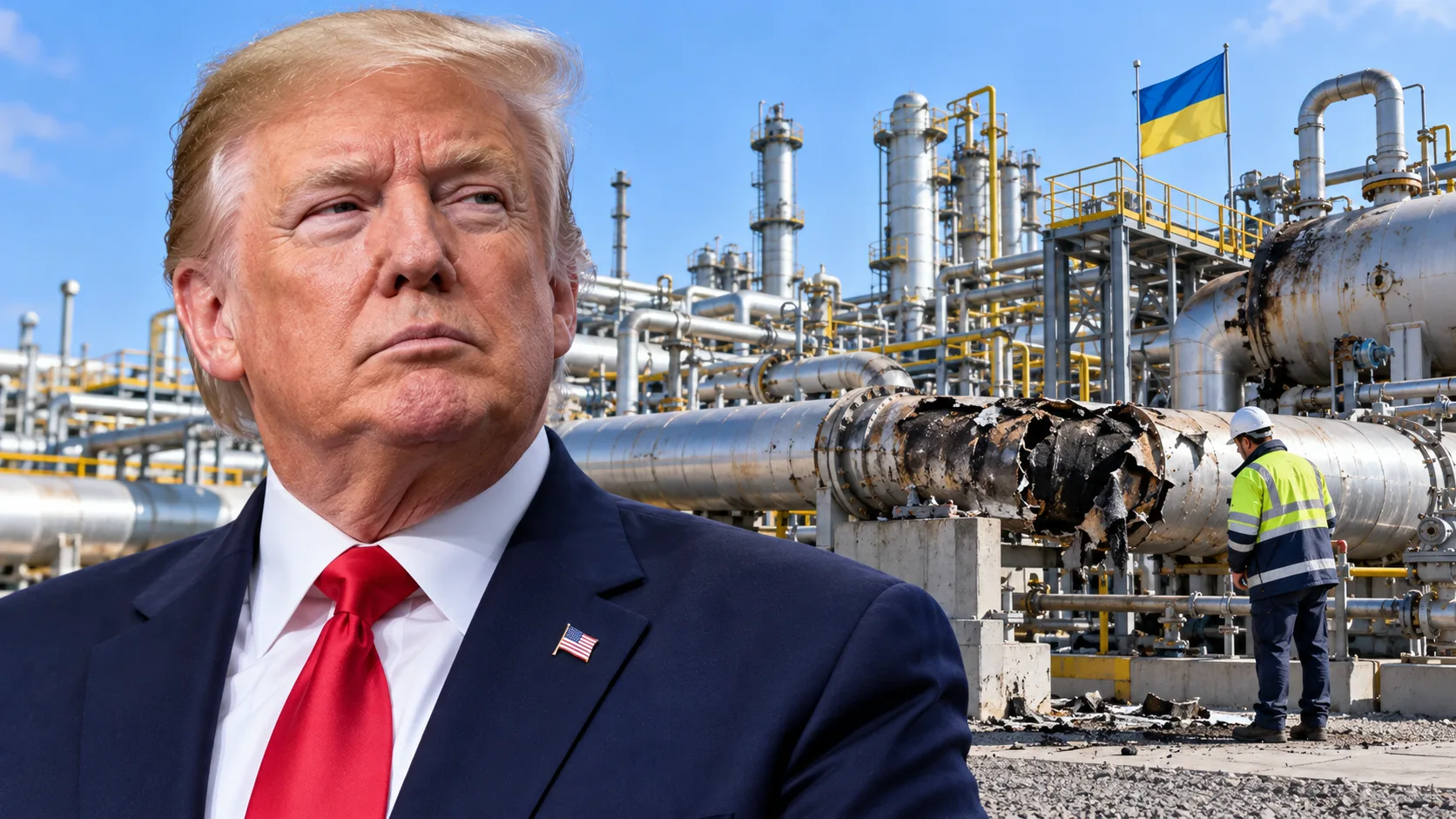
Oil markets snapped higher Wednesday after Vice President JD Vance warned that Iran failed to address critical U.S. demands in ongoing nuclear negotiations, raising fears that diplomacy may collapse and military action could follow.
U.S. crude surged roughly 3 percent, while global benchmark Brent climbed alongside it, as traders quickly priced in the growing risk of conflict in the Middle East. The move reversed earlier weakness in oil markets driven by hopes of a diplomatic breakthrough.
The sharp reaction underscores how sensitive global energy markets remain to geopolitical risk, especially when tensions involve Iran and the Strait of Hormuz, one of the most important oil transit chokepoints in the world.
Nuclear Talks Show Progress but Major Gaps Remain
U.S. and Iranian negotiators met in Geneva this week in another attempt to resolve the long-running dispute over Tehran’s nuclear program. Iranian officials described the talks as constructive and said both sides reached a general understanding on guiding principles, suggesting diplomacy was still alive.
That optimism initially pushed oil lower earlier in the week as traders bet a deal could eventually ease sanctions and increase global crude supply.
However, the tone shifted sharply after Vice President JD Vance publicly signaled that Iran failed to address core U.S. demands.
“In some ways it went well, they agreed to meet afterwards,” Vance said in a televised interview. “But in other ways it is very clear that the president has set some red lines that the Iranians are not yet willing to actually acknowledge and work through.”
His remarks injected fresh uncertainty into the market and revived the possibility that diplomacy could break down.
Military Option Back on the Table
The biggest catalyst behind oil’s surge was the renewed threat of force.
Vance reiterated that President Donald Trump reserves the right to use military power if negotiations fail to halt Iran’s nuclear ambitions. He emphasized the strength of the U.S. military and pointed to the administration’s willingness to act if necessary.
Recent developments support that warning. The United States has expanded its military presence in the region, including deploying multiple aircraft carriers to the Middle East as a contingency if talks collapse. Military analysts say such moves are designed both as deterrence and preparation.
Some geopolitical analysts now estimate a meaningful probability of U.S. strikes if diplomacy fails in the coming months.
For energy markets, even the perception of rising war risk can be enough to push prices higher.
Strait of Hormuz: The Global Oil Pressure Point
Tensions intensified further as Iran conducted military exercises in and around the Strait of Hormuz, the narrow waterway through which a significant portion of the world’s oil supply flows.
Iran temporarily closed parts of the strait during drills earlier this week, highlighting how quickly energy supply concerns can escalate.
Even brief disruptions matter. Nearly one-fifth of global oil consumption moves through the Strait of Hormuz, making it one of the most strategically vital energy corridors in the world.
Markets fear that any full-scale conflict could threaten shipping lanes, restrict supply, and trigger a sharp spike in oil prices. Analysts warn that repeated closures or attacks in the strait could send crude significantly higher, especially if exports from major Gulf producers are disrupted.
So far, shipping has continued, and analysts reported no confirmed halt in traffic during the most recent exercises. But the risk premium in oil is clearly rising.
Why Oil Markets React So Quickly to Geopolitics
Oil is one of the few global assets that responds instantly to geopolitical risk because supply disruptions can quickly affect the entire global economy.
When traders perceive even a small chance of conflict involving a major oil-producing region, prices tend to jump for several reasons:
- Potential supply disruption
- Shipping risk in key chokepoints
- Sanctions tightening or easing
- Military escalation scenarios
- Global inflation implications
Even if no conflict ultimately occurs, markets often price in a “risk premium” simply due to uncertainty.
That is exactly what happened this week.
Oil Volatility Likely to Continue
The current environment suggests continued volatility rather than a clear direction.
Recent days have seen oil fall on signs of diplomatic progress and rise again when tensions escalated. This back-and-forth reflects the uncertain path of negotiations.
Markets are now balancing three competing forces:
- Diplomacy that could eventually increase supply
- Military risk that could disrupt supply
- Broader global economic demand trends
Until clarity emerges on the future of U.S.-Iran relations, oil is likely to remain highly sensitive to headlines.
What This Means for Investors
For investors, the situation goes far beyond short-term oil price moves. Energy markets influence inflation, interest rates, equities, and geopolitical risk premiums across the global financial system.
Here are the key implications:
1. Energy Stocks Could See Continued Volatility
Oil price swings directly affect profitability for producers, refiners, and service companies. Rising geopolitical risk often supports energy equities in the short term.
2. Inflation Risk May Rise Again
If oil spikes significantly, inflation could reaccelerate, which would influence Federal Reserve policy and bond markets.
3. Defense Stocks Typically Benefit From Escalation
Periods of rising military tension often support defense contractors and security-related industries.
4. Global Markets Become More Fragile
Geopolitical uncertainty tends to increase volatility across equities, currencies, and commodities.
5. Oil Supply Shocks Still Matter
Even in today’s diversified energy landscape, disruptions in the Middle East remain one of the fastest ways to move global markets.
About Author