A massive oil pileup is forming on the ocean, and the market is struggling to price it. New sanctions, shifting alliances, and strategic stockpiling are distorting supply signals in a way traders have not seen in years.
A new and fast-growing supply glut is building offshore, raising major questions for energy markets and investors trying to interpret what is actually available to the global system. According to Vortexa, an oil analytics firm that tracks maritime flows, roughly 1.4 billion barrels of crude are currently “on the water.” That is 24 percent above the seasonal average between 2016 and 2024.
This figure includes cargo already headed toward a port and barrels still floating without a buyer. Either scenario creates uncertainty for prices because the market cannot easily determine whether this crude should be treated as real, usable supply or as stranded inventory.
Why Oil Is Piling Up at Sea
Multiple forces are driving the surge.
1. Mainstream producers are exporting more.
Vortexa data shows shipments from major exporters rose 16 percent year over year, reflecting a combination of OPEC+ gradually unwinding earlier production cuts and rising output from non-OPEC countries including the United States, Brazil, and Guyana. These flows alone would normally push prices lower.
2. Sanctioned barrels are flooding the water.
Oil from Russia, Iran, and Venezuela has increased sharply. The number of so-called “dark” barrels that are not fully trackable has jumped 82 percent in a single year, with most of the rise occurring in the past three months. These barrels often travel without transponders or documentation to obscure their origin.
And while the supply is rising, sanctions are choking off demand.
Buyers Are Pulling Back
India and China, the two largest purchasers of Russian crude, have recently stepped back after the White House sanctioned major Russian producers Lukoil and Rosneft in October. The U.S. also sanctioned a Chinese terminal in Shandong province that previously accepted Iranian shipments.
These restrictions have not stopped Russia or Iran from pumping oil, but they have made selling it significantly harder. As a result, vessels are remaining offshore for longer periods, effectively turning the open ocean into a giant floating storage hub.
Russian President Vladimir Putin, in a visit to Delhi last week, insisted Moscow remains prepared to deliver stable flows, saying he is ready to provide “uninterrupted” shipments of fuel to India. But whether he can re-route supply fast enough using new intermediaries, ship-to-ship transfers, or shadow-fleet logistics remains unclear.
The Market’s Dilemma: Should These Barrels Count as Real Supply?
That question is now front and center.
According to research firm Kpler, 15 percent of global crude supply is currently under sanction. Traders are debating whether stranded sanctioned barrels should still be considered part of available supply if the usual buyers refuse to take them.
If Russia and Iran manage to build new pathways to India or China, the pressure will shift back onto legally traded barrels. That would reduce demand for non-sanctioned producers and potentially weaken prices for Brent crude and West Texas Intermediate.
But if the stranded cargo remains stuck at sea, the oversupply may not immediately hit onshore storage or pricing hubs, muting any downward impact.
Why Brent Prices Have Been So Steady Despite the Glut
Typically, a build of this magnitude would push prices sharply lower. Yet Brent has held in a narrow 61 to 66 dollars per barrel range over the past two months.
A major reason appears to be China.
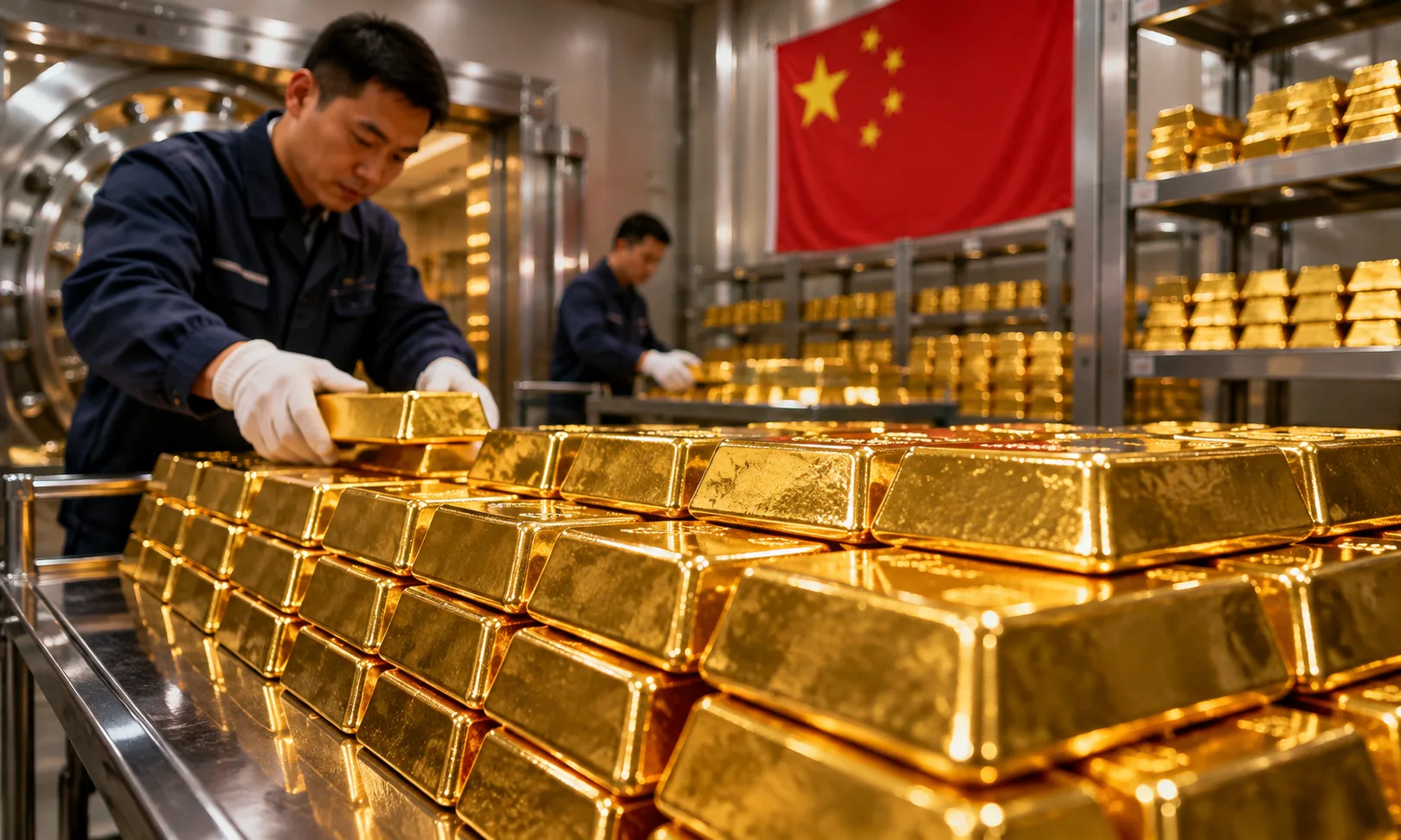
According to Rystad Energy, China has been placing roughly 290,000 barrels per day into storage this year, accumulating an estimated 97 million barrels so far. China has accelerated stockpiling out of concern that geopolitical tensions could interrupt energy shipments. These barrels behave differently from commercial inventories because they function as strategic reserves, which do not respond to short-term market conditions.
This matters because inventories in OECD countries, which are closely watched by traders, influence price expectations much more directly. If China’s extra crude had shown up in places like the United States, the impact would have been severe.
Rystad estimates that if even half of China’s added barrels had instead landed at Cushing, Oklahoma, storage would have climbed to around 70 million barrels, a level consistent with the historic 2020 breakdown when WTI briefly turned negative as sellers ran out of space and were forced to pay buyers to take crude off their hands.
What Investors Should Watch Next
Right now, the market is unusually calm given the level of oversupply. That calm will not last forever.
1. Watch for any sign the floating glut moves onshore
A sudden jump in U.S. or European inventories could break the price floor. Traders remember what happened in 2020, and storage dynamics can change quickly.
2. Look for confirmation that Russia and Iran have found new buyers
If re-routing succeeds, legal oil producers could see demand weaken, especially if OPEC+ decides to maintain current output levels. Energy-linked equities could feel the impact first.
3. Monitor China’s appetite for continued stockpiling
Beijing has been buying aggressively, but stockpiles have limits. A pullback would send more crude back into global circulation, increasing downward pressure.
4. Keep an eye on diplomatic developments
The sanctions landscape is shifting fast. New designations, exemptions, or enforcement changes could swing supply expectations within days.
About Author