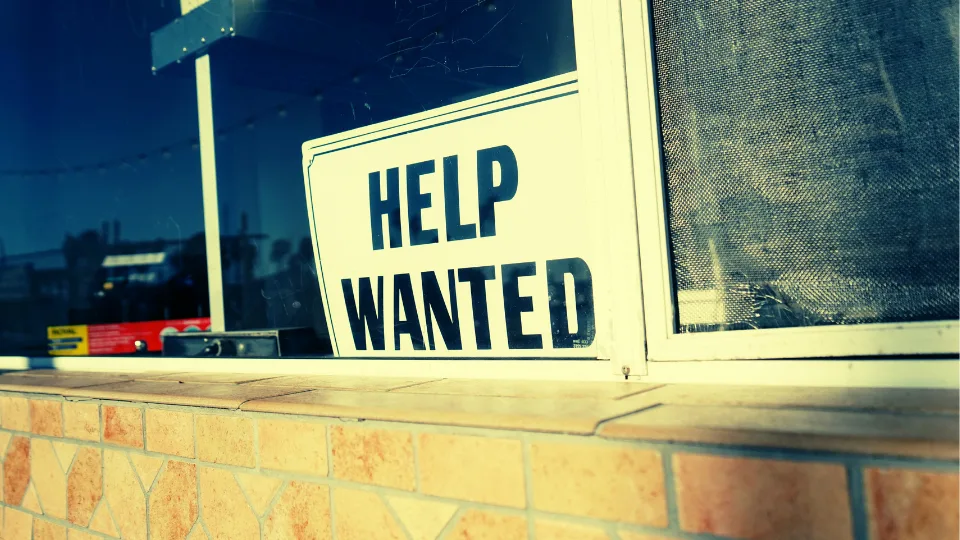
The U.S. restaurant industry had a rough 2025. While inflation cooled from its peak, the damage to consumer behavior lingered. Households became more selective about discretionary spending, traffic softened, and price sensitivity remained elevated across income brackets. For many restaurant chains, especially those already struggling with thin margins or outdated footprints, the response was decisive: close underperforming locations and retrench.
According to industry data from Black Box Intelligence, same-store traffic declined in nearly every month of 2025, with July standing out as the lone exception. That persistent weakness forced restaurant operators to confront hard truths about demand, real estate strategy, and cost structures. Unlike previous downturns that disproportionately hit casual dining, this cycle spread across fast food, fast casual, and full-service brands.
Why Restaurant Closures Accelerated in 2025
Restaurant closures are not inherently negative. In many cases, they reflect rational capital discipline rather than distress. But the scale and breadth of closures in 2025 reveal deeper trends:
- Consumers increasingly traded down, opting for value meals, grocery store prepared foods, or eating at home.
- Labor costs remained elevated, especially in urban markets with minimum wage hikes.
- Commercial rents reset higher for many leases signed pre-pandemic.
- Delivery and digital ordering failed to fully offset in-store traffic declines.
- Brands with bloated footprints faced pressure from shareholders to improve returns on invested capital.
The result was a wave of closures that touched nearly every major restaurant category.
Starbucks
In September, Starbucks unveiled a sweeping restructuring plan totaling roughly $1 billion. A key component was the decision to close about 500 North American locations. The move included the shutdown of high-profile sites, including the company’s upscale Reserve Roastery in Seattle.
The decision came roughly one year into CEO Brian Niccol’s tenure. His mandate has been clear: stabilize U.S. traffic, simplify operations, and refocus on core profitability. While Starbucks remains a dominant global brand, its U.S. business has faced slowing transaction growth and increased competition from independent coffee shops and value-oriented chains.
For investors, the closures signal a pivot toward margin protection rather than unit growth. Starbucks is expected to provide further detail on its turnaround strategy at its upcoming investor day in New York.
Wendy’s
Wendy’s announced in November that it would begin closing underperforming locations as part of a broader strategic review of its restaurant footprint. While management did not disclose an exact number, executives indicated that a mid-single-digit percentage of U.S. stores could be shuttered. That implies hundreds of locations nationwide.
The closures are tied to Wendy’s “Project Fresh” initiative, which aims to modernize restaurants and improve customer experience. However, the effort has not yet translated into consistent same-store sales growth. That stands in contrast to rivals like McDonald’s and Burger King, which benefited from aggressive value promotions.
Wendy’s had already closed about 140 locations in 2024. The additional pullback in 2025 underscores how competitive the fast-food segment has become, especially for chains caught between premium pricing and value expectations.
Denny’s
Denny’s disclosed early in 2025 that it planned to close between 70 and 90 restaurants during the year. The classic diner brand struggled as breakfast-focused consumers increasingly gravitated toward cheaper fast-food alternatives or at-home options.
The closures were part of a broader effort to rationalize the brand’s footprint and improve unit economics. Later in the year, Denny’s announced it would be acquired for approximately $620 million by a consortium led by Yadav Enterprises, TriArtisan Capital Advisors, and Treville Capital Group.
The transaction, expected to close in early 2026 pending regulatory approval, reflects a broader private equity interest in legacy restaurant brands that can be streamlined and repositioned.
Jack in the Box
In April, Jack in the Box outlined plans to close between 150 and 200 restaurants under its “Jack on Track” financial improvement strategy. By the end of fiscal 2025, the company had permanently shut 86 locations.
The closures were aimed at improving cash flow, reducing leverage, and refocusing on higher-performing markets. Like many regional fast-food chains, Jack in the Box faced uneven performance across its footprint, with some legacy locations no longer justifying continued investment.
Bahama Breeze
Darden Restaurants made a decisive move in May by closing 15 Bahama Breeze locations, roughly one-third of the brand’s total footprint. Following the closures, Darden signaled that Bahama Breeze was no longer a strategic priority.
Management is now evaluating strategic alternatives, including selling the brand outright or converting locations into other Darden concepts such as Olive Garden. A final decision is expected by the end of Darden’s fiscal 2026 in May.
For investors, the takeaway is clear: Darden is prioritizing brands with scale, pricing power, and consistent traffic over niche concepts with volatile demand.
Hardee’s
Hardee’s closures in 2025 were driven largely by franchisee issues rather than consumer demand alone. Dozens of locations are set to close following a legal dispute between the franchisor and ARC Burger, one of its largest operators.
ARC Burger, owned by private equity firm High Bluff Capital Partners, previously operated 77 Hardee’s locations across eight states. According to legal filings, the franchisor alleged that ARC fell behind on royalties, rent, and taxes.
The episode highlights the risks embedded in franchise-heavy business models, particularly when operators face tightening credit conditions.
Papa John’s
Papa John’s closed 173 restaurants globally during the first three quarters of 2025. While most closures occurred internationally, 62 U.S. locations were also shuttered.
Despite the pullback, the company still operated nearly 6,000 restaurants worldwide as of late September. Management framed the closures as part of an ongoing effort to optimize the system and exit underperforming markets.
The pizza category remains highly competitive, with price promotions and delivery costs continuing to pressure margins.
Noodles & Company
Noodles & Company closed 29 company-owned restaurants by the end of October and plans to shut an additional two to five locations before year-end. The chain also disclosed plans to close another 12 to 17 stores by the end of 2026.
Management said the closures are designed to improve profitability at nearby locations and strengthen the overall financial profile of the company. In 2024, Noodles & Company had already closed 20 restaurants.
This reflects a broader trend among fast-casual brands to consolidate rather than chase expansion.
Outback Steakhouse
Bloomin’ Brands closed 21 restaurants in October, impacting Outback Steakhouse as well as Bonefish Grill and Carrabba’s Italian Grill. Outback remains the company’s largest and most important brand.
Executives also identified nearly two dozen additional locations that will not renew leases over the next four years. Alongside the closures, Bloomin’ announced a $75 million turnaround initiative aimed at improving sales and financial performance.
The strategy suggests a longer-term recalibration rather than a short-term reaction to weak demand.
What This Means for Investors
Restaurant closures in 2025 tell a broader story about the U.S. consumer and the evolving economics of dining out.
For investors, several takeaways stand out:
- Footprint discipline is becoming a competitive advantage rather than a sign of weakness.
- Brands with strong value propositions and operational efficiency are gaining share.
- Franchise risk is rising as credit tightens and labor costs remain elevated.
- Private equity continues to see opportunity in distressed but recognizable brands.
- Real estate strategy is now as important as menu innovation.
The restaurant industry is not collapsing, but it is consolidating. Companies willing to shrink to grow are positioning themselves for healthier margins when consumer spending eventually rebounds.
About Author