
Rising Treasury yields are creating new challenges for retirees, pushing down bond prices and pressuring popular dividend-paying stocks. But higher interest rates are also creating opportunities for investors looking to generate reliable retirement income.
The key is knowing where to put your money and how to protect the savings you’ve worked decades to build.
Why Higher Treasury Yields Are a Concern
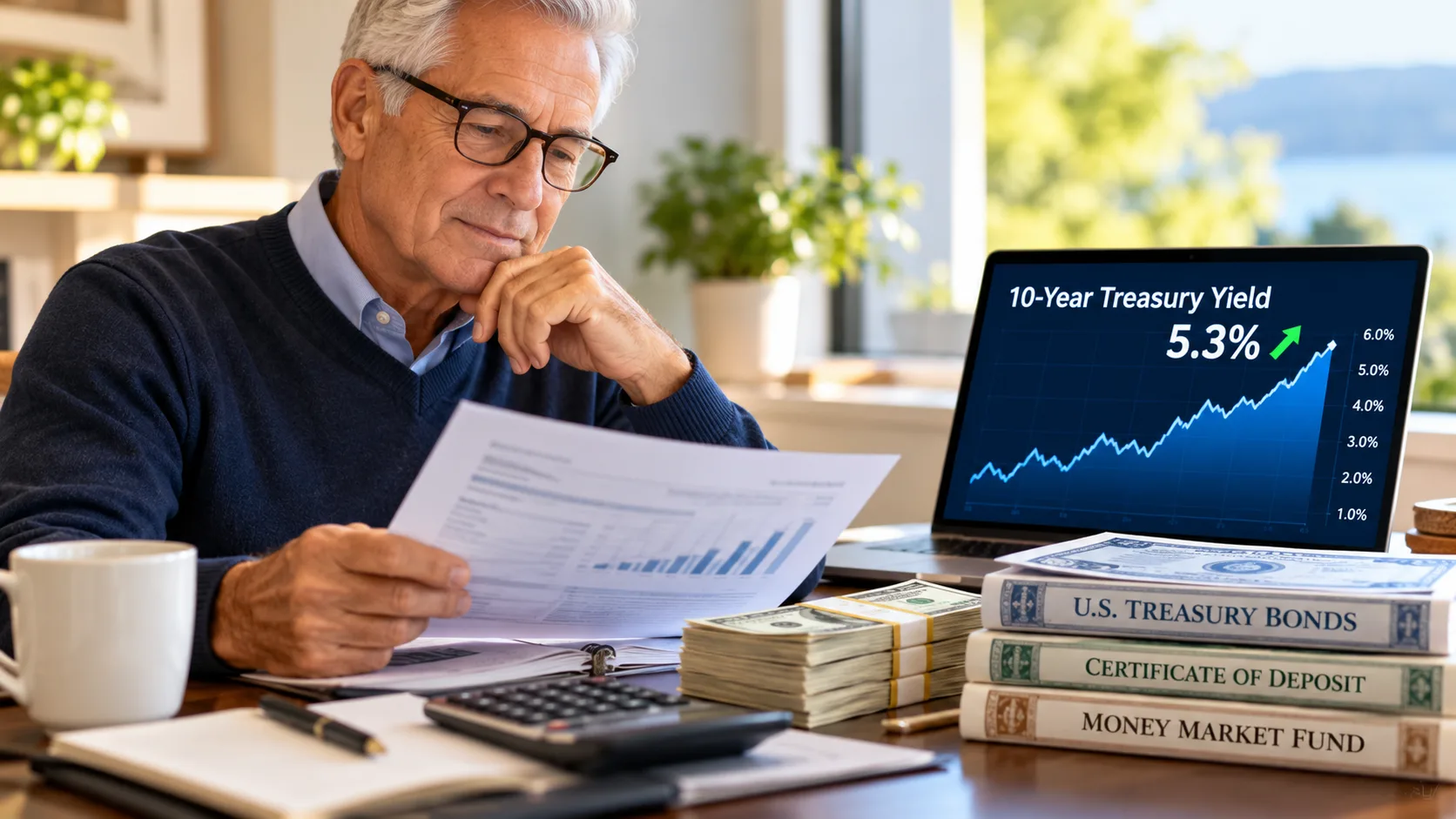
The yield on the benchmark 10-year U.S. Treasury recently climbed above 5.3%, reaching its highest level in roughly 24 years. Although yields have since retreated toward 5.1%, the volatility has created uncertainty for investors who depend on bonds and dividend stocks for income.
The problem is straightforward. When Treasury yields rise, existing bond prices generally fall. Higher yields can also make dividend-paying stocks less attractive, particularly in sectors such as real estate, utilities and financials.
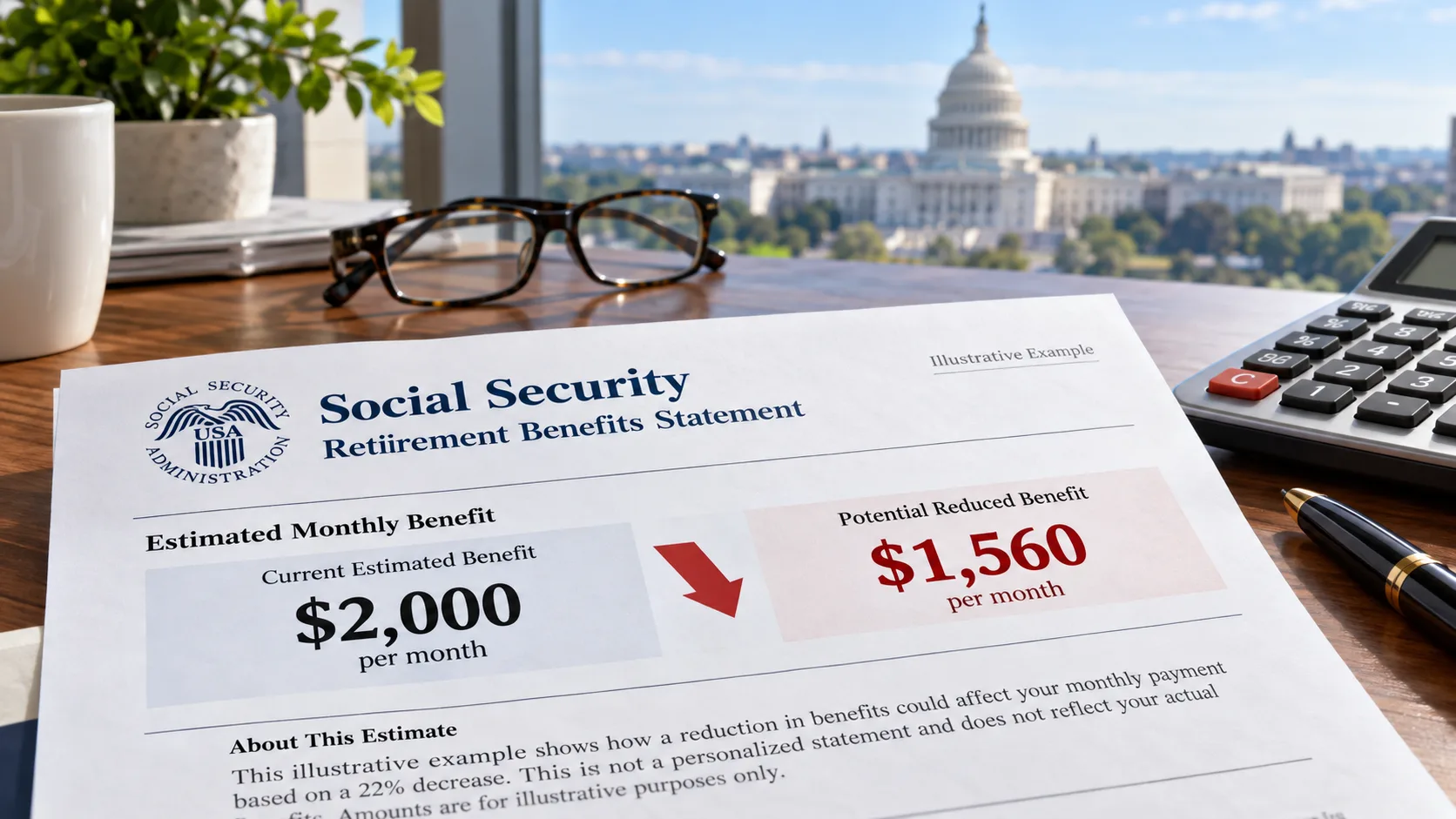
For retirees, that can mean watching the value of their portfolios decline even as they continue relying on those investments to cover everyday expenses.
However, financial advisors say there are several practical steps retirees can take to strengthen their income and manage the risks.
1. Keep Enough Cash to Avoid Selling Investments at a Loss
One of the simplest ways to protect retirement savings is to maintain enough cash to cover approximately six to 12 months of living expenses and planned withdrawals.
Having that cushion can help retirees avoid selling stocks or bonds during a market downturn just to pay their bills.
Higher interest rates have also made cash investments more attractive. Money market funds and short-term Treasury securities can provide meaningful interest income while limiting exposure to the price swings associated with longer-term bonds.
For example, investors can consider the Vanguard Federal Money Market Fund (VMFXX) or Fidelity Money Market Fund (SPRXX) for cash reserves.
Those willing to accept some additional risk may also consider ultra-short-term bond ETFs, including the iShares Ultra Short Duration Bond Active ETF (ICSH) and Vanguard Ultra-Short Bond ETF (VUSB).
These investments generally experience smaller price swings when interest rates change, although bond ETFs can still lose value and money market funds are not FDIC-insured.
2. Rebalance Your Portfolio to Reduce Risk
Market volatility can also create an opportunity to review your investments and make sure your portfolio remains properly diversified.
For example, retirees who have benefited from strong gains in large-cap growth stocks may now hold more exposure to those companies than originally intended.
Selling a portion of those winners and reallocating the proceeds toward bonds or other underrepresented investments can help bring a portfolio back into balance.
Some financial advisors have also been looking at opportunities in smaller companies and mid-cap stocks that have recently underperformed the broader market.
However, retirees should be careful about taking on additional stock market risk simply because an investment has fallen in price. The goal is to maintain a portfolio that supports retirement spending while keeping potential losses manageable.
3. Turn Investment Losses Into Potential Tax Savings
Falling bond prices may have an unexpected benefit for retirees holding investments in taxable brokerage accounts.
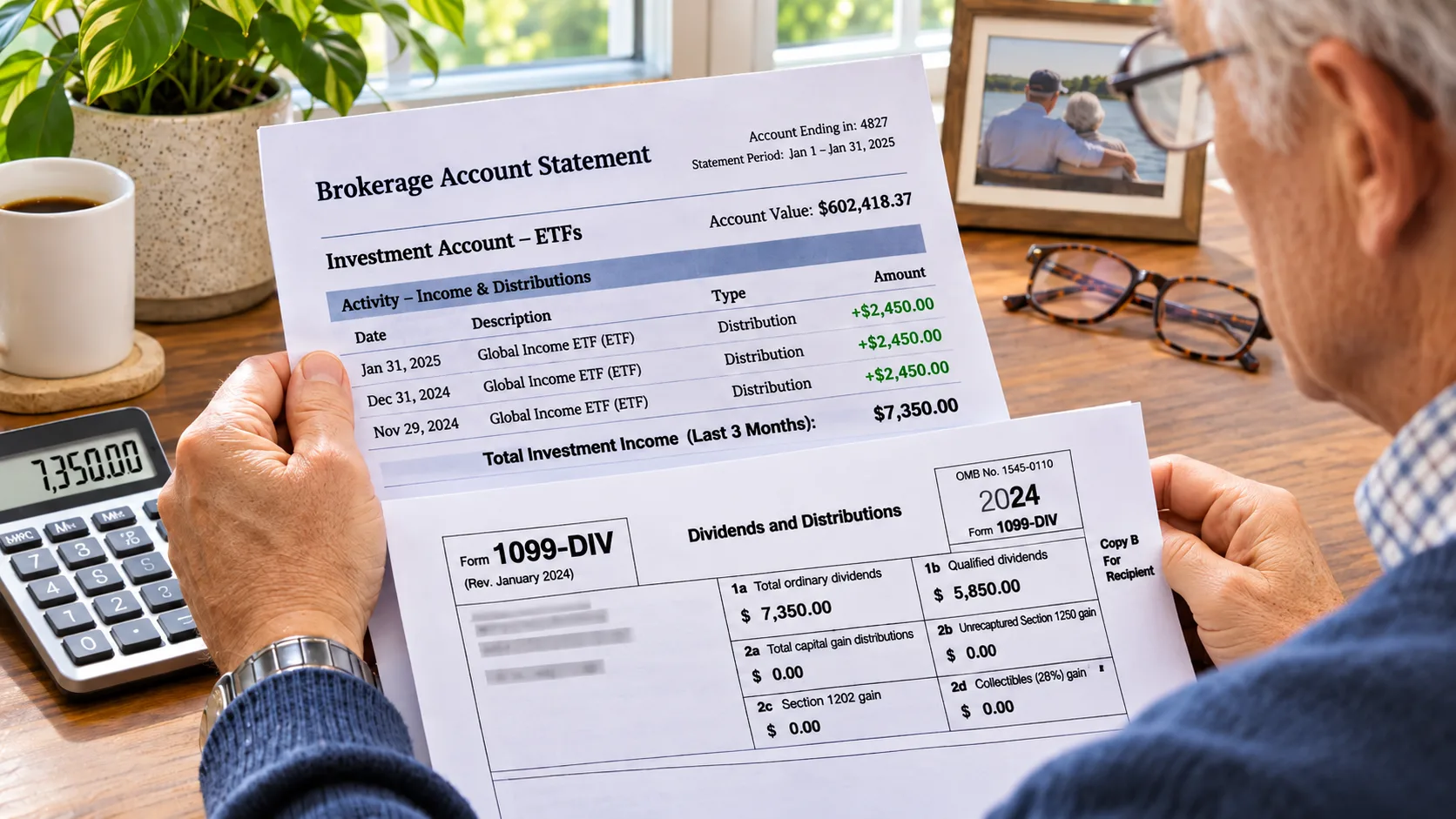
Through a strategy known as tax-loss harvesting, investors can sell investments that have declined in value and use those losses to offset capital gains elsewhere in their portfolios.
If investment losses exceed capital gains, investors can generally deduct up to $3,000 against ordinary income annually, or $1,500 for married taxpayers filing separately. Additional losses can be carried forward to future tax years.
There is an important restriction. The IRS wash-sale rule can prevent an immediate tax deduction if an investor purchases a substantially identical security within 30 days before or after selling an investment at a loss.
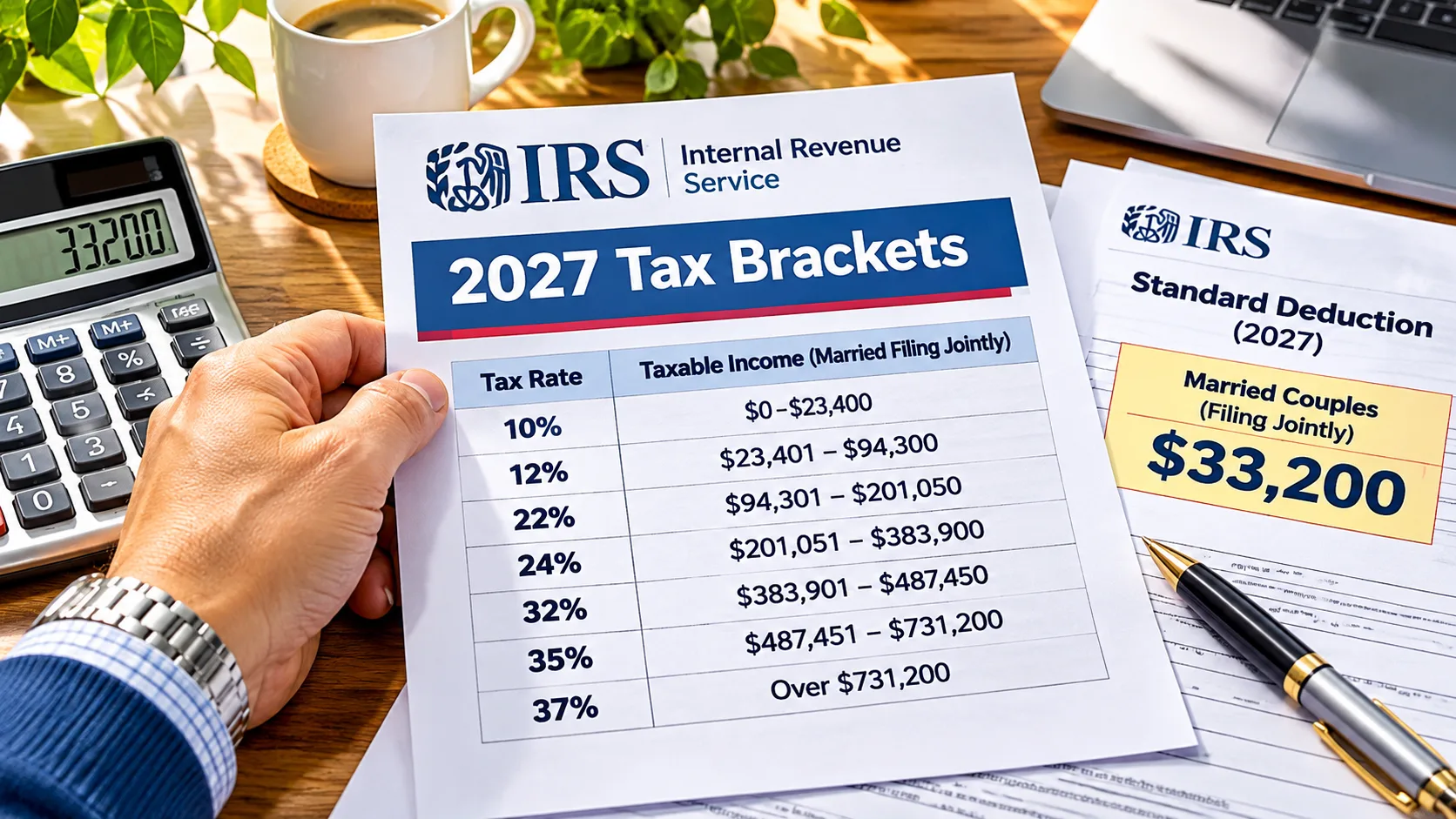
Investors in higher tax brackets may also want to evaluate municipal bonds, which can offer federal tax-exempt interest income and, in some cases, state tax benefits.
Tax-loss harvesting generally applies to taxable accounts rather than traditional IRAs or 401(k)s.
Higher Yields May Actually Benefit Retirees Over Time
Despite the recent market turmoil, higher interest rates are not necessarily bad news for retirement investors.
For years, retirees struggled to generate meaningful income from relatively conservative investments. Now, newly purchased bonds and other fixed-income securities can provide higher yields than investors became accustomed to during the era of near-zero interest rates.
For example, a $200,000 investment earning 5% annually would generate approximately $10,000 in yearly interest before taxes, assuming the rate remains in place.
That creates an opportunity for retirees to potentially earn more income while relying less heavily on dividend stocks or selling investments to fund their retirement.
The trade-off is that bonds with longer maturities remain vulnerable to additional rate increases. Investors should also consider inflation, credit risk and whether they will need access to their principal before maturity.
What Retirees Should Watch Next
The direction of Treasury yields will remain important, particularly as investors evaluate inflation, Federal Reserve policy and the government’s borrowing needs.
If yields continue rising, longer-term bonds and interest-rate-sensitive stocks could experience additional pressure. If yields stabilize or decline, existing bond holdings could recover some of their lost value.
For retirees, the most important takeaway is simple: maintain sufficient cash, keep your portfolio diversified and use market volatility to improve your long-term income strategy.
Higher rates can create short-term losses, but they can also provide an opportunity to build a stronger and more dependable retirement income stream.
About Author