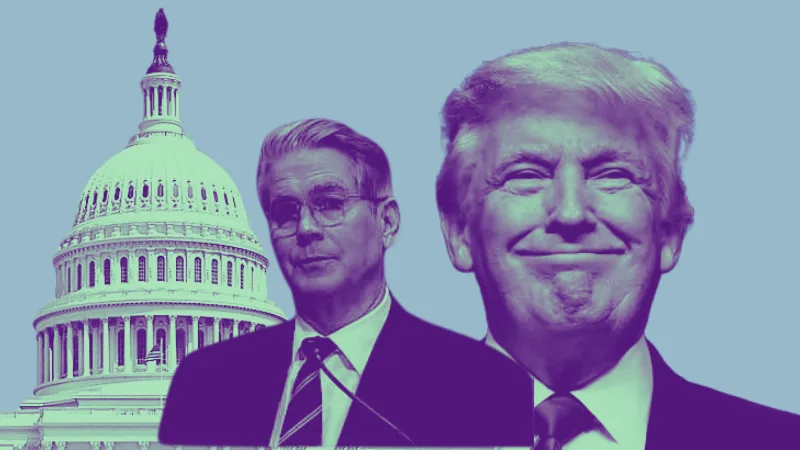
President Donald Trump is sending a clear message to allies and adversaries alike that the United States intends to reassert global leadership, according to Treasury Secretary Scott Bessent, as tensions rise over Trump’s aggressive push to acquire Greenland and confront European trade practices.
Speaking with CNBC during the World Economic Forum in Davos, Switzerland, Bessent framed the administration’s posture as a return to hard power diplomacy, economic leverage, and strategic positioning. Trump is scheduled to address global business and political leaders at the forum, adding further weight to what has become one of the most closely watched gatherings of the year.
“The U.S. is back, and this is what U.S. leadership looks like,” Bessent told CNBC when asked about the president’s agenda.
That declaration comes amid mounting diplomatic friction across Europe and renewed uncertainty in global markets as investors digest escalating tariff threats, military posturing in the Arctic, and widening disagreements over energy, defense spending, and pharmaceutical pricing.
Greenland Push Sends Shockwaves Through NATO
At the center of the controversy is Trump’s renewed push to bring Greenland under U.S. control, a move that has unsettled European allies and triggered concern inside NATO about alliance unity.
Greenland, while self-governing, remains part of the Kingdom of Denmark and occupies a strategically critical position in the Arctic. The island sits along key shipping routes that are becoming increasingly accessible due to melting ice, and it holds vast reserves of rare earth minerals that are essential for defense systems, electric vehicles, and advanced electronics.
Trump has repeatedly argued that Greenland is vital to U.S. national security, frequently citing concerns over growing Russian and Chinese influence in the Arctic. The U.S. already operates military facilities on the island, but the administration has signaled that long-term control would provide a stronger defensive and economic foothold.
Bessent echoed that logic in his CNBC interview.
“U.S. control of Greenland was ‘important,’” Bessent said, adding: “That will stop any kind of a kinetic war, so why not pre-empt the problem before it starts?”
Those remarks come as Denmark reportedly deployed additional troops to Greenland for a military exercise, underscoring how seriously European governments are taking the situation.
Markets have also taken notice. Defense stocks, energy producers, and mining companies tied to rare earth supply chains have seen increased trading activity as investors position for potential policy shifts and geopolitical escalation.
Tariffs Escalate Trade Tensions With Europe
Compounding the Greenland dispute, Trump announced sweeping new tariffs overnight, including a 200% tariff on French wines and Champagne. He also criticized the United Kingdom for showing what he called “total weakness” by transferring sovereignty of the Chagos Islands to Mauritius.
The tariff announcement rattled European markets and sparked renewed concerns about a widening trade confrontation between Washington and Brussels. European leaders have hinted at possible retaliation, though formal action has not yet been announced.
Bessent dismissed Europe’s likely response as slow and bureaucratic.
“My guess is their next move will be to form a working group, the dreaded European working group,” Bessant said.
The remark highlights a broader frustration within the Trump administration that European governments move too cautiously and often fail to match U.S. urgency on security and trade matters.
For investors, tariff escalation raises the risk of higher import prices, retaliatory trade measures, and volatility in sectors such as luxury goods, agriculture, transportation, and consumer discretionary stocks. Currency markets also remain sensitive, particularly the euro and British pound, as trade tensions feed into growth expectations.
Defense Spending and the Ukraine War Remain Flashpoints
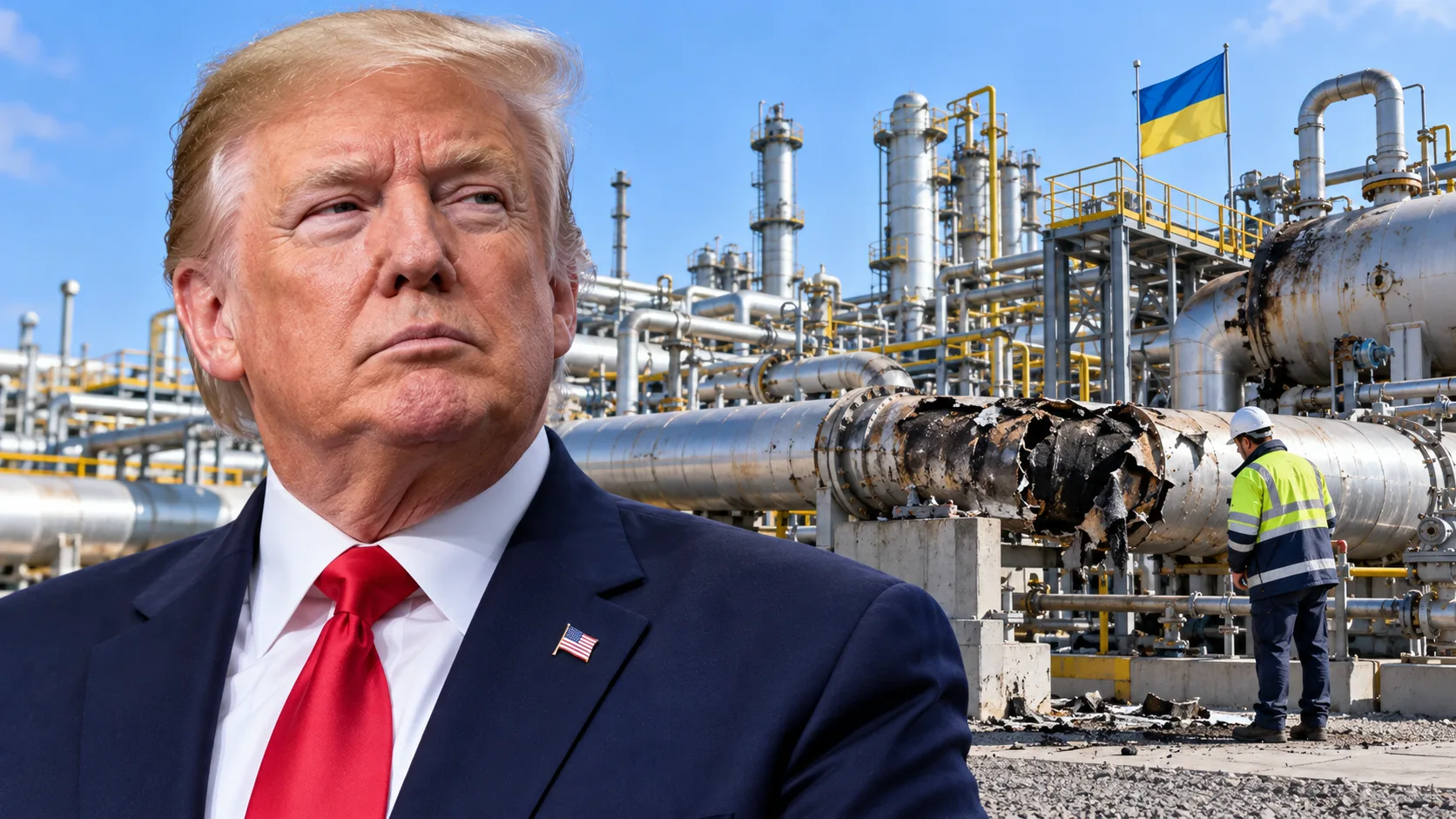
Bessent also renewed pressure on European governments to increase defense spending and reduce reliance on Russian energy, particularly as the war in Ukraine continues into its fourth year.
“While the Europeans were building schools, having healthcare, we have been defending the world,” Bessent said.
He criticized Europe’s continued purchases of Russian energy products, arguing that the continent is indirectly financing the conflict.
“They are still buying Russian energy, they’re still buying refined products from India made from Russian oil, so four years in, the Europeans are still financing the war against themselves,” Bessant said.
According to recent energy data, Europe remains the largest buyer of Russian liquefied natural gas, while still importing a small but meaningful percentage of Russian crude oil through indirect channels. New European Union sanctions targeting refined products made from Russian oil are scheduled to take effect this week, though enforcement and compliance remain key questions.
Energy traders are closely watching whether tighter sanctions could further tighten global supply and push oil and natural gas prices higher. Any sustained spike in energy costs could reignite inflation concerns and complicate central bank policy across Europe and the U.S.
Pharmaceutical Pricing Draws Fresh Scrutiny
Another area of tension involves pharmaceutical pricing, where Bessent accused European countries of benefiting from artificially low drug prices at the expense of American consumers.
He described Europe as “free riding” on medication costs and pointed to recent agreements aimed at narrowing the price gap between the U.S. and overseas markets.
In December, nine of the largest pharmaceutical companies signed deals to lower their prices in the U.S. with the goal of gradually aligning pricing with international levels.
“The idea here is equalisation over time, the U.S. consumer and our health services will pay less and the Europeans have to pay more, they’ve been free riding.”
If implemented fully, the pricing shifts could have meaningful implications for pharmaceutical company margins, healthcare insurers, and government healthcare budgets. Investors in large drugmakers may face pressure on profitability in the near term but could benefit from expanded volume and reduced political risk over the longer horizon.
Healthcare stocks reacted modestly following the comments, but analysts caution that regulatory implementation and negotiation timelines could stretch for years.
Mineral Supply Chains and China’s Strategic Grip
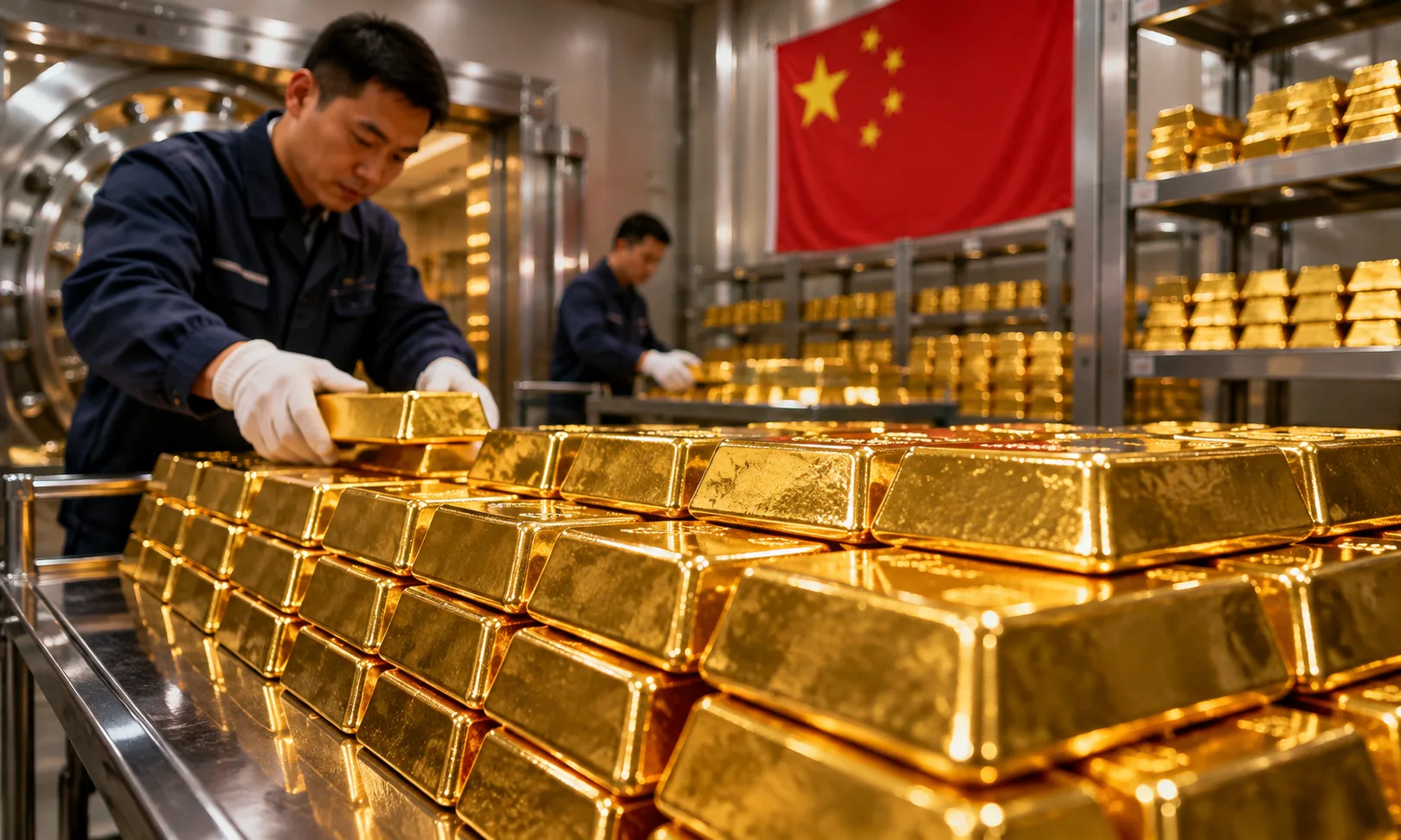
Bessent also highlighted growing concerns about China’s dominance in critical mineral supply chains, an issue that has become central to U.S. industrial policy, defense readiness, and clean energy expansion.
He said he recently met with leaders from the G7 along with Mexico, India, South Korea, and Australia to coordinate efforts to reduce dependence on Chinese-controlled minerals.
The goal, Bessent said, was to “avoid this chokehold that China has on minerals.”
Minerals such as lithium, cobalt, nickel, and rare earth elements are essential for electric vehicles, advanced weapons systems, renewable energy infrastructure, and semiconductor manufacturing. China controlled more than two-thirds of rare earth mine production in 2024, giving Beijing significant leverage over global supply chains.
Recent U.S. policy initiatives have focused on expanding domestic mining, reshoring processing capacity, and securing alternative supply agreements with allies. Investors have increasingly targeted mining companies, battery technology firms, and infrastructure projects positioned to benefit from this supply chain diversification.
Any acceleration of mineral independence initiatives could create long-term investment opportunities, particularly in North American mining, recycling technologies, and advanced manufacturing.
What This Means for Markets and Investors
The convergence of Greenland geopolitics, tariff escalation, defense spending pressure, energy policy disputes, and mineral supply chain realignment underscores a broader theme: the Trump administration is using economic and strategic leverage more aggressively to reshape global power dynamics.
For investors, several key implications stand out:
- Defense and aerospace stocks may benefit from higher global military spending and heightened geopolitical risk.
- Energy markets could remain volatile as sanctions tighten and geopolitical tensions persist in Europe and the Middle East.
- Mining and critical minerals companies may see increased investment flows as governments seek supply chain security.
- Pharmaceutical companies face evolving pricing pressures that could reshape revenue models over time.
- Currency and bond markets may experience increased volatility as trade disputes influence inflation and growth expectations.
While short-term volatility is likely, long-term investors may find opportunities in sectors aligned with national security, domestic manufacturing, and strategic resource independence.
Trump’s upcoming address in Davos is expected to further clarify policy priorities and potentially introduce new initiatives or trade warnings. Markets will be listening closely for signals on tariffs, defense commitments, energy policy, and international alliances.
As Bessent made clear, the administration believes it is entering a new phase of assertive American leadership on the world stage.
“The U.S. is back, and this is what U.S. leadership looks like.”
Whether global markets embrace or resist that shift will shape investment outcomes well into the coming year.
About Author