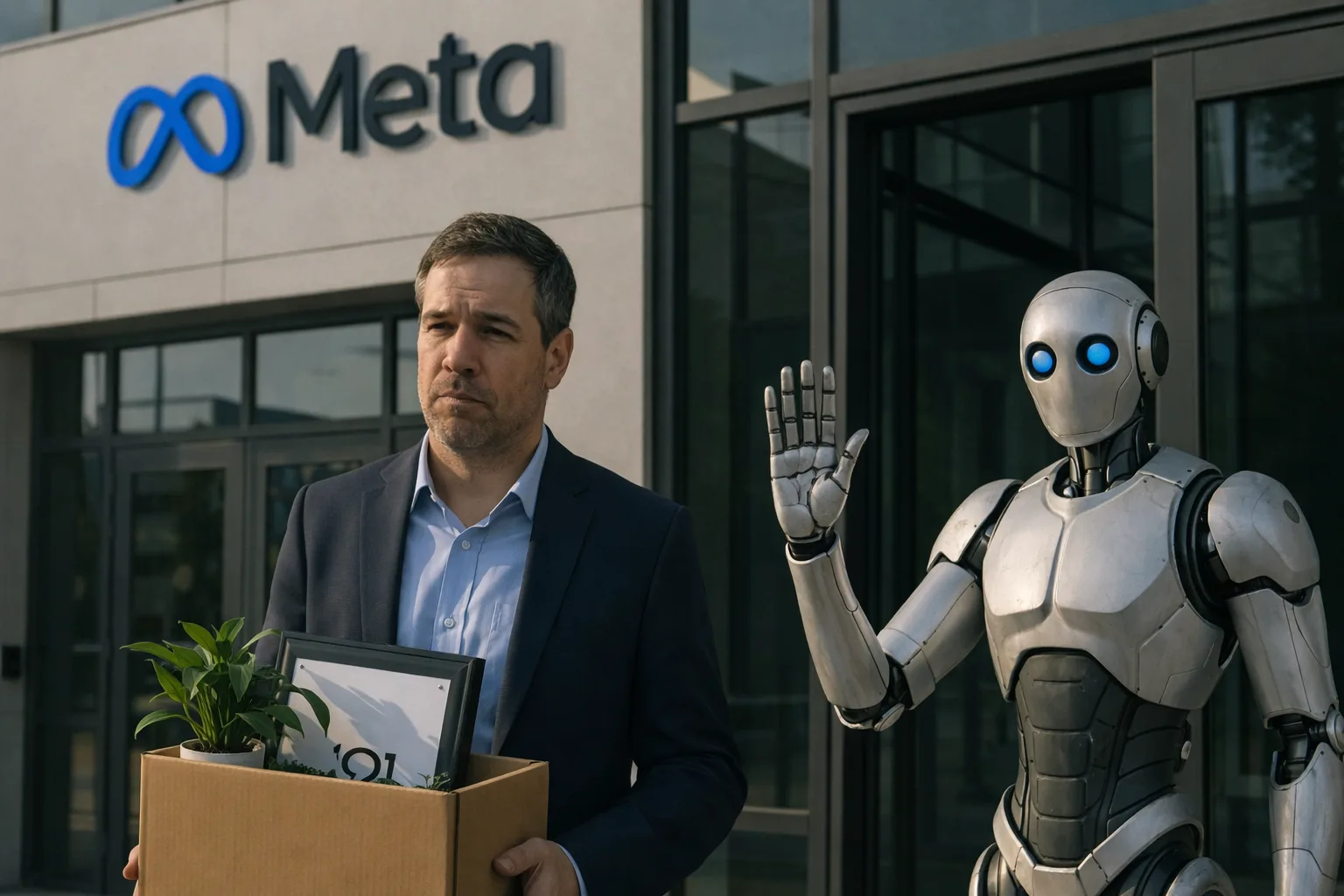
Companies like Microsoft, Google, Tesla, and JPMorgan are tightening their grip on employee activism—firing workers, censoring internal forums, and curbing political debate. For investors, this signals both opportunity and risk in how workplace culture, governance, and reputation intersect with long-term performance.
Just this week, Microsoft fired four employees for staging protests over its contracts with the Israeli military, echoing similar actions by Google, Tesla, and JPMorgan. Once willing to tolerate or even join in workplace activism, corporate leaders are now taking a hard line: dissent is being met not with dialogue but with firings, security calls, and tightened policies.
This trend is not isolated. It’s part of a broader shift in how companies manage political and social debate in the workplace—one that investors can’t afford to ignore.
From Encouragement to Enforcement
The cultural pendulum has swung sharply in under a decade.
- Then: In 2017, CEOs across Silicon Valley protested alongside employees against the Trump administration’s travel ban. Google’s CFO Ruth Porat joined staff in walkouts against sexual harassment. Employee voice was treated as part of company identity.
- Now: Protests are being shut down quickly, sometimes with police intervention. Internal forums are censored. At JPMorgan, even nonpolitical grumbling about return-to-office mandates has been curtailed.
Why the reversal? Two forces are driving it:
- Politics: Executives know they risk blowback from Washington and consumers if they appear to “cater” to activist employees.
- Economics: A tougher job market has reduced worker leverage, giving employers freedom to impose discipline.
The result: fewer concessions, more firings, and a stronger message that “work is work, outside life is outside life.”
Why Investors Should Care
1. Operational Stability vs. Cultural Risk
For companies, cracking down can reduce workplace disruptions and protect contracts. But suppressing employee voices risks lower morale, higher attrition, and missed signals about underlying issues. Silent workforces are not always healthy workforces.
Investor takeaway: Track sentiment metrics—employee reviews, attrition rates, union interest. A quiet workforce may reflect disengagement, not harmony.
2. Governance and Legal Exposure
Calling police on employees or censoring speech can invite lawsuits, regulatory scrutiny, and reputational hits. Companies must walk a fine line between order and overreach.
Investor takeaway: Monitor for labor filings or shareholder resolutions tied to culture and speech rights. These can foreshadow governance battles.
3. ESG Contradictions
Crackdowns often clash with ESG commitments. A company may tout inclusivity and employee empowerment in reports, yet silence political discourse internally. That contradiction can hurt ESG ratings and investor trust.
Investor takeaway: Look for consistency between a company’s ESG messaging and its actual labor practices. Misalignment is a red flag.
4. The Rise of Shareholder Activists
As employees lose ground, shareholder activists are stepping up. Campaigns targeting governance and culture are becoming more common, from Starbucks to Southwest Airlines. Investors themselves may become the new counterbalance to corporate hard lines.
Investor takeaway: Proxy season filings tied to culture should be treated as signals of brewing risk—or opportunity.
The Political Overlay
There’s no denying politics shapes the new corporate posture. President Trump’s administration has weighed in directly on corporate controversies—from labor disputes to branding debates. That creates additional pressure for executives to avoid being seen as accommodating employee activism, particularly on hot-button topics like Gaza or DEI initiatives.
This alignment between Washington and the C-suite means companies are prioritizing discipline over dialogue—and investors must account for political tailwinds in corporate governance strategies.
What Comes Next
Employee activism may be quieter, but it isn’t gone—it’s evolving.
- Instead of open protests, workers may seek legal recourse or partner with shareholder activists.
- Silent disengagement could hit innovation pipelines in sectors like tech.
- Investor-backed activism may replace employee-led sit-ins, creating new fault lines in governance.
In short, suppression doesn’t erase pressure. It just changes its form.
Action Plan for Investors
- Watch sentiment metrics: Employee review sites, turnover rates, and union chatter are leading indicators of cultural cracks.
- Scrutinize governance signals: NLRB cases, shareholder resolutions, and proxy filings tied to culture or labor deserve close attention.
- Track ESG alignment: A gap between messaging and reality can erode brand trust and ESG scores.
- Factor politics into risk models: Trump-era pressure on corporations to curb activism is not going away—anticipate how it will influence company decisions.
Work is for Work
Companies are clamping down on workplace activism like never before, prioritizing operational order and political optics over open dialogue. That may yield short-term stability, but it carries long-term risks for culture, innovation, and governance.
For investors, the key is to recognize that silence isn’t always strength. Firms that balance discipline with transparency and consistency will prove more resilient. Those that don’t may find that what looks like calm today hides tomorrow’s storm.
About Author