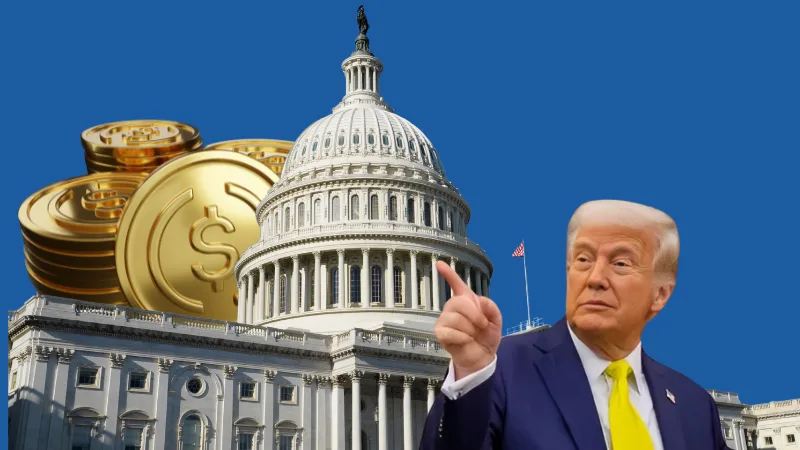
The U.S. Senate has taken a significant step toward regulating the cryptocurrency market by advancing the GENIUS Act (Guiding and Establishing National Innovation for U.S. Stablecoins) with a 66–32 cloture vote. This bipartisan move aims to establish a federal framework for stablecoins—digital assets pegged to traditional currencies like the U.S. dollar.
Key Provisions of the GENIUS Act
The GENIUS Act introduces several measures to ensure the stability and integrity of stablecoins: Senate Banking Committee
- Reserve Requirements: Issuers must maintain 100% backing with U.S. dollars or short-term Treasuries.
- Transparency: Monthly public disclosures of reserve compositions and annual audits for issuers with over $50 billion in market capitalization.
- Marketing Restrictions: Prohibits misleading claims such as “FDIC-insured” or “U.S. Government-backed.”
- Consumer Protections: Prioritizes stablecoin holders in bankruptcy proceedings.
- Big Tech Limitations: Restricts companies like Meta and Google from issuing stablecoins unless they meet stringent regulatory standards.
- Foreign Issuer Compliance: Mandates that foreign stablecoin issuers adhere to U.S. regulations.
- Yield-Bearing Stablecoins Ban: Prohibits the issuance of yield-bearing stablecoins to prevent unregulated financial products.
Political Dynamics and Controversies
The bill’s progression has been marred by political contention, primarily due to President Donald Trump’s involvement in the cryptocurrency sector. Senator Elizabeth Warren has been a vocal critic, expressing concerns that the legislation could financially benefit Trump and lead to potential conflicts of interest. She highlighted Trump’s family’s ventures, including the USD1 stablecoin and a recently launched meme coin, as areas of concern. Business Insider
Despite initial bipartisan support, these controversies led to a temporary withdrawal of Democratic backing. However, after negotiations that introduced stricter consumer protections and limitations on Big Tech’s involvement, 16 Democrats shifted their stance, allowing the bill to advance.
Market Reaction and Next Steps
The Senate’s advancement of the GENIUS Act has been met with positive reactions from the cryptocurrency market. Bitcoin, for instance, rose by 2.2% to $105,380 following the vote. The bill now moves to the Senate floor for final debate and potential amendments. If passed, it will proceed to the House of Representatives. Lawmakers aim to have the legislation enacted before the August recess.
Implications for Investors
The GENIUS Act’s progression signifies a potential shift in the cryptocurrency landscape, offering a more regulated and stable environment for investors. By establishing clear guidelines and protections, the bill could enhance investor confidence and pave the way for broader adoption of stablecoins in mainstream financial transactions.
About Author