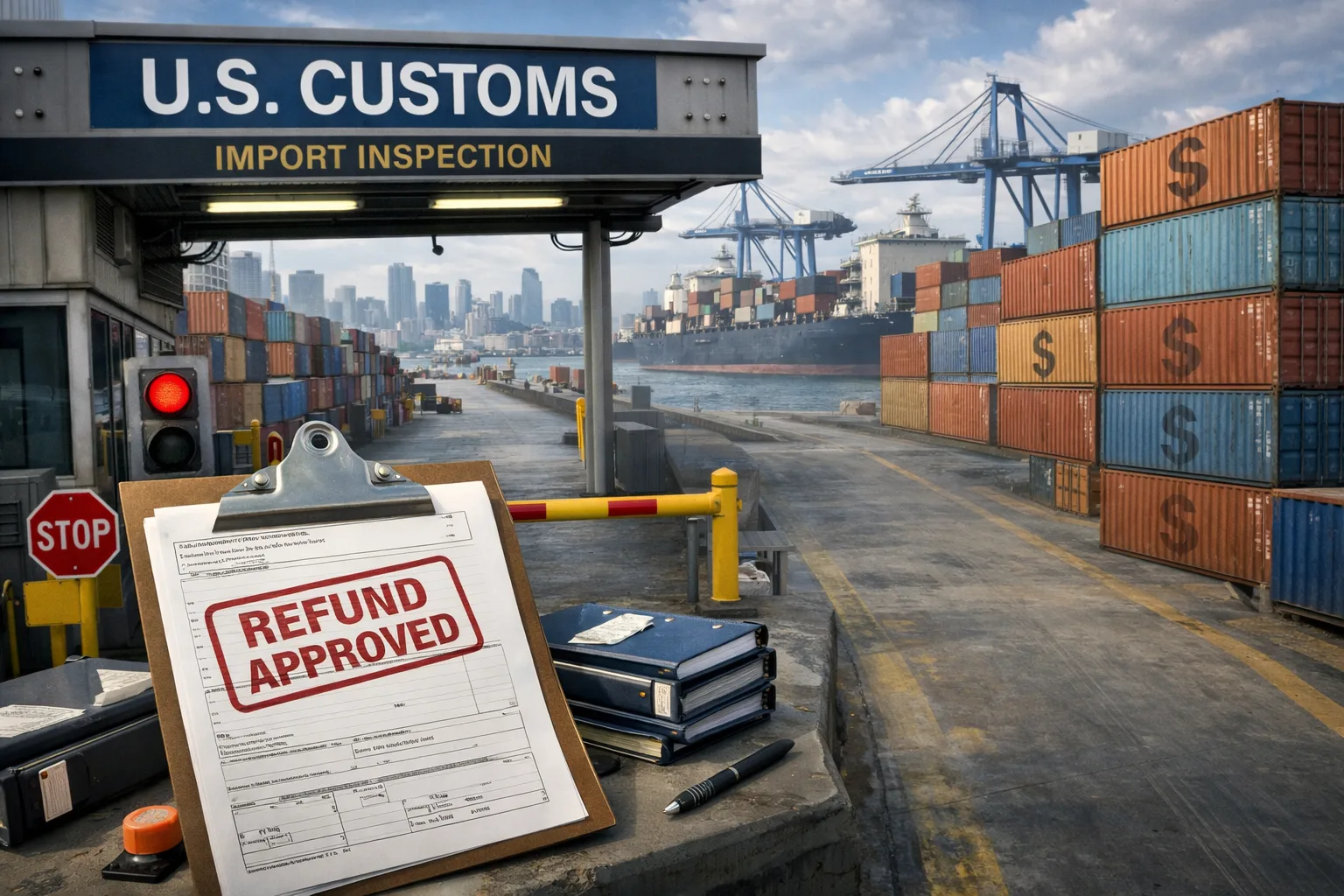
The Trump administration has begun the process of refunding an estimated $166 billion in tariffs to U.S. businesses. The refunds follow a landmark ruling by the U.S. Supreme Court that effectively dismantled one of the administration’s most aggressive trade tools.
For importers, this is not just a legal development. It is a potential windfall.
A Historic Reversal of Trade Policy
At the center of the decision is the International Emergency Economic Powers Act, commonly referred to as IEEPA. The Trump administration had relied on this law to impose sweeping tariffs on imports under the justification of national emergency powers.
The Supreme Court disagreed.
In its February ruling, the Court determined that the law does not grant the president authority to impose tariffs. Instead, that power belongs to Congress. This distinction is critical. It effectively invalidated a major portion of the tariff regime and opened the door to refunds.
Following the ruling, the U.S. Court of International Trade ordered the government to unwind the policy and return funds collected under it.
How the Refund Process Works
The U.S. Customs and Border Protection has now launched the first phase of its refund system, allowing businesses to begin filing claims.
Here is how the process unfolds:
- Businesses submit claims through the Automated Commercial Environment portal
- A new tool called CAPE enables importers to identify affected shipments
- CBP recalculates duties excluding the invalid tariffs
- Approved claims trigger repayments directly to the importer
According to CBP, most refunds should be processed within 60 to 90 days after approval, although complex cases could take longer.
The initial rollout is limited. Only certain entries qualify in this first phase, including those that are still unliquidated or within a defined post-accounting window.
The Scale Is Massive and Unprecedented
The numbers involved are staggering:
- Over 330,000 importers affected
- More than 53 million shipments impacted
- Approximately $166 billion in total duties collected
CBP itself described the scope as “unprecedented,” warning that its systems were not originally designed to handle this level of volume. Manual processing may be required for a significant portion of claims.
This creates both opportunity and risk. Companies that move quickly and accurately could recover substantial capital. Others may face delays or administrative hurdles.
What This Means for Businesses
For many companies, especially those heavily reliant on imports, this is effectively a retroactive margin boost.
Industries likely to benefit the most include:
- Retail and consumer goods
- Manufacturing and industrials
- Automotive supply chains
- Technology hardware and electronics
These sectors were among the most exposed to tariff costs over the past several years. A refund could improve cash flow, reduce cost basis, and potentially boost earnings.
However, not all companies will benefit equally. Firms must:
- Identify eligible shipments
- Accurately file claims
- Navigate a complex administrative process
Mistakes or delays could mean leaving money on the table.
Investor Implications: A Hidden Catalyst
This development has largely flown under the radar, but it could have meaningful implications for investors.
Here is why it matters:
1. Earnings Surprises Could Follow
Companies receiving large refunds may report unexpected gains in upcoming quarters. This could lead to positive earnings surprises, especially in sectors hit hardest by tariffs.
2. Balance Sheet Strength Improves
Refunds increase liquidity. For firms with tight margins or high debt, this could significantly improve financial stability.
3. Trade Policy Risk Is Repriced
The ruling limits executive power on tariffs, which may reduce uncertainty for global businesses. Markets tend to favor predictability.
4. Supply Chain Strategies May Shift
Companies may reconsider sourcing strategies if tariff risks decline or become more predictable under congressional control.
A Broader Shift in Power and Policy
Beyond the financial impact, the ruling reinforces a key constitutional principle. Trade policy authority ultimately resides with Congress, not the executive branch.
This could reshape how future administrations approach tariffs, sanctions, and economic pressure tools.
For investors, this signals a longer-term trend. Policy-driven market volatility tied to unilateral executive action may become less frequent, though not eliminated.
Challenges Ahead
Despite the upside, the process will not be seamless.
CBP has already warned of:
- System limitations
- Potential backlogs
- Manual claim reviews
- Extended processing timelines for complex filings
Businesses will likely need legal and customs expertise to maximize their claims. This introduces additional costs and complexity.
Bottom Line for Investors
This is one of the largest government repayments to businesses in U.S. history, and it is happening quietly.
If you are an investor, here is the takeaway:
- Watch companies with high import exposure
- Look for earnings revisions tied to tariff refunds
- Monitor sectors like retail, manufacturing, and tech hardware
- Expect uneven outcomes based on how effectively firms navigate the claims process
In short, this is not just a legal story. It is a capital redistribution event that could move stocks.
About Author