President Donald Trump is defending his newly announced interim peace deal with Iran against a growing chorus of critics who argue the agreement gives Tehran far more than Washington receives in return.
The 14-point memorandum of understanding, signed this week after nearly four months of conflict, has already become one of the most controversial foreign policy agreements of Trump’s second term. Supporters see it as a pathway to peace, lower oil prices, and economic stability. Critics see it as a deal that may have strengthened Iran’s position while forcing the United States to make significant concessions.
Trump Defends the Agreement
Speaking from the G7 summit in France, Trump dismissed criticism of the agreement in characteristic fashion.
Those questioning the deal, he argued, were ignoring the market’s reaction and the broader goal of ending a costly conflict.
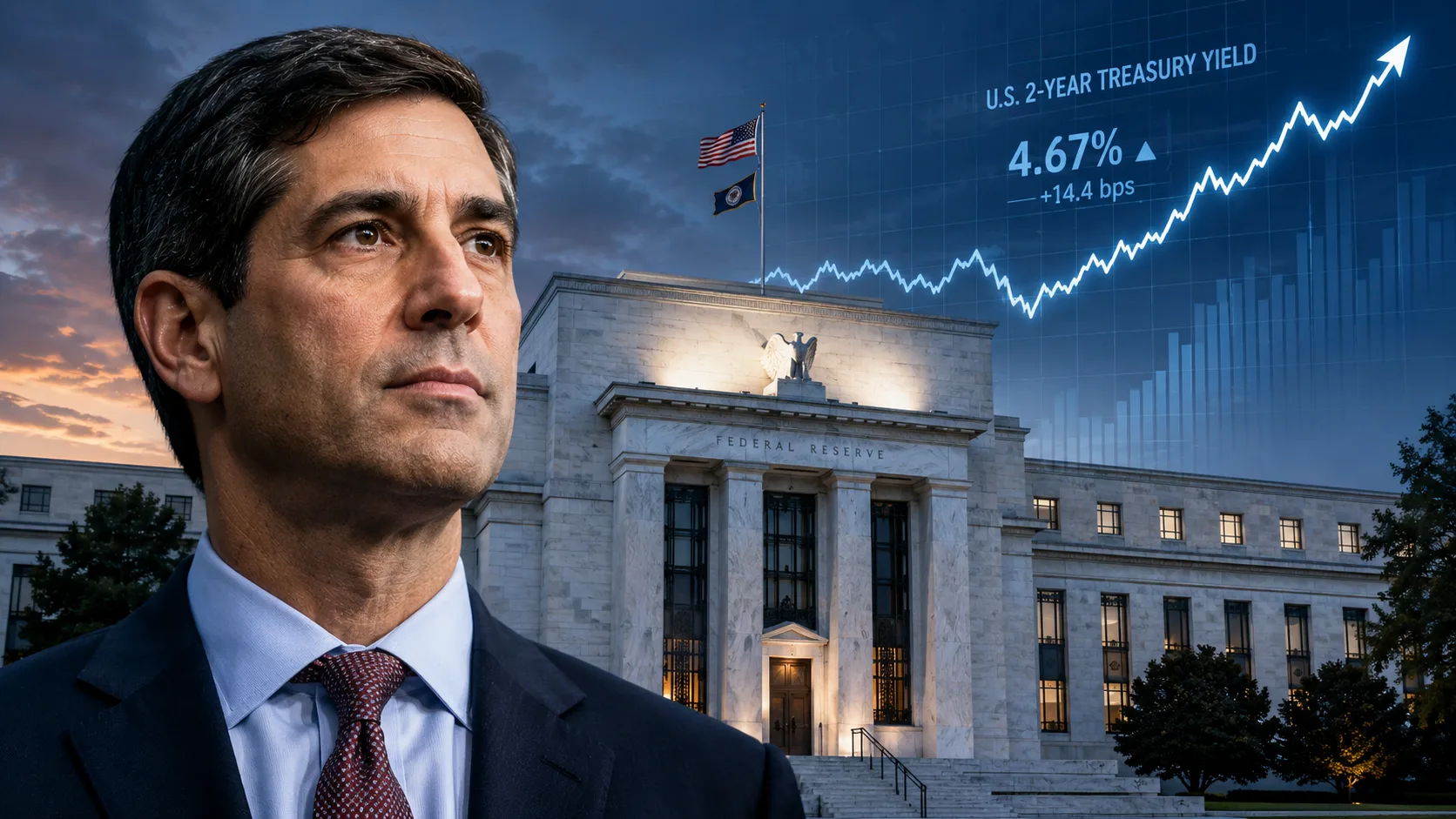
Trump pointed to record highs in the stock market and falling oil prices as evidence that investors believe the agreement is good for both the U.S. economy and global stability.
At the center of his argument is a simple question: if markets are rallying and oil prices are falling, why are critics calling the agreement a mistake?
For investors, that question matters because the answer could determine whether the current market optimism proves justified.
What’s Actually in the Deal?
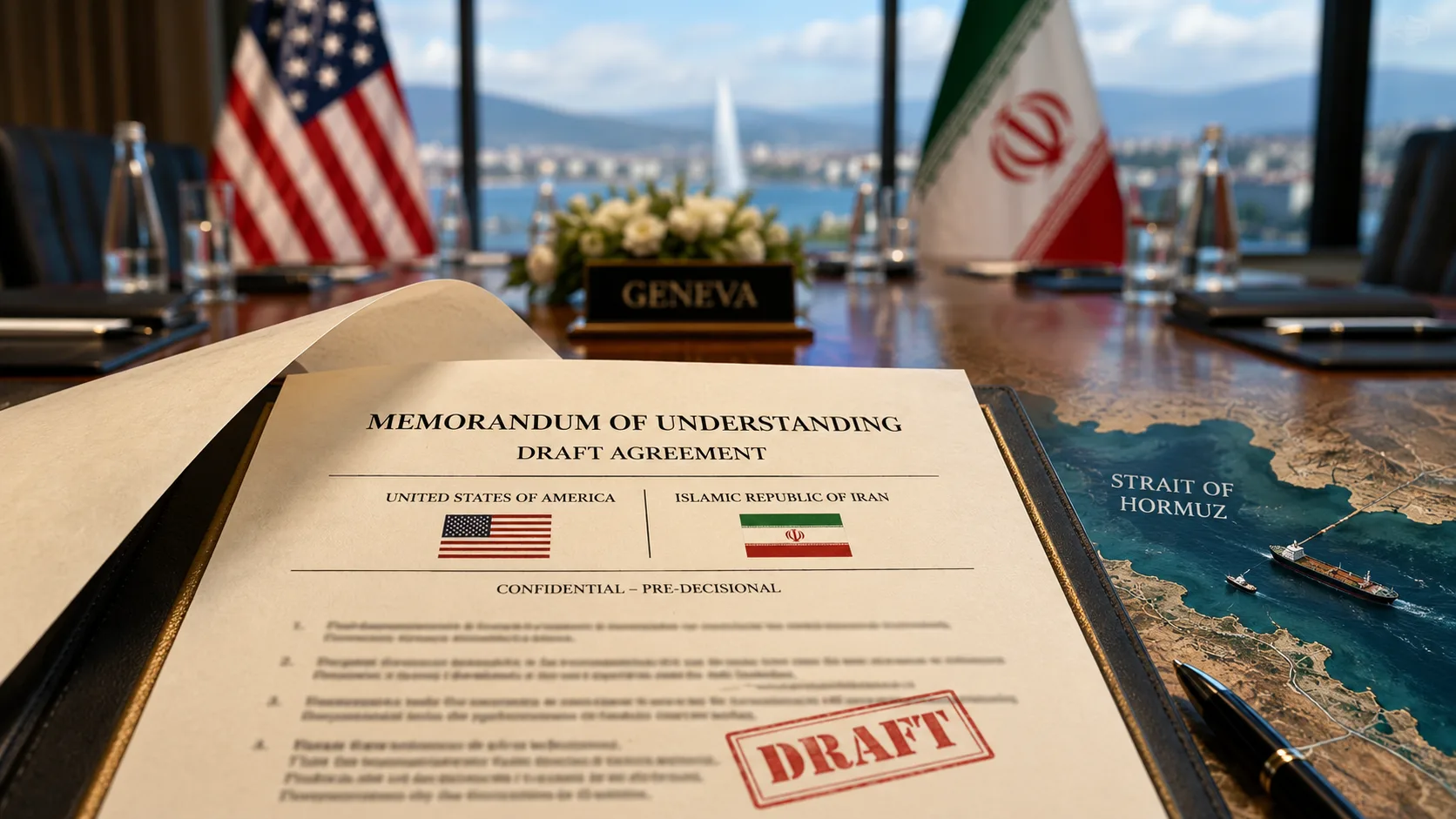
The memorandum serves as an interim framework rather than a final peace treaty.
Under the agreement:
- The U.S. and Iran will continue negotiations for 60 days.
- The Strait of Hormuz will reopen to commercial shipping.
- U.S. sanctions on Iran will be removed.
- Iran will gain access to billions in previously frozen assets.
- A proposed $300 billion reconstruction initiative would help rebuild parts of Iran’s economy.
- Both sides commit to extending the ceasefire across the region, including Lebanon.
The framework is designed to stop active hostilities while negotiators attempt to craft a more permanent arrangement.
Yet many of the most difficult issues remain unresolved.
Questions surrounding Iran’s nuclear ambitions, missile programs, regional influence, and long-term security guarantees have largely been postponed to future negotiations.
That uncertainty is fueling skepticism among foreign policy analysts and market observers alike.
Why Critics Say Iran Came Out Ahead
Some analysts argue the agreement appears heavily tilted toward Tehran.
One of the most controversial aspects of the framework is that Iran retains the right to enrich uranium while also gaining access to frozen financial assets and the prospect of sanctions relief.
Until recently, these issues represented some of Washington’s firmest negotiating red lines.
Energy strategist Amrita Sen said the language currently available suggests the agreement appears “quite favorable” toward Iran, while noting that many implementation details remain unresolved.
Critics argue that after months of military conflict, Iran appears to have secured economic relief without making equally visible concessions on its nuclear program or missile capabilities.
That perception has fueled comparisons to the Obama-era nuclear agreement that Trump famously withdrew from during his first term.
The Obama Comparison Is Back
The deal has revived a debate many thought had ended years ago.
In 2018, Trump withdrew the United States from the 2015 Iran nuclear agreement, formally known as the Joint Comprehensive Plan of Action (JCPOA), calling it one of the worst deals ever negotiated.
Now some observers see similarities between Trump’s new framework and the agreement he once criticized.
Former President Barack Obama recently expressed skepticism that any new arrangement would differ significantly from the original framework negotiated during his administration.
The comparison creates a political challenge for Trump.
Supporters argue today’s circumstances are entirely different because the agreement follows a major military conflict. Critics counter that the resulting concessions may look surprisingly familiar.
The Strait of Hormuz May Be the Biggest Economic Story
For global markets, the most important provision may not involve diplomacy at all.
It involves shipping.
The Strait of Hormuz remains one of the world’s most critical energy chokepoints, handling roughly one-fifth of global oil flows.
The conflict effectively disrupted shipping through the region for months, helping push energy prices higher and creating uncertainty across financial markets.
The agreement would reopen the waterway and restore commercial traffic.
That prospect has already contributed to lower oil prices and renewed investor optimism.
However, analysts caution that the reopening is not yet permanent.
Iran has only committed to toll-free commercial passage for 60 days while future governance arrangements are negotiated with Oman and other Gulf nations.
For energy markets, the difference between a temporary reopening and a permanent one could be enormous.
Three Major Geopolitical Consequences
Economists and geopolitical analysts are already drawing broader conclusions from the conflict and its aftermath.
1. Questions About American Influence
Some observers argue the war failed to achieve several publicly stated U.S. objectives, including regime change in Tehran.
If that assessment proves accurate, America’s geopolitical leverage may have been weakened rather than strengthened.
2. The Rise of Asymmetric Warfare
The conflict reinforced a lesson already visible in Ukraine.
Smaller powers armed with drones and modern technology can challenge much larger military forces at a fraction of the cost.
That reality could reshape military planning and defense spending priorities worldwide.
3. Russia Could Feel the Impact
One overlooked consequence may involve Moscow.
Higher oil prices helped boost Russian revenues during periods of global instability.
If the Strait of Hormuz remains open and oil prices continue falling, Russia’s energy-driven financial position could become more difficult.
For investors watching global energy markets, that secondary effect may prove significant over the coming months.
Trump Issues a Warning to Tehran
While promoting the deal, Trump also made clear that military pressure remains on the table.
The president warned that if Iran violates the agreement, the United States would respond forcefully.
The message was intended to reassure critics who fear the framework lacks meaningful enforcement mechanisms.
Whether that deterrent is sufficient remains one of the biggest unanswered questions surrounding the agreement.
What Happens Next?
The next 60 days will likely determine whether the framework evolves into a lasting peace agreement or becomes another failed diplomatic effort.
Negotiators still must address:
- Iran’s nuclear program
- Ballistic missile development
- Regional proxy groups
- Long-term sanctions policy
- Security guarantees
- Future governance of the Strait of Hormuz
None of those issues will be easy.
The agreement also faces opposition from multiple directions, including Israeli officials, U.S. foreign policy hawks, and hardline factions inside Iran.
As a result, the current framework may be only the beginning of a much larger diplomatic battle.
Why Investors Should Pay Attention
Markets initially celebrated the announcement.
Stocks reached fresh highs while oil prices moved lower as traders priced in reduced geopolitical risk.
But investors should remember that markets are reacting to expectations, not final outcomes.
If negotiations succeed, lower energy costs and improved global trade flows could provide additional support for equities and economic growth.
If talks collapse, however, the market could quickly reverse course.
The biggest question is the one still driving debate in Washington, Tehran, and global financial circles: did Trump secure peace from a position of strength, or did Iran emerge from the conflict with more leverage than before?
The answer may not become clear until the next phase of negotiations begins.
About Author