The United States reportedly came within hours of striking Houthi forces in Yemen before President Donald Trump called off the attack. Now the Iran-backed group is pushing deeper into strategic territory overlooking one of the world’s most important shipping routes.
The development adds another layer of uncertainty to a Middle East conflict already disrupting global energy flows and contributing to record U.S. diesel prices.
U.S. Strikes Were Reportedly Ready to Go
The Trump administration prepared to launch airstrikes against Houthi positions in Yemen on Sunday following renewed requests for American military support from Saudi Arabia, according to reporting by The New York Times.
Trump ultimately called off the strikes at the last minute, according to the report, even as bombs were reportedly being loaded onto U.S. aircraft.
Reuters said it could not independently verify that account. U.S. Central Command referred questions to the White House, which had not publicly confirmed the report as of Monday.
What is confirmed is that Trump spoke Sunday with Rashad al-Alimi, president of Yemen’s internationally recognized, Saudi-backed government. Four sources told Reuters that Alimi requested U.S. military assistance against the Houthis. Two said Trump made no direct commitment to provide it.
The decision comes as Washington faces pressure from Saudi Arabia to become more directly involved in a rapidly changing battle for control of Yemen.
The Houthis Are Trying to Lock Down Their Red Sea Gains
The Houthis have made a rapid advance along Yemen’s Red Sea coast this month and are now attempting to capture strategic high ground in the Kahboub Mountains in the provinces of Taiz and Lahij.
Those mountains matter because they overlook territory connecting the Red Sea coast with areas still controlled by Saudi-backed forces in southern Yemen.
Control of the heights could make it easier for the Houthis to protect their recent territorial gains around the Bab el-Mandeb Strait and potentially open additional fronts against government forces.
Saudi Arabia has responded with heavy airstrikes against Houthi positions, while fighting has intensified around Al-Wazi’iyah and Ras al-Ara.
The humanitarian toll is also climbing. Reuters reported that United Nations figures put the death toll from the latest fighting at nearly 700, with thousands injured and well over 100,000 Yemenis displaced.
Why This Battle Matters Far Beyond Yemen
For investors, the biggest issue is geography.
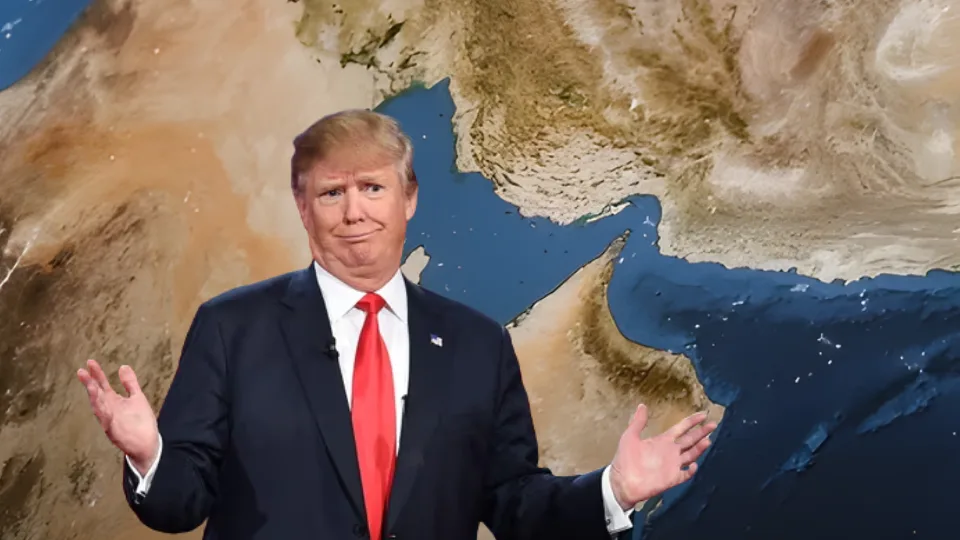
The Bab el-Mandeb Strait connects the Red Sea with the Gulf of Aden and the Indian Ocean. Houthi gains around the waterway create another potential pressure point for global shipping at the same time the Strait of Hormuz remains dangerous.
Saudi Arabia has already been forced to rethink how it moves crude.
After disruption to its East-West pipeline and reduced shipments from the Red Sea port of Yanbu, Saudi Arabia has dramatically increased exports through Hormuz.
Saudi shipments through the strait recently reached about 2.9 million barrels per day, up from roughly 700,000 barrels per day in August, according to satellite data cited by Reuters. Saudi Arabia has also sold roughly 60 million barrels for September and October loading from Ras Tanura, with cargoes moving through Hormuz before being transferred near Oman.
That rerouting has helped keep crude flowing and taken some pressure off oil prices.
But it creates an uncomfortable situation for Saudi Arabia: the kingdom is increasingly dependent on one vulnerable shipping route because another has become more dangerous.
That is the part investors should watch.
Oil Has Fallen, but the Energy Problem Hasn’t Gone Away
Crude prices have retreated after approaching $110 a barrel last week as Saudi exports proved more resilient than feared.
Brent was trading near $100 Monday, while WTI also fell as traders reduced some of the geopolitical risk premium that had built into prices.
Yet refined fuel markets are telling a different story.
The average U.S. retail price of diesel reached a record $6.51 per gallon Monday, according to AAA data cited by Barron’s. Diesel prices matter well beyond the gas station because the fuel powers trucking, agriculture, construction and large parts of the global supply chain.
That means another serious disruption in either Hormuz or Bab el-Mandeb could quickly move from an overseas military story into higher transportation and consumer costs in the United States.
The Bigger Risk Is Two Chokepoints at Once
The immediate market reaction may actually understate the longer-term risk.
Saudi Arabia has shown that it can reroute enough crude to prevent an immediate supply shock. That flexibility is one reason oil has pulled back.
The problem is that the workaround increasingly relies on Hormuz.
If Houthi forces consolidate their position around Bab el-Mandeb while security deteriorates again in Hormuz, Saudi Arabia and global energy markets would have fewer good alternatives.
That is the scenario investors should be watching.
Trump’s reported decision to hold off on strikes may reduce the immediate risk of another U.S. military escalation in Yemen. It does little to resolve the underlying problem: the Houthis continue to gain strategically important territory near a major global shipping artery.
Watch These Three Things Next
The Kahboub Mountains: Control of the high ground could determine whether the Houthis can secure their recent coastal gains or whether Saudi-backed forces can mount a meaningful counteroffensive.
Saudi oil exports: As long as Riyadh can keep rerouting barrels through Hormuz, oil prices could remain contained. Any significant decline in those flows would change the market calculation quickly.
Washington’s next move: The reported cancellation of Sunday’s strikes does not guarantee the United States will remain outside the conflict. Further Houthi advances, attacks on Saudi territory or threats to international shipping could bring the question of U.S. intervention back quickly.
The Bottom Line
The biggest development in Yemen may be larger than whether Trump ordered strikes and then called them off.
The Houthis are attempting to turn a rapid coastal advance into lasting control over territory surrounding one of the world’s most important shipping corridors.
So far, Saudi Arabia has managed to keep enough oil moving through Hormuz to prevent crude prices from exploding higher.
But the margin for error is shrinking.
If the conflict begins threatening both of the Middle East’s critical maritime chokepoints at the same time, the oil market could look very different very quickly.
About Author