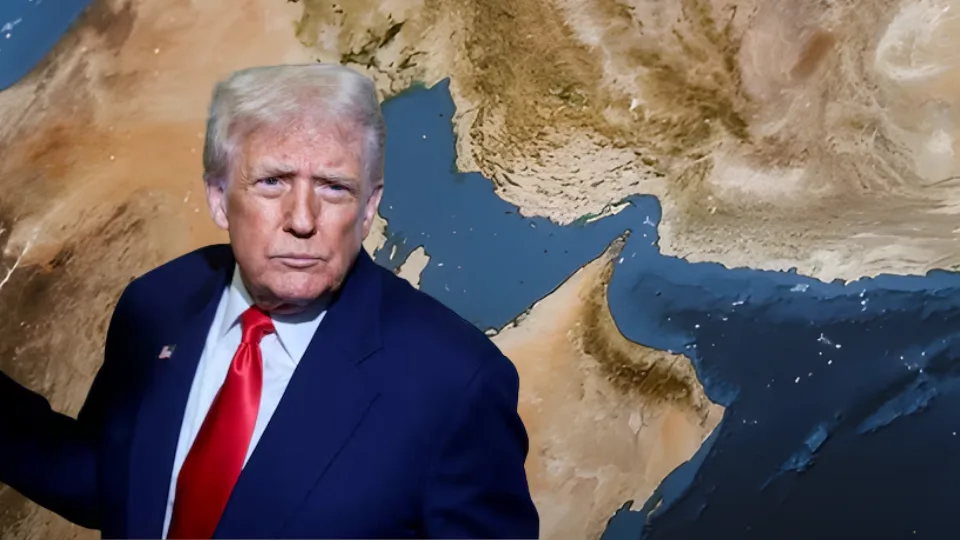
President Donald Trump is projecting confidence that the United States is on the verge of securing a major agreement with Iran, even as the current ceasefire between the two sides approaches a critical expiration point.
In an interview on CNBC’s Squawk Box, Trump made it clear that he believes the negotiating leverage is firmly in America’s favor. His remarks come at a time when markets are closely watching geopolitical developments in the Middle East for signals on oil prices, inflation, and global stability.
Trump: “We’re Going to End Up With a Great Deal”
Speaking candidly about the ongoing negotiations, Trump stated:
“I think we’re going to end up with a great deal.”
The president emphasized that recent U.S. military actions have significantly weakened Iran’s strategic position, suggesting that Tehran may have limited options moving forward.
“I think they have no choice,” Trump said when asked what outcome he expects from the next round of talks.
Trump went further, outlining what he described as a decisive shift in the balance of power:
“We’ve taken out their navy, we’ve taken out their air force, we’ve taken out their leaders.”
He added:
“We’ve taken out their leaders, frankly, which does complicate things in one way, but these leaders are much more rational.”
Ceasefire Uncertainty Raises Stakes
Despite his optimism about a deal, Trump made it clear he is not inclined to extend the current ceasefire, which is set to expire imminently.
“Well, I don’t want to do that,” Trump said when asked whether he would prolong the ceasefire to allow more time for negotiations.
That statement introduces a major wildcard for markets.
If the ceasefire lapses without a formal agreement in place, the risk of renewed hostilities rises sharply. That could have immediate ripple effects across global markets, particularly in energy, defense, and safe-haven assets like gold.
Regime Change Comments Add Another Layer
Perhaps the most striking moment in the interview came when Trump acknowledged that recent actions may have effectively reshaped Iran’s leadership structure.
“It is regime change, no matter what you want to call it, which is not something I said I was going to do, but I’ve done it indirectly.”
This comment is significant for two reasons.
First, it suggests a broader strategic objective than previously stated. Second, it raises questions about the long-term stability of Iran and whether any agreement reached now will hold under a potentially altered leadership dynamic.
Market Implications: Why Investors Should Care
Geopolitical tensions between the U.S. and Iran have historically had an outsized impact on financial markets. This situation is no different.
Here is how investors should be thinking about it right now:
1. Oil Prices Could Swing Violently
The Middle East remains a critical hub for global energy supply. Any escalation or resolution in the U.S.-Iran conflict can trigger sharp moves in oil prices.
- A confirmed peace deal could push oil lower as supply risks ease
- A breakdown in talks could send prices surging, especially if shipping routes like the Strait of Hormuz are threatened
Energy stocks, oil ETFs, and inflation-sensitive assets will likely react quickly to any new developments.
2. Defense Stocks May See Continued Momentum
Even the possibility of renewed conflict tends to benefit defense contractors.
Companies involved in military equipment, cybersecurity, and logistics often see increased investor interest during periods of geopolitical instability.
If the ceasefire collapses, expect this sector to remain in focus.
3. Gold and Safe Havens Back in Play
Gold typically acts as a hedge during times of uncertainty.
- Rising tensions often push gold prices higher
- A stable agreement could reduce demand for safe-haven assets
Investors who are already positioned in gold or considering exposure should watch headlines closely over the next 48 to 72 hours.
4. Broader Market Volatility
Markets do not like uncertainty, and right now there is plenty of it.
Even if a deal is ultimately reached, the path to getting there could involve sharp swings in sentiment. That means increased volatility across equities, particularly in sectors tied to global trade and energy costs.
About Author