With the ceasefire between Israel and Hamas beginning to take hold, the geopolitical spotlight is shifting back to Eastern Europe. President Donald Trump is signaling that the long-running war in Ukraine is now his immediate target.
Speaking Thursday, Trump said he and several “high-level advisors” plan to meet Russian President Vladimir Putin in Budapest, Hungary, to discuss a potential end to the war. The statement followed a recent call in which Trump said Putin congratulated him on the “great accomplishment of peace in the Middle East.”
“President Putin and I will then meet in an agreed upon location, Budapest, Hungary, to see if we can bring this ‘inglorious’ War, between Russia and Ukraine, to an end. … I believe great progress was made with today’s telephone conversation,” Trump posted on Truth Social.
It would mark the second in-person meeting between the two leaders during Trump’s current term. Trump said the summit could take place within the next two weeks.
Tomahawks on the Table
Ahead of that meeting, the administration is putting pressure on Moscow by raising the option of supplying Ukraine with long-range Tomahawk missiles. Ukraine has not previously been able to access capabilities like these.
Trump is scheduled to host Ukrainian President Volodymyr Zelenskyy at the White House on Friday, with missiles expected to be a key topic. Earlier this week, Trump told reporters he may use the threat of Tomahawk deliveries as leverage over Putin, saying he could tell the Russian leader, “Look: if this war is not going to get settled, I’m going to send them Tomahawks.”
U.S. Defense Secretary Pete Hegseth reinforced the message Wednesday, promising that “firepower” was coming for Ukraine, although he did not confirm the missiles by name.
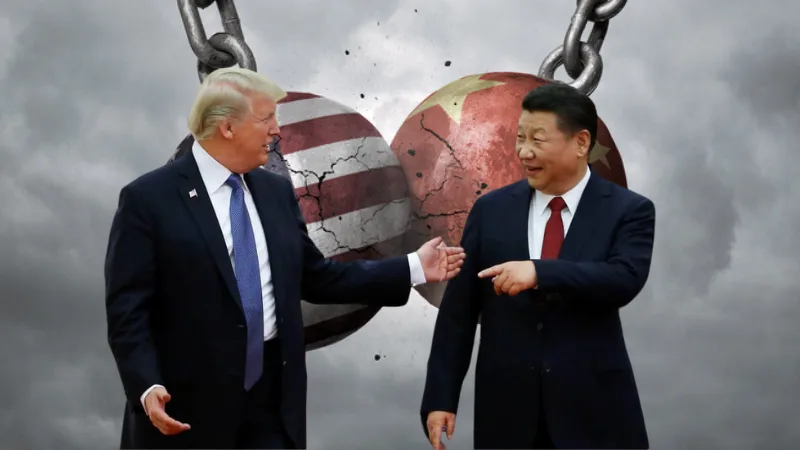
The Kremlin responded immediately. Officials warned that the introduction of Tomahawks, which are capable of striking targets within Russia from up to 1,000 miles away, would be a “serious escalation.”
Renewed Peace Push After Gaza Deal
Trump has made it clear that, with a Gaza ceasefire underway, he intends to revive diplomatic efforts on Ukraine as the conflict nears its fourth year.
While addressing Israel’s Knesset earlier this week, he said, “We have to get Russia done.” Turning to U.S. special envoy Steve Witkoff, he added, “Steve, let’s focus on Russia first, alright? We’ll get it [done].”
During his first term, Trump drew criticism for claiming he could end the war in “one day.” This week, he acknowledged the challenge was greater than expected. “I thought it would be easily settled. I thought it was a hell of a lot easier than doing what we just did [in Gaza].”
Analysts say the truce in the Middle East may create momentum elsewhere. Victoria Coates, vice president at the Heritage Foundation’s Davis Institute and a former deputy national security adviser, told CNBC the diplomatic gains around Gaza could carry over to Ukraine.
“The momentum behind resolving the Gaza conflict can help get to a resolution of the Ukraine war,” she said on “Squawk Box.” With world leaders engaged in conflict resolution, she said the U.S. may now be able to “put some pressure on Putin to come to the table.”
Will Russia Engage?
For now, Moscow is striking a conciliatory tone in public, although critics warn Russia has a pattern of using delay tactics to secure battlefield advantages.
“Certainly, we welcome such intentions, we welcome the confirmation of the political will to assist the search for peaceful solutions in every possible way,” Kremlin spokesperson Dmitry Peskov said Tuesday, according to Interfax.
He added that Russia “remains open to and ready for a peace dialogue” and voiced hope that “the influence of the United States and the diplomatic prowess of President Trump’s envoys will certainly help prompt the Ukrainian side toward a greater readiness for a peace process.”
Kyiv and its allies have consistently rejected Moscow’s framing, pointing out that Russia launched the invasion in February 2022 and continues to occupy Ukrainian land.
Pressure Campaign Expands
The next few weeks will test whether these talks are genuine or tactical. In recent months, Trump has shown growing impatience with the Kremlin, which marks a change in tone from their meeting in Alaska over the summer.
In addition to the Tomahawk threat, the administration has targeted some of Russia’s economic partners. India, a major buyer of discounted Russian oil, was hit with new U.S. tariffs. That move sends a message to Moscow and the countries it relies on financially.
Trump has also publicly mocked Russia’s strength, calling the country a “paper tiger,” and floated new sanctions. None have yet been implemented, which has frustrated Kyiv and some European allies.
Peter Dickinson, editor of the Atlantic Council’s UkraineAlert, said this could be a turning point if Trump follows through on Tomahawk commitments, even as a negotiating tactic.
“Trump must now decide whether he will call Putin’s bluff and arm Ukraine with Tomahawk missiles. There are mounting indications that he may be inclined to do so,” Dickinson said this week.
“Trump now has an opportunity to convince his Russian counterpart that he is not as easily intimidated as other Western leaders and is more than ready to increase the pressure on Moscow until Putin agrees to pursue peace,” he continued. Although critics may doubt such a hard line, Dickinson argued that “few objective observers would question that this approach is the only way to end the war.”
What Is at Stake
With U.S. and European military aid stretched, the potential introduction of Tomahawks would change the strategic picture significantly. The missiles could threaten Russia’s logistics hubs, energy facilities and command centers far beyond the front lines.
A credible threat from Washington could push the Kremlin to approach talks more seriously than at any point since 2022. But if negotiations stall and Trump follows through, the conflict could escalate in ways that test NATO members and global markets.
Budapest is shaping up to be the most consequential U.S.-Russia meeting since the invasion began.
About Author