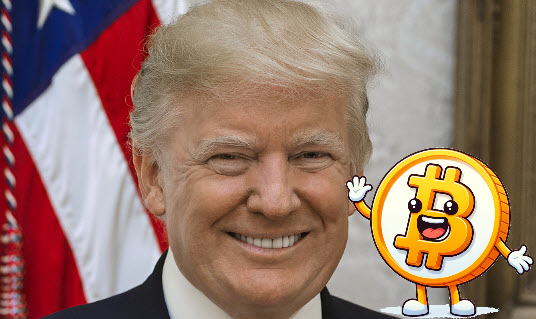
The Trump administration has unveiled a sweeping strategy to embed cryptocurrency across nearly every corner of the U.S. economy. A newly released 160-page report by the White House’s working group on cryptocurrency markets outlines an urgent call for agencies to act—on everything from taxation and banking to retirement and cybersecurity.
This marks a stark departure from the regulatory uncertainty that plagued the industry in past years. And for investors, it signals a critical inflection point. The government isn’t just tolerating crypto anymore—it’s actively pushing to make it a backbone of America’s financial future.
Why It Matters for Investors
Bitcoin has already surged over 74% since Election Day in November. The global crypto market has added $1.57 trillion in market cap since Trump retook office. This isn’t a coincidence—it’s a reflection of rapidly shifting U.S. policy toward pro-crypto regulation, coupled with rising institutional adoption.
With clear regulatory guardrails, mainstream financial institutions, wealth managers, and pension funds are now being incentivized to integrate digital assets into portfolios. The implications for capital flows, asset prices, and long-term investor exposure are enormous.
Inside the White House’s Crypto Manifesto
The comprehensive 160-page policy blueprint is the result of a six-month review launched by President Trump’s January executive order. It’s a full-throttle plan to create “the deepest and most liquid digital asset marketplace in the world.”
Key Recommendations Include:
- Securities and Commodities Regulation: Urges the SEC and CFTC to act swiftly using existing authorities to resolve the gray area around how digital assets are classified.
- Banking System Overhaul: Calls on banking regulators to provide clarity on tokenization, blockchain adoption, custody, and stablecoin issuance. It also pushes for changes to capital requirements that currently penalize crypto holdings.
- Taxation Reforms: Recommends updating IRS guidance to address blockchain innovation, including potential exemptions for small transactions (de minimis rules) and clearer capital gains treatment.
- Illicit Finance & Cybersecurity: Proposes a national digital security framework for crypto platforms and payment processors to combat fraud and money laundering.
U.S. Crypto Market Cap Growth Since Trump’s Re-Election
| Date | Total Crypto Market Cap | % Change |
|---|---|---|
| Nov 2024 | $1.85 Trillion | — |
| Jul 2025 | $3.42 Trillion | +84.6% |
Source: CoinMarketCap, Global Market News analysis
Trump’s Personal Stake and Family Ties to Crypto
Adding intrigue to the White House’s push is the Trump family’s deepening involvement in crypto investing. Donald Trump Jr. has reportedly backed multiple Web3 infrastructure projects, and Eric Trump has joined the board of a blockchain-based real estate platform. Critics say this creates potential conflicts of interest, but supporters argue it shows a president who understands—and is investing in—the future.
While the administration has denied any impropriety, the optics are clear: this is a presidency that views crypto not only as an economic opportunity but a geopolitical necessity.
Stablecoins Get Fast-Tracked
A major win for the industry came earlier this month when President Trump signed the Stablecoin Infrastructure and Innovation Act into law. This bipartisan bill lays the legal foundation for U.S. dollar-backed stablecoins and permits financial institutions to issue them under regulatory guidance.
However, for it to become fully effective, banking regulators must issue additional rules, especially around reserve backing, audit transparency, and FDIC-style protections. The White House report explicitly calls for “urgent action” to get these rules on the books before Q4 2025.
A New Framework for Retirement and Mortgages?
The report also signals a paradigm shift in long-term financial planning. It urges regulators to:
- Enable 401(k) and IRA crypto allocations under new Department of Labor guidelines.
- Facilitate crypto-backed mortgages by updating underwriting models to include tokenized income and collateral.
- Create tax parity between traditional securities and digital assets in retirement accounts.
This could open the floodgates for crypto to become a core holding in America’s $38 trillion retirement market, providing a massive source of demand and long-term price support.
Banking Clarity Is Coming—Fast
A critical bottleneck has long been how crypto is treated by banks. The report calls for:
- Fast-tracked approval pathways for crypto-native banks.
- Clear standards for Fed master account access.
- Adjusted capital requirements to avoid punitive treatment of digital asset services.
These changes would lower the operational and capital costs of offering crypto services, allowing traditional banks to compete with Coinbase, Kraken, and Binance.US for consumer wallet share.
Tax Policy Could Finally Catch Up
One of the most investor-relevant sections of the report centers on taxes. The White House is urging the IRS and Treasury to:
- Eliminate burdensome recordkeeping requirements for minor transactions (e.g., using crypto to buy coffee).
- Recognize staking rewards and airdrops under new accounting rules.
- Allow for like-kind exchanges between digital assets, echoing the treatment of real estate under IRS Section 1031.
Congress is also being urged to pass legislation that treats digital assets as their own tax class, separate from securities and commodities but still subject to similar rules—with key modifications.
What’s Missing? The U.S. Crypto Reserve
Conspicuously absent from the report is any update on the U.S. crypto reserve and strategic stockpile that President Trump announced via executive order in January.
While administration officials confirmed details will come “soon,” it has raised questions about whether the U.S. government is already buying digital assets like Bitcoin or Ethereum for long-term strategic purposes. If confirmed, it would be the clearest signal yet that digital assets are being treated as modern-day reserves on par with gold.
Why This Is Bullish for Bitcoin and Beyond
Let’s be blunt: this is rocket fuel for the crypto market.
When you combine clear legal frameworks, mainstream banking access, favorable tax treatment, and political backing at the highest levels of government—you have the recipe for an unprecedented institutional adoption wave.
Already, Wall Street giants like BlackRock, Fidelity, and Goldman Sachs are launching crypto funds, ETFs, and custody solutions in response to regulatory momentum. As capital floods in, the upside potential for Bitcoin, Ethereum, and even niche altcoins is substantial.
Investment Implications: What to Watch
For investors, here’s what to keep an eye on:
- Crypto Tax Legislation in Congress: This will determine whether everyday users can interact with crypto without absurd compliance burdens.
- Stablecoin Implementation Rules: Clarity here will dictate how fast the payments sector integrates digital dollars.
- SEC/CFTC Jurisdiction Battle: The resolution of this turf war will affect which tokens are deemed securities vs. commodities.
- Federal Crypto Reserve Disclosure: If the U.S. government begins accumulating Bitcoin, expect another major leg up in prices.
- Retirement Account Expansion: Pay attention to new rules from the Department of Labor and SEC allowing crypto in 401(k)s.
From Fringe to Foundation
The Trump administration’s plan is not just pro-crypto—it’s pro-growth, pro-innovation, and pro-America. Whether driven by political motives or economic foresight, the net effect is the same: digital assets are moving from fringe curiosity to financial foundation.
And for investors paying attention, this moment might just be the start of crypto’s most powerful bull run yet.
Sources:
- CoinMarketCap
- Axios: The White House is pushing to embed crypto everywhere
- U.S. Department of the Treasury
- Securities and Exchange Commission
- Commodity Futures Trading Commission
About Author