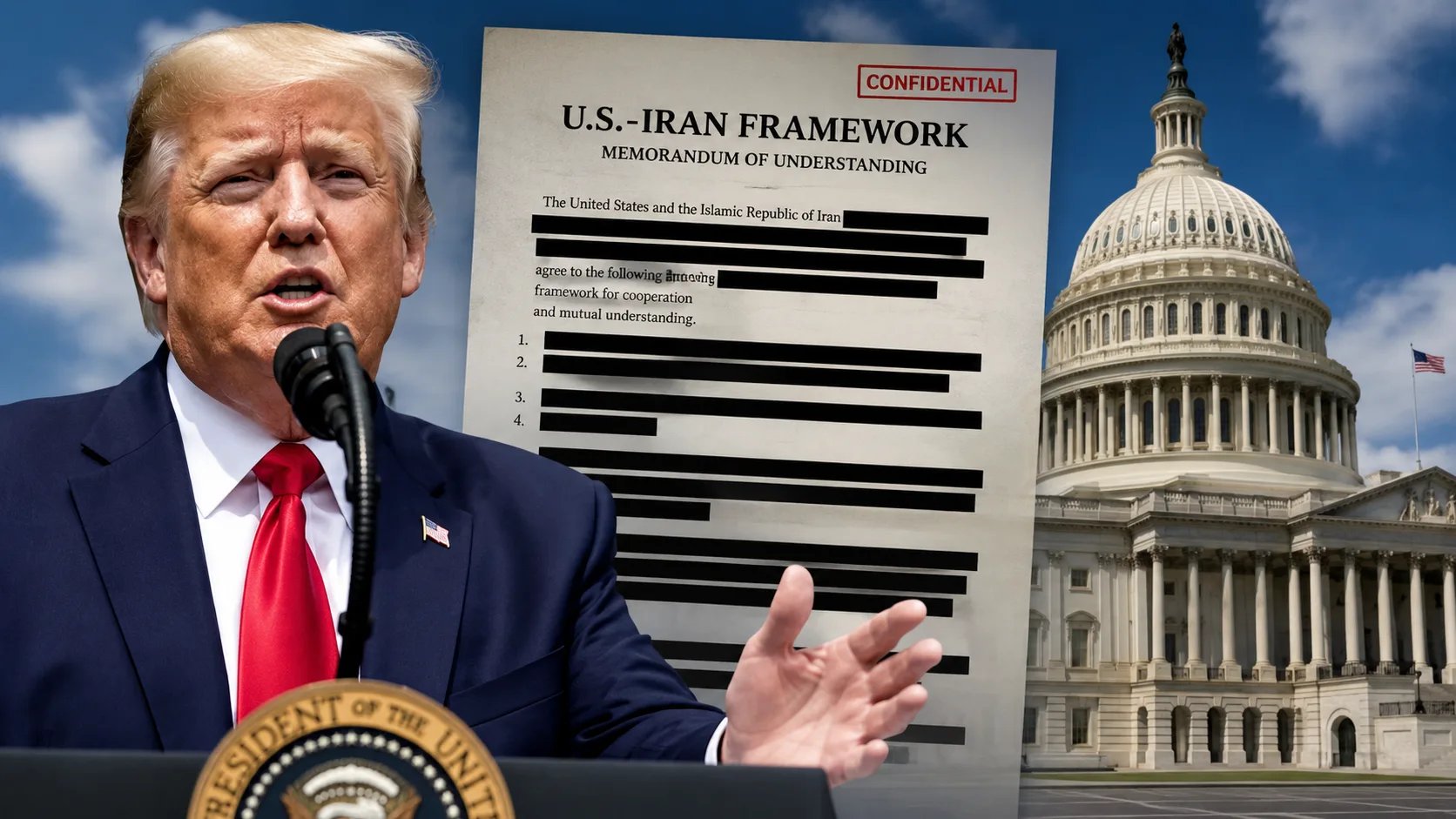
President Donald Trump signaled Tuesday that he may send details of the newly announced U.S.-Iran peace agreement to Congress, a move that could intensify scrutiny of a deal that has already sparked concerns among lawmakers and some of Trump’s closest allies.
The agreement, unveiled Sunday, has been credited with helping calm energy markets and easing fears of a prolonged Middle East conflict. But with key provisions still hidden from public view, pressure is building in Washington for greater transparency before the deal becomes final.
For investors, the next few days could prove critical. The agreement’s success may determine whether oil prices continue falling, inflation pressures ease, and markets maintain the rally that followed news of the ceasefire.
Congress Has Yet to See the Deal
Speaking during the G7 Summit in Évian-les-Bains, France, Trump said he would be willing to share the memorandum of understanding with Congress.
“What I would like to do is send it to Congress and say ‘you shouldn’t approve it.’ And they will approve it,” Trump joked while meeting with United Arab Emirates President Mohammed bin Zayed Al Nahyan.
Despite the significance of the agreement, Senate Majority Leader John Thune said lawmakers had not yet been notified of any congressional briefing.
That lack of communication has fueled growing concerns among both Republicans and Democrats, many of whom argue that Congress should review any agreement involving Iran’s nuclear ambitions.
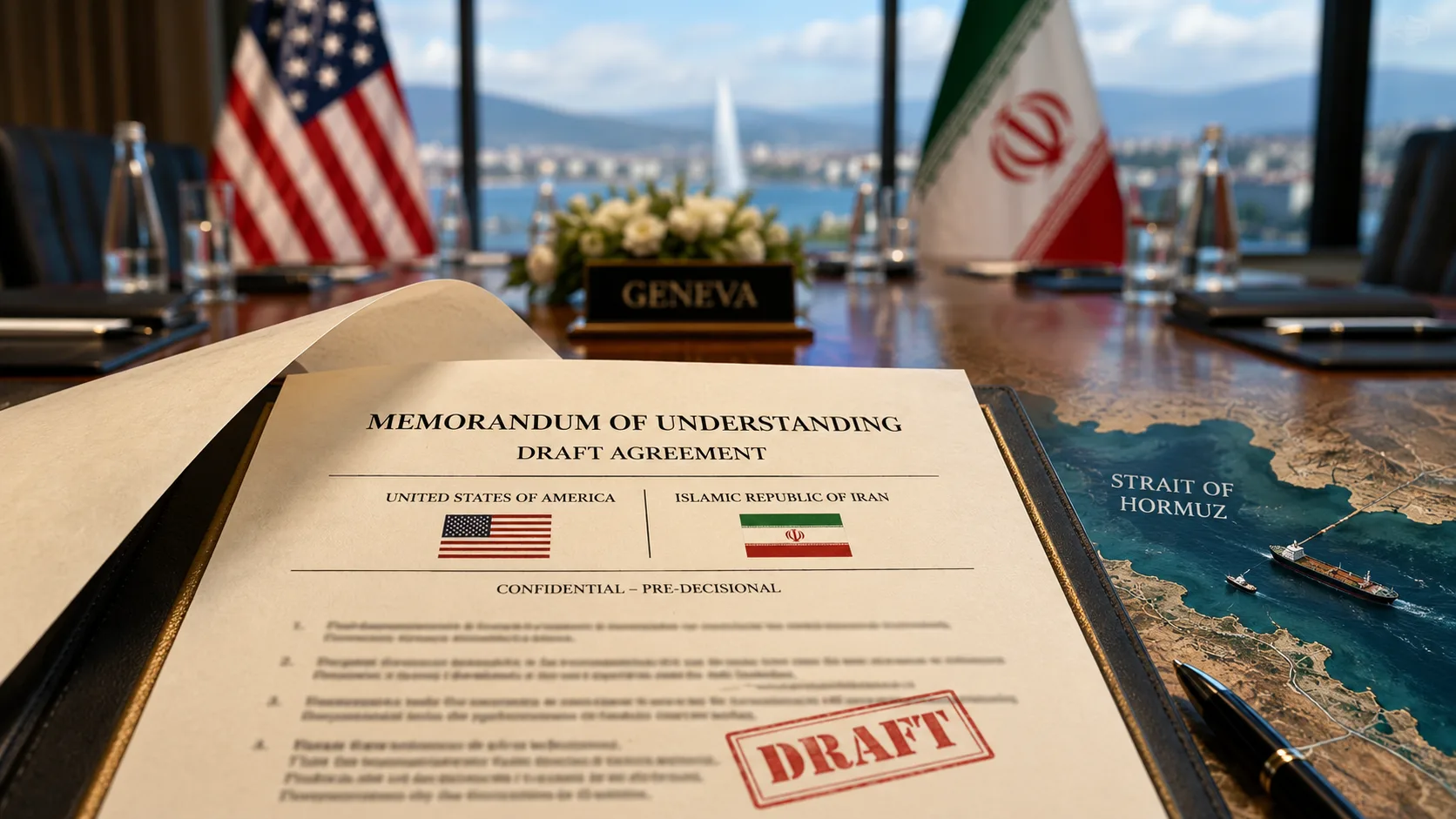
The administration has indicated that additional details will be released Friday, ahead of an official signing ceremony scheduled for Geneva.
What Is Actually in the Iran Deal?
While the full text remains undisclosed, administration officials have outlined two major objectives:
- Extend the current U.S.-Iran ceasefire for 60 days.
- Establish a framework for negotiations over Iran’s nuclear program.
Vice President JD Vance said Monday that significant work remains before a final agreement can be completed.
“There are a lot of very important details to figure out,” Vance said during an appearance on CNBC’s Squawk Box.
According to administration officials, another key component involves reopening the Strait of Hormuz, one of the world’s most important oil shipping routes.
The waterway was effectively shut down during the conflict, disrupting global energy markets and contributing to higher gasoline prices worldwide.
Lindsey Graham Raises Concerns
One of the most notable criticisms came from Sen. Lindsey Graham, one of Trump’s longtime allies.
While Graham praised efforts to reopen the Strait of Hormuz and restore global shipping flows, he warned that conflicting statements from Iran have raised questions about what was actually agreed to.
“I am somewhat concerned that Iran’s view of the agreement seems different than what the American negotiating team is claiming,” Graham wrote on social media.
Graham also reminded the administration that federal law requires Congress to review major nuclear agreements involving Iran.
His comments highlight a growing concern among lawmakers: whether the deal sufficiently prevents Tehran from pursuing nuclear weapons development.
Trump responded to Graham’s criticism with humor.
“I have to talk to Lindsey. He will be in big trouble,” the president said Tuesday.
Why Investors Are Watching Closely
Financial markets reacted positively after the ceasefire announcement.
Oil prices have fallen sharply from recent highs as traders bet that disruptions in Middle Eastern energy supplies may be ending.
Lower oil prices could eventually translate into:
- Lower gasoline prices nationwide.
- Reduced inflation pressure.
- Improved consumer spending.
- Stronger corporate profit margins.
- Increased odds of Federal Reserve rate cuts later this year.
The Strait of Hormuz carries roughly one-fifth of the world’s oil supply, making any disruption a major concern for investors.
Trump claimed Tuesday that shipping traffic was already returning to normal.
“Ships are starting to move now,” Trump said. “Oil is starting to go and prices are coming down rapidly.”
If those trends continue, the economic impact could be substantial heading into the second half of 2026.
The Biggest Unknown Remains Iran’s Nuclear Program
Despite the optimism surrounding lower oil prices and reduced geopolitical tensions, the largest question remains unresolved.
The administration continues to insist that preventing Iran from obtaining a nuclear weapon is a central objective of the agreement.
However, until the full text is released, lawmakers, analysts, and investors have little visibility into how that objective will be enforced.
That uncertainty explains why many members of Congress are demanding a formal review before the agreement moves forward.
The coming days could determine whether the deal becomes a landmark diplomatic achievement or the beginning of another contentious debate over U.S. policy toward Iran.
Markets May Get Their First Real Answers Friday
The administration has indicated that additional details will be released Friday when officials gather in Geneva for the formal signing ceremony.
Until then, investors are left balancing two competing narratives.
One suggests the agreement could reduce geopolitical risk, lower energy prices, and provide a boost to the global economy.
The other warns that unresolved questions about Iran’s nuclear ambitions could create future instability if the framework fails to hold.
For now, markets appear focused on the immediate benefits. But Congress, investors, and America’s allies are all waiting for the same thing: the details.
About Author