Escalating Israel-Iran Conflict Draws Washington Closer to Direct Involvement—Here’s What You Need to Know
The Middle East is on a knife’s edge. Israeli warplanes are pounding Iranian nuclear and military targets. Iran is firing hundreds of missiles in retaliation. And now, the United States—under President Donald Trump—is staring down the possibility of getting pulled into the region’s most dangerous war in decades.
Trump’s Message: “Surrender Now—Or Else”
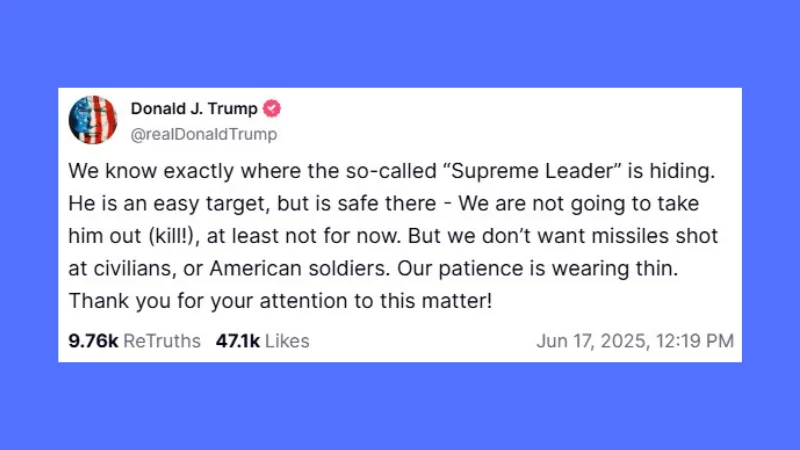
President Trump made waves this week with a blunt social media post that demanded “UNCONDITIONAL SURRENDER” from Iran and warned that U.S. forces have “complete and total control of the skies over Iran.” In a veiled personal threat, Trump added he knows the location of Iran’s supreme leader but has “no plans to kill him—for now.”

While Trump initially distanced the U.S. from Israel’s surprise strike that kicked off the current conflict, that posture has rapidly changed. The president has hinted at deeper involvement, saying he wants “something much bigger” than a ceasefire and has since authorized additional U.S. warships and military aircraft to be deployed to the region.
Military experts believe Trump is calibrating a position just shy of war—ramping up pressure to force a diplomatic breakthrough while keeping the option of a precision strike campaign on the table.
Iran Fires Back: “We Will Not Surrender”
In a rare video address aired on Iranian state TV, Supreme Leader Ayatollah Ali Khamenei issued a defiant warning to Washington.
“The Iranian nation is not one to surrender,” he said. “Americans should know that any military involvement by the U.S. will undoubtedly result in irreparable damage to them.”
Khamenei accused the U.S. of “absurd threats” and rejected outright Trump’s call to halt uranium enrichment. Iran’s ambassador to Geneva echoed that message, insisting the country would continue to produce enriched uranium “for peaceful purposes”—despite the growing risk of a regional nuclear crisis.
This comes after Israeli strikes reportedly targeted two centrifuge facilities near Tehran and multiple missile storage sites in western Iran. Iranian casualties are mounting fast, with the Human Rights Activists group reporting at least 585 deaths, including 239 civilians.
The Military Equation: Can Israel Go It Alone?
Military analysts argue Israel’s current campaign has exposed Iran’s strategic vulnerabilities—but it won’t be enough without U.S. support.
- Israel has struck missile sites, weapons factories, and nuclear R&D centers, but deeply buried facilities like Fordow remain untouched.
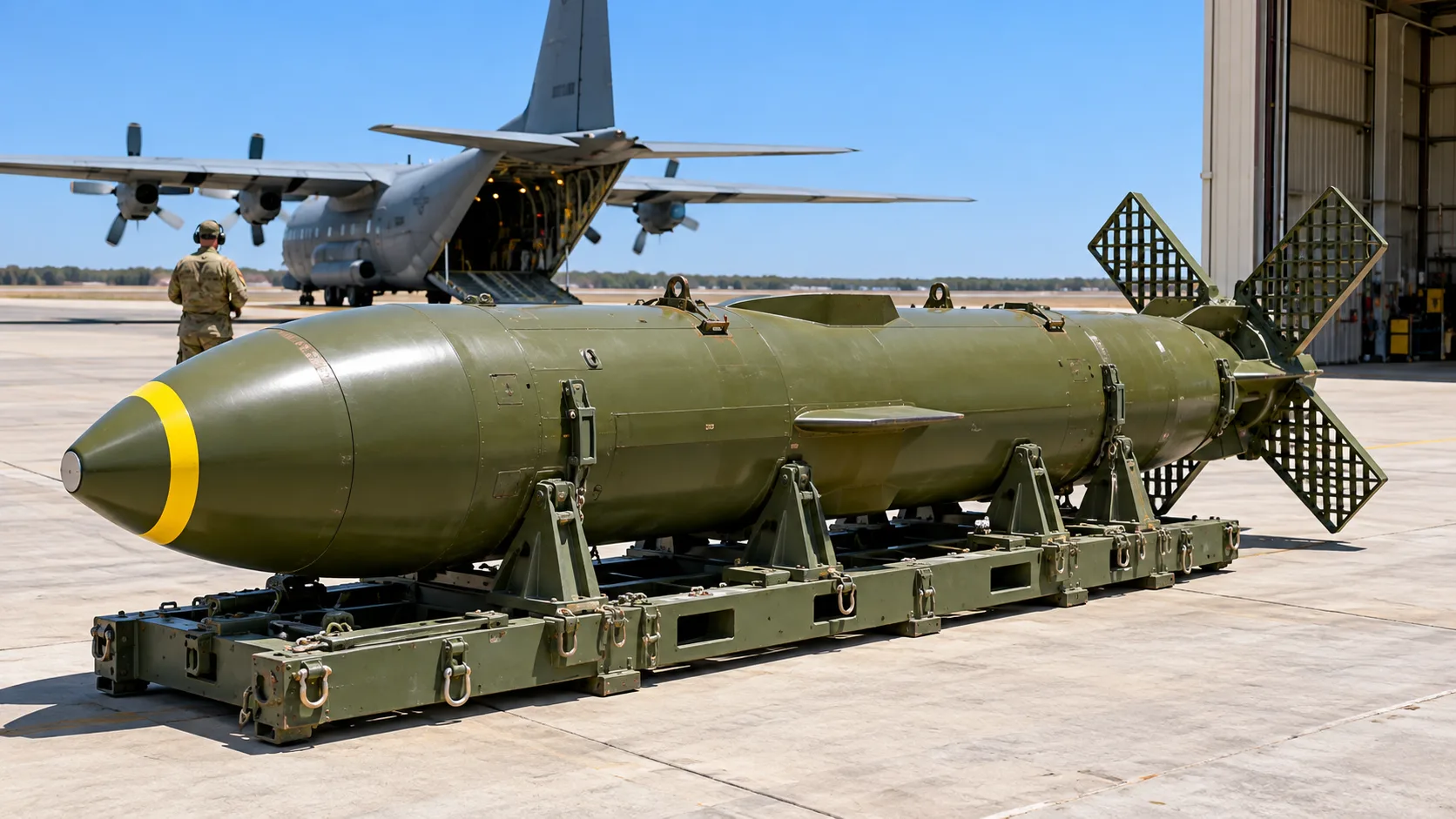
- Only U.S.-made bunker-buster bombs, satellite surveillance, and aerial refueling assets could reliably destroy these targets.
- Experts at Reuters and the New Lines Institute warn that without U.S. involvement, Iran’s nuclear infrastructure may survive—especially if it’s shielded underground.
Meanwhile, the U.S. has thousands of troops in neighboring countries within range of Iranian missiles and drones. One senior Iranian official warned that if the U.S. strikes, “all-out war” is a possibility.
What’s at Stake: Oil Prices, Markets, and Investor Risk
This rapidly escalating conflict is already shaking global markets.
- Oil prices surged nearly 7% this week amid fears of disruptions in the Strait of Hormuz—a chokepoint for 20% of the world’s oil supply.
- Defense stocks like Lockheed Martin and Northrop Grumman are outperforming the broader market as investors anticipate increased Pentagon contracts.
- Airlines and shipping companies are pulling back from routes near Iran, rerouting cargo around the region, and adding fuel hedges to shield against price volatility.
Investors are now bracing for potential cyberattacks, oil tanker seizures, or even an Israeli strike on Iran’s Natanz facility—any of which could trigger a sharp equity sell-off and a rush into safe-haven assets like gold and the U.S. dollar.
Iran’s Missile Decline: Tactical Weakness or Strategic Pause?
Iran has launched over 400 missiles and hundreds of drones into Israel, killing 24 people and damaging civilian infrastructure. But there’s been a noticeable drop in the pace of launches.
- Israeli strikes have targeted launch sites and logistical networks, possibly crippling Iran’s offensive capability.
- Some experts speculate Iran is deliberately slowing its attacks to conserve resources or avoid triggering full U.S. retaliation.
Still, the destruction inside Iran is real. Explosions rocked Tehran’s eastern Hakimiyeh district—home to a Revolutionary Guard academy—just before dawn Wednesday. Commercial districts like the Grand Bazaar are shuttered, and panic is spreading, with traffic jams clogging escape routes out of the capital.
Meanwhile in Israel: Airports Reopen, But Tensions Simmer
Israel reopened Ben Gurion Airport for the first time since the initial missile salvos, allowing two flights from Cyprus to land. Tens of thousands of Israelis had been stranded abroad. While the reopening signals some stabilization, security remains tight, and missile sirens continue to ring out across Tel Aviv and Haifa.
Israel’s military has not commented on the full scope of its operations but claims it’s targeting only sites connected to Iran’s nuclear and missile infrastructure—not civilian areas.
What Happens Next?
With diplomatic channels between Washington and Tehran narrowing, and Trump making increasingly bold statements, several possible scenarios loom:
| Scenario | Likelihood | Market Impact |
|---|---|---|
| U.S. precision airstrikes on Iran | Medium-High | Spike in oil, gold; defense stocks soar; equities drop |
| Iran strikes U.S. troops or bases | Medium | Triggers rapid escalation and possible war |
| Diplomatic freeze, no U.S. strikes | Low-Medium | Prolonged regional volatility, continued sanctions |
| Iran resumes negotiations under pressure | Low | Market stabilization, oil prices ease |
Bottom Line for Investors
President Trump’s hardline rhetoric and rapid military buildup indicate that U.S. involvement in the Iran-Israel war is no longer hypothetical—it’s becoming likely. Iran’s leadership is defiant, civilian casualties are rising, and the world’s most volatile region is inching toward a wider war.
Investors should watch for:
- U.S. military movements in the Gulf.
- Crude oil pricing at key support/resistance levels.
- Earnings calls from defense contractors.
- Any shift in Iran’s enrichment strategy or signs of back-channel diplomacy.
For now, markets remain volatile—but prepared. The real test will come if the next strike lands on U.S. assets—or if Trump gives the go-ahead for something “much bigger.”
About Author