The U.S. Treasury announced Monday a sweeping 60-day sanctions waiver that allows Iran to produce, sell, and receive payment for crude oil, petroleum products, and petrochemicals in U.S. dollars through August 21.
The move follows last week’s memorandum of understanding between Washington and Tehran and comes as negotiators continue working toward a permanent peace agreement.
For investors, the decision carries implications far beyond diplomacy. It could alter global oil supply dynamics, impact energy prices, influence inflation trends, and inject billions of dollars into Iran’s economy almost overnight.
The Biggest Iran Oil Policy Shift in Decades
Under the new authorization, known as General License X, entities and vessels previously restricted by U.S. sanctions can once again participate in transactions involving Iranian energy products.
The waiver effectively reopens Iran’s most important source of revenue.
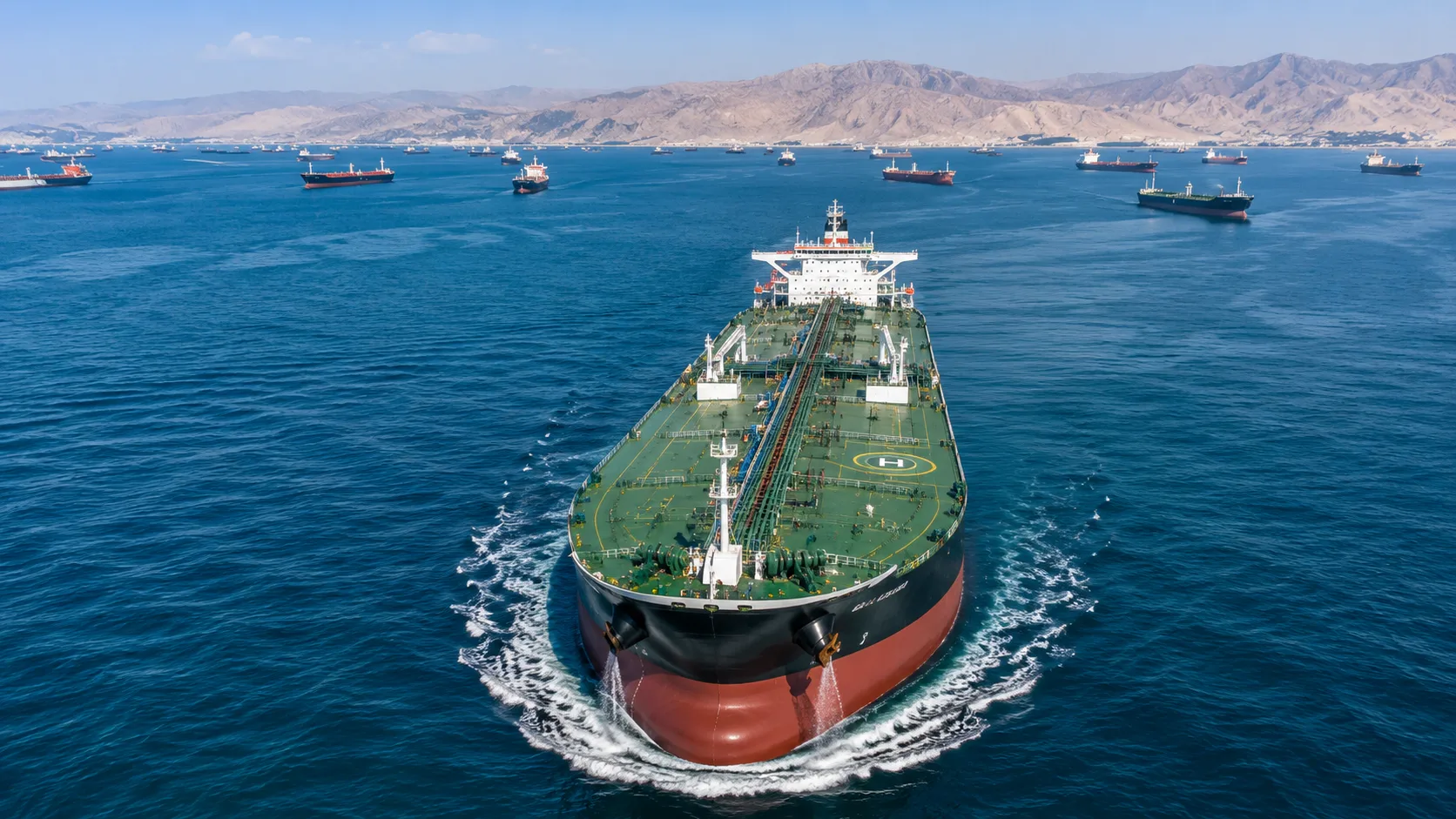
Analysts estimate the policy change could unlock approximately 67 million barrels of Iranian crude currently sitting in floating storage throughout the Persian Gulf.
At current oil prices, that inventory alone could generate between $8 billion and $9 billion in revenue for Tehran.
“Production, sales, dollar payments, petrochemicals and protected shipping — all switched on at once,” said Miad Maleki, a former Treasury sanctions official and current senior fellow at the Foundation for Defense of Democracies.
In practical terms, Iran is being given access to global financial infrastructure that has largely been unavailable for decades.
The ability to conduct transactions directly in U.S. dollars removes one of the largest barriers that previously complicated Iranian oil sales.
Why China Could Become the Biggest Winner
While headlines have focused on Washington and Tehran, many energy analysts believe China may emerge as one of the biggest beneficiaries of the new arrangement.
China already purchases roughly 90% of Iran’s crude exports. Until now, those transactions often required complicated workarounds involving intermediaries, alternative currencies, and opaque banking channels designed to avoid U.S. sanctions.
Those obstacles have suddenly become far less significant.
Analysts expect Chinese state-owned refiners as well as independent “teapot” refiners to aggressively evaluate purchases during the 60-day exemption period.
The timing is notable.
According to JPMorgan, Chinese crude imports fell by an extraordinary 4.8 million barrels per day between February and May, representing one of the steepest declines ever recorded outside of the pandemic.
With dollar-clearing restrictions temporarily lifted, China could use the opportunity to replenish inventories before the waiver expires.
That potential buying surge could create a short-term boost in demand for Iranian crude and help support prices despite increased supply.
What It Means for Oil Prices
At first glance, adding millions of barrels of Iranian oil to the market would appear bearish for crude prices.
The reality may be more complicated.
Iranian crude traditionally trades at a discount to international benchmarks such as Brent because of sanctions-related risks. However, some analysts believe that increased demand from Chinese buyers could narrow that discount or even push certain Iranian grades toward premium pricing.
If China moves aggressively to rebuild inventories while global supply remains relatively tight, the additional barrels may not produce the price pressure many traders initially expect.
Recent export data suggests Iranian shipments are already accelerating.
According to maritime intelligence firm Windward, Iran exported nearly 6.8 million barrels of crude last week, the highest level seen in roughly two months.
That trend could intensify if buyers move quickly to take advantage of the temporary sanctions relief.
Trump’s Bet on Economic Incentives
President Donald Trump defended the sanctions rollback by arguing that oil revenues generated under the agreement would be directed toward economic activity rather than military expansion.
According to Trump, the expectation is that increased Iranian oil revenue will be used to purchase American agricultural products and support broader economic normalization efforts.
Supporters of the strategy argue that economic integration can create incentives for long-term stability and encourage continued cooperation during negotiations.
Critics, however, question whether the influx of billions of dollars can realistically be separated from the broader interests of the Iranian government.
That debate is likely to intensify if negotiations advance toward a permanent agreement.
The Market Is Watching What Happens Next
For investors, the next 60 days could prove critical.
If the temporary waiver evolves into a broader long-term framework, Iran could permanently regain access to portions of the global energy market that have been effectively closed for decades.
That outcome could influence everything from oil prices and inflation expectations to energy sector earnings and geopolitical risk premiums.
Meanwhile, Iran appears positioned to capitalize on the opening.
Analysts expect the country to use the temporary relief period to repair oil infrastructure damaged during recent conflicts, secure longer-term supply agreements with Chinese buyers, and maximize exports while restrictions remain relaxed.
Whether the sanctions relief becomes the foundation of a lasting peace agreement or merely a temporary pause remains uncertain.
What is clear is that Washington’s decision has already changed the energy landscape and could inject billions into one of the world’s most heavily sanctioned economies.
For investors tracking oil, inflation, and geopolitical risk, this is a development worth watching closely.
About Author