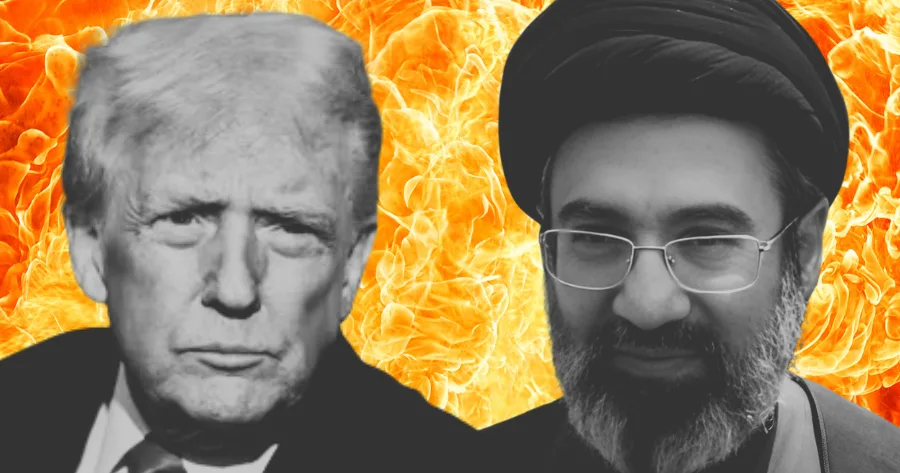
Iran says it has received an official U.S. response to its latest proposal to end the seven-month war, a potentially important development for oil markets and the future of the Strait of Hormuz.
The contents of Washington’s response have not been disclosed, and Iranian officials have not said whether the United States accepted, rejected or countered Tehran’s proposal. Still, the confirmation suggests negotiations remain active despite President Donald Trump publicly dismissing Iran’s offer days earlier.
The Talks Are Still Alive
Iranian Foreign Minister Abbas Araghchi presented the U.S. response to President Masoud Pezeshkian during a Cabinet meeting Wednesday following his return from the United Nations General Assembly in New York.
During the trip, Araghchi participated in indirect discussions involving U.S. officials and mediators from Qatar and Pakistan. Iran has proposed reopening the Strait of Hormuz within a week if Washington agrees to several conditions, including easing restrictions on Iranian oil exports, releasing frozen Iranian assets and lifting the U.S. blockade of Iranian ports.
Trump publicly rejected the proposal, saying its terms were unacceptable. Mediators continued discussions afterward, however, indicating the public rejection did not completely shut down negotiations.
Pezeshkian said Wednesday that Iran would continue trying to reach an agreement while defending what he described as the rights of the Iranian people.
Washington Is Increasing Economic Pressure at the Same Time
The Trump administration is continuing to tighten sanctions while negotiations proceed.
On Tuesday, the Treasury Department sanctioned 10 individuals and entities in Iran, Hong Kong and Pakistan that it says helped procure weapons and components for Iran’s Ministry of Defense and Armed Forces Logistics. The measures are part of the administration’s “Operation Economic Outcast” campaign targeting financial and procurement networks supporting Iran’s military.
That creates a two-track strategy: negotiations remain open while Washington continues increasing the economic cost of prolonging the conflict.
Iran’s position is becoming increasingly difficult. The rial fell to a record low this week, with Tehran traders exchanging more than 2.5 million rials per U.S. dollar, according to reporting from the Associated Press.
Seven months of war, sanctions and the U.S. blockade have also contributed to rising prices and shortages inside Iran, including sharp increases in the cost of some medicines.
Economic Pressure May Be Driving the Negotiations
The obvious interpretation is that Iran wants sanctions relief and an end to the blockade because its economy is weakening.
There is another important consideration for investors: economic pressure can create incentives for compromise while simultaneously increasing political instability.
Iran has already experienced significant unrest tied partly to deteriorating economic conditions. Iranian authorities executed two men Wednesday over their alleged involvement in violence during nationwide anti-government protests earlier this year, while rights groups and Iranian authorities continue to report sharply different figures for casualties from the crackdown.
That means investors should watch Iran’s domestic economy alongside the military conflict. A rapidly weakening currency, shortages and rising unemployment could increase Tehran’s motivation to negotiate, while worsening internal pressure could also make an agreement politically harder to accept.
The Bigger Market Story
The fact that Washington delivered an official response after Trump publicly rejected Iran’s proposal is significant because it shows diplomacy has continued beneath the public rhetoric.
That does not establish that an agreement is close. Major disputes remain over sanctions, Iran’s nuclear activities, regional security and the terms under which Hormuz would reopen.
For markets, however, a comprehensive peace agreement may not be necessary to create a meaningful reaction.
A limited arrangement that restores reliable passage through the Strait of Hormuz could alter expectations for oil supply, inflation, transportation costs and ultimately interest rates. That makes the next phase of these negotiations worth watching even if the broader U.S.-Iran conflict remains unresolved.
The Bottom Line
Iran says Washington has formally responded to its latest peace proposal, confirming that negotiations remain active despite Trump’s public rejection of Tehran’s initial terms.
The key issue for investors is increasingly straightforward: watch Hormuz. If diplomacy produces a credible path toward reopening one of the world’s most important energy corridors, the financial effects could reach far beyond Iran and the Middle East.
About Author