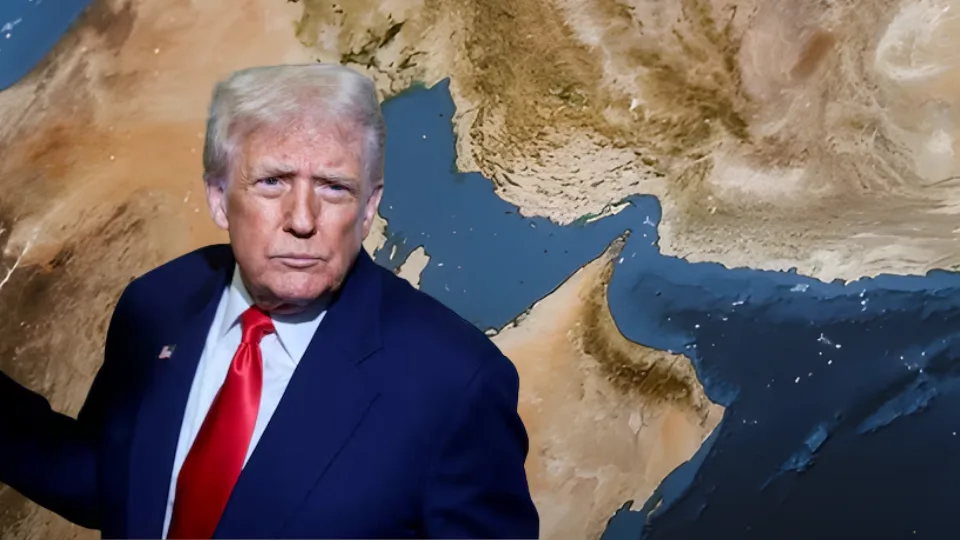
Tensions between the United States and Iran are entering a critical phase, with Vice President JD Vance heading to high-stakes negotiations in Islamabad and delivering a blunt message to Tehran: cooperation is on the table, but gamesmanship will not be tolerated.
As global markets watch closely, the outcome of these talks could have immediate consequences for oil prices, shipping routes, defense stocks, and broader investor sentiment.
A Diplomatic Opening With a Clear Warning
Speaking before departing for talks, Vance signaled that the United States remains open to diplomacy, stating that Washington is “willing to extend the open hand.” At the same time, he made it clear that Iran should not attempt to manipulate negotiations or stall for leverage.
That combination of openness and warning reflects the current posture of the Trump administration, which is attempting to balance de-escalation with firm deterrence.
At the center of the talks is a critical global chokepoint: the Strait of Hormuz.
Cease-Fire Holding For Now, But Fragile
The latest developments come amid a fragile cease-fire between the U.S. and Iran that appears to be holding, at least temporarily.
However, the situation is far from stable.
President Trump has already indicated that military action could resume if negotiations break down or if Iran fails to meet expectations. That puts a clear deadline pressure on the talks in Pakistan.
Meanwhile, Iran’s participation in the negotiations remains uncertain. Officials in Tehran have publicly suggested their attendance depends on developments in neighboring conflicts, particularly in Lebanon.
The Israel-Lebanon Factor Complicates Everything
The geopolitical picture becomes even more complex when factoring in Israel’s ongoing operations against Hezbollah.
Israel has signaled that it will begin direct negotiations with Lebanon aimed at achieving a truce. At the same time, it has made clear that military operations against Hezbollah will continue.
Here is where the conflict lines blur:
- The U.S. and Israel say the Iran cease-fire does not include Hezbollah
- Iran claims the cease-fire should cover all affiliated groups
- Hezbollah continues to operate as a proxy force
This disagreement introduces a major wildcard into the negotiations.
If fighting escalates in Lebanon, it could derail U.S.-Iran diplomacy entirely.
Why This Matters for Investors Right Now
This is not just a geopolitical story. It is a market-moving event with direct implications across multiple sectors.
1. Energy Markets Are on Edge
Any instability in the Strait of Hormuz could send crude oil sharply higher. Even the threat of disruption tends to push prices up as traders price in risk.
Energy producers and oil service companies often benefit in these scenarios, while airlines and transportation stocks take a hit.
2. Defense Stocks Could See Renewed Momentum
If negotiations fail and tensions escalate, defense contractors typically see increased demand expectations. Investors often rotate into these names during periods of geopolitical uncertainty.
3. Inflation Risks Could Reignite
Higher oil prices feed directly into inflation. That could complicate interest rate policy and delay any potential rate cuts the market has been anticipating.
4. Global Shipping and Trade Could Be Disrupted
Shipping lanes through Hormuz are critical not just for oil, but for broader trade flows. Disruptions could increase costs across supply chains, impacting everything from manufacturing to consumer goods.
A High-Stakes Negotiation With Global Consequences
The upcoming talks in Islamabad represent more than just another round of diplomacy. They are a test of whether the U.S. and Iran can stabilize a situation that has the potential to spiral quickly.
Vice President Vance’s warning not to “try to play us” underscores the stakes. The U.S. is signaling that while it is open to negotiation, it is not willing to tolerate delays or strategic maneuvering that prolong uncertainty.
For Iran, the calculus is equally complex. Economic pressure, regional influence, and internal political dynamics all play a role in how it approaches these talks.
For investors, the key takeaway is simple: this situation has the potential to move markets fast.
What to Watch Next
Heading into the weekend negotiations, several key signals will matter:
- Whether Iran formally commits to attending talks in Islamabad
- Any announcements regarding shipping activity in the Strait of Hormuz
- Developments in the Israel-Hezbollah conflict
- Statements from President Trump following the talks
- Movement in oil prices and energy equities
Markets will react quickly to any headlines.
Bottom Line for Investors
This is one of those moments where geopolitics and markets collide in real time.
If diplomacy holds, markets could stabilize and energy prices may ease. If talks break down, expect volatility to spike, with oil, defense, and safe-haven assets leading the move.
Either way, this is not a situation investors can afford to ignore.
About Author